
Reviewed · BIOLUMINESCENCE TOURS
Bioluminescence Experience in Holbox
The best part of this Holbox night tour is the moment you move your hands through dark water and tiny plankton spark around them. The glow is real but brief, more like scattered blue or green sparks than the solid neon water shown in polished videos. A clear, moonless sky can add a second show, with guides such as Alex and Javier pointing out constellations, planets, and even the Milky Way.
I like the hotel pickup and complete equipment, especially the long wetsuit, water shoes, mosquito mask, and clean snorkeling gear. I also like the small-group feel and the guide’s close attention, with explanations about plankton and the night sky in English and, when available, Spanish. The main drawback is that this is a wet, muddy, buggy outing at night, and the glow depends heavily on weather, water conditions, and the lunar cycle.
In This Review
- Key points to know before booking
- When Holbox water turns into a star field
- The day starts with gear at your accommodation
- A buggy ride through Holbox after dark
- Stargazing before the water
- Walking into shallow water at Punta Coco
- Making the plankton glow
- Group size, guide style, and comfort
- What to bring and what to leave behind
- Is the tour good value?
- Who should book this Holbox night tour?
- Should you book it?
- FAQ
- Where does the bioluminescence experience take place?
- How long does the activity last?
- What time does pickup begin?
- Is hotel pickup included?
- What equipment is provided?
- Can children participate?
- What happens if there is no bioluminescence?
Key points to know before booking
- The moon controls the schedule: The departure time may change, sometimes to around 3 a.m., and the activity cannot operate on a full-moon night.
- The water is shallow: Expect sea or mangrove water around 1 meter deep, with walking and snorkeling rather than a long swim.
- Alex adds stargazing: His laser-pointer talks can include constellations, planets, star formations, and occasional sights such as Starlink satellites.
- Mosquito protection matters: The supplied wetsuit helps, but you should still apply repellent, especially during the walk and while waiting.
- Pickup is only within Holbox: A buggy collects you at your accommodation, but no transport is offered outside Isla Holbox.
- The glow cannot be guaranteed: If the plankton does not appear, you can reschedule or receive a refund under the operator’s conditions.
When Holbox water turns into a star field
Bioluminescence is caused by tiny marine organisms that emit light when disturbed. In practical terms, you make the show happen: wave a hand, swish a foot, or move through the water and watch little points of light flicker around you.
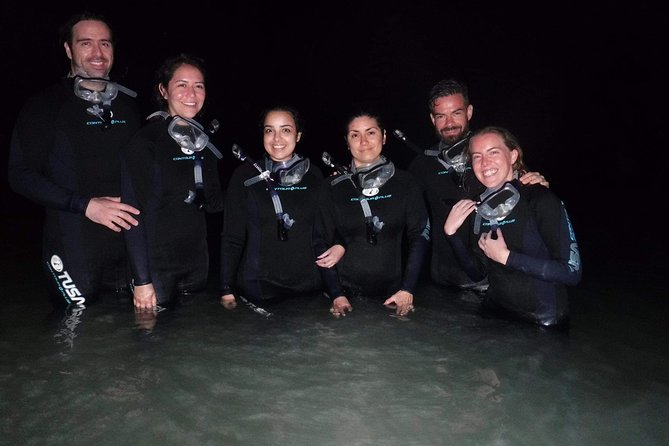
That makes this different from simply looking at a glowing bay from a boat. You are part of the display, standing or snorkeling in water roughly 1 meter deep while the guide explains what you are seeing. At its best, fish moving through the glow add another layer to the scene.
Set your expectations sensibly. The light may be strong enough to catch immediately on your first step, but it may also be faint. One especially useful point from the experience is that the phenomenon is hard to capture in a phone photo. You will probably remember the sensation better than any picture.
The season, moon, clouds, and water conditions all matter. Summer is considered a strong period, but the glow has also appeared in December. A new moon or very dark night gives you the best chance of seeing it clearly. A moon only a few days past full can wash out the effect, even when the plankton is present.
Other Isla Holbox days travellers weigh against this one:
- Holbox: Yum Balam Reserve Classic Boat Tour
★ 4.7 · 470 reviews - From Cancún: Rio Lagartos & Las Coloradas Day Trip & Lunch
★ 4.6 · 451 reviews - From Riviera Maya: Holbox Full-Day Tour with Lunch
★ 4.3 · 322 reviews
The day starts with gear at your accommodation
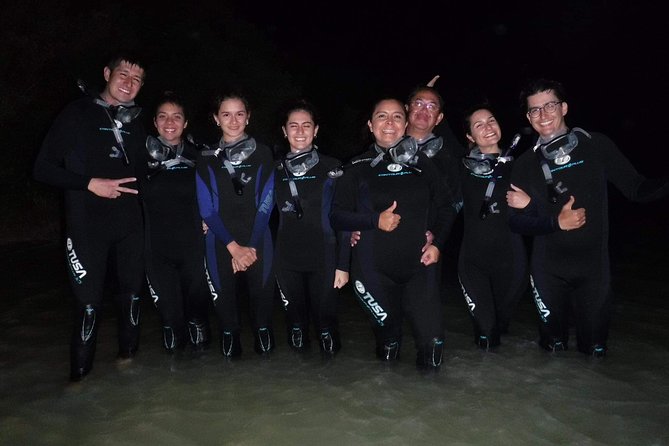
On the day of the activity, the operator distributes the equipment at your place of stay in Holbox. You are expected to put it on before the guide arrives. That usually means wearing your swimsuit underneath and getting into the long wetsuit, water shoes, and mosquito protection before leaving.
This arrangement saves time at the meeting point, but it also has a practical downside: you may spend part of the pickup and transfer already dressed for the water. Bring as little as possible. The instructions specifically warn against valuables, and phones may need to remain behind during the water portion.
The equipment package includes:
- Long wetsuit
- Snorkeling mask and snorkel
- Special water shoes
- Mosquito mask
- Other snorkeling equipment needed for the activity
The wetsuit is not only for warmth. Several people found it useful as a barrier against mosquitoes, which can be thick near still mangrove water. It will not replace insect repellent, though. Apply spray before putting on the suit, and carry repellent if the operator allows it.
A buggy ride through Holbox after dark
Pickup is listed for 10 p.m., but the actual time is confirmed the day before. This is not a fixed evening show. The operator adjusts the departure around the moon, so your outing could run much later than expected. One family’s start shifted to about 3 a.m. to avoid a near-full moon.
That odd timing can make the night feel special, but it can also disrupt your plans. Do not schedule an early ferry, airport transfer, or demanding excursion the next morning. The experience itself is described as about 1 hour 30 minutes in the tour summary, while the activity details allow close to two hours for the night snorkeling. Add pickup, equipment preparation, and the return ride when planning your evening.
The buggy ride is part of the character of the outing. You leave your accommodation with the guide and travel toward the chosen site, often around Punta Coco. Roads and streets can be difficult after heavy rain, so delays are possible. The operator has also moved the group to another location when the first spot had too little visible plankton.
Stargazing before the water
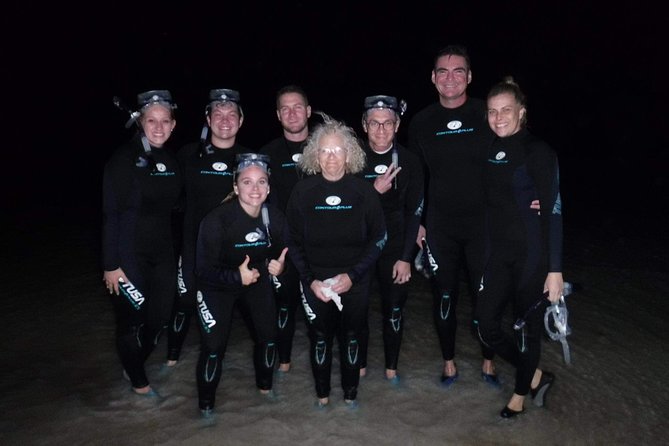
At the site, the guide explains safety points and the correct way to carry out the activity. The group may then spend time looking upward before entering the water. Alex is particularly praised for using a laser pointer to identify constellations, planets, and star formations. Some nights have included views of Jupiter, Venus, the Milky Way, and Starlink satellites.
This is an important part of the experience because it gives you something worthwhile even while the water conditions are being checked. It also explains why the tour may take longer than a quick walk to the shoreline, especially if the guide spends 20 or 30 minutes on the sky.
If you booked only to see plankton, you may find the astronomy talk longer than expected. If you enjoy learning the night sky, it becomes a strong bonus. Alex has led the activity in English and Spanish, and the supplied information lists the experience as offered in English. Ask when booking if bilingual guiding matters to you.
A different kind of day out, same stretch of Mexico:
- Kayak Mangroves Sunrise Experience
★ 5.0 · 207 reviews - Bioluminescence Tour in Kayak in Holbox Island
★ 4.5 · 165 reviews - Holbox: Guided Bioluminescence Kayaking Tour
★ 4.4 · 143 reviews - Holbox: Guided Sunrise/Sunset Kayak Tour by Mangrove Reserve
★ 4.5 · 127 reviews
Walking into shallow water at Punta Coco
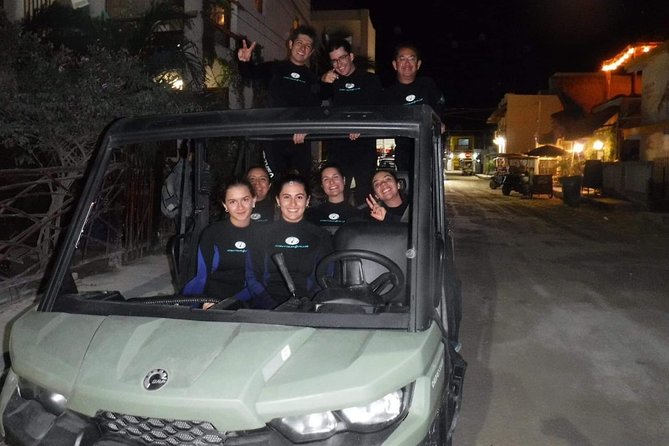
The exact site can be sea or mangrove water around Holbox Island. Some outings use a short walk through dark mangroves to reach a quiet lagoon near Punta Coco. One account describes a walk of about 5 to 10 minutes, while another reports a longer route of roughly 1 kilometer.
Expect uneven ground, mud, roots, and low light. The guide accompanies the group, but you should move carefully and wear the supplied water shoes. A flashlight may not be used during some parts because artificial light makes stargazing harder. That policy is understandable for viewing stars, but it can feel uncomfortable on the return walk, particularly for children or anyone uneasy in dark mangrove areas.
This is where the tour’s polished magic meets real nature. You may get mosquito bites. You may step into muck. The supplied wetsuit and mosquito mask reduce the problem, but they do not remove it. Apply repellent and wear the gear as instructed.
There is also a safety concern raised by one unhappy participant about the remote lagoon setting and crocodiles. The supplied information does not establish that crocodiles are present at this tour site, nor does it provide a separate wildlife briefing beyond general precautions. If that possibility worries you, ask the operator exactly where the group will enter the water and what safety measures are in place before you go.
Making the plankton glow
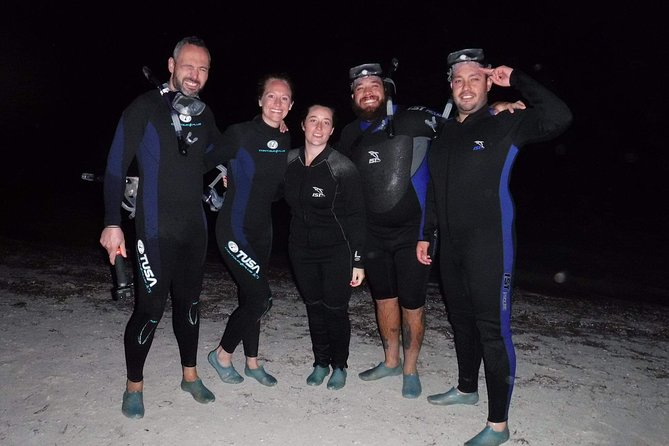
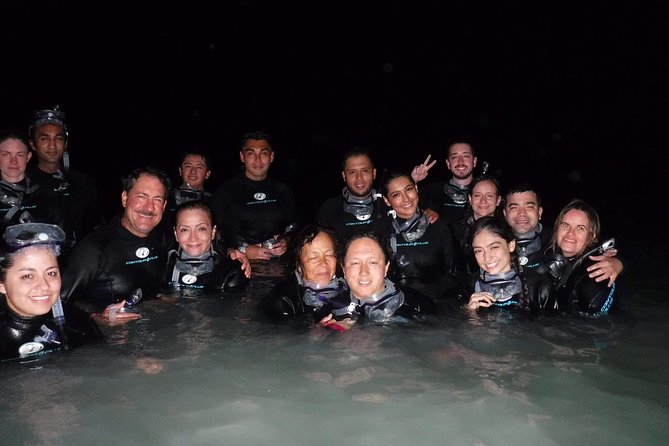
Once everyone is ready, the guide leads the group into the sea or lagoon. The water is shallow, around waist height for many adults, and the guide remains with you. You may use masks and snorkels to look below the surface as you move your hands and feet.
The first movement is often the most memorable. A hand sweep can produce tiny green or blue flashes. The color and strength vary, and you should not expect a continuous glow. Some nights produce an immediate response around your legs, while other nights require a move to a better site.
The guide’s explanation adds value here. You learn why motion triggers the light and how the organisms behave, instead of simply splashing in the dark without context. One creative demonstration involved using a T-shirt to collect some plankton briefly for a closer look.
The activity is not a long-distance snorkeling trip. You stay in shallow water for the display, with the guide keeping an eye on the group. Most people seem to get the main idea after a few minutes, so the value comes from the full evening: transport, sky watching, equipment, instruction, and the chance to see conditions at more than one location if needed.
Group size, guide style, and comfort
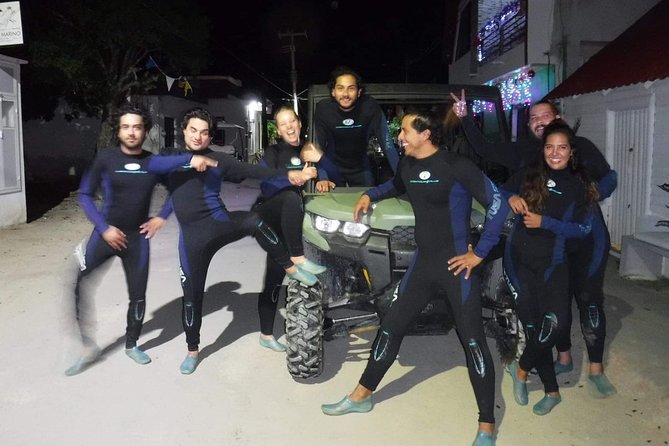
The maximum group size is 24 people. That is not a tiny private outing, but it is small enough for a guide to explain the activity and help with equipment. The tour also operates with very small numbers when cancellations occur. On one occasion, Alex continued with just a couple rather than canceling.
Guide quality is a major part of this experience. Alex is the name most often associated with the outing, while Javier and Alan have also led trips. The strongest aspect is their mix of humor, astronomy, and plankton explanations. Families with children and teenagers have found the guides attentive, and the age range has included children as young as 9.
Still, guide style can vary. Some people may enjoy jokes and an extended astronomy lesson, while others may want a faster route to the water. Communication about safety and wildlife concerns should be direct and reassuring. If you are nervous about darkness, insects, mud, or open water, say so clearly before entering the site.
The activity is described as suitable for most participants. You should still be comfortable walking in uneven ground and entering shallow water at night. The information provided does not specify a formal accessibility plan, so ask ahead if you need mobility support or have a serious concern about the walk.
What to bring and what to leave behind
You will get the main equipment, but a few personal choices can make the night easier.
- Wear a swimsuit under the wetsuit.
- Use strong mosquito repellent before pickup.
- Bring only essentials, with cash for a tip if you wish.
- Leave valuables behind.
- Do not count on using your phone for photos.
- Follow the guide’s instructions about lights and personal items.
A towel is not listed as necessary by the operator, and one practical suggestion is to leave it behind. If you dislike returning damp, ask your accommodation about its policy rather than assuming you can use hotel linen.
The experience is best treated as a memory-making outing, not a photo stop. Darkness helps the plankton show, but it makes photography difficult. Bright screens and flashlights also work against the night-sky portion.
Is the tour good value?
No price is provided here, so I cannot judge the exact cost in pesos or compare it fairly with another operator. I can judge what you receive: transport within Holbox, equipment, a certified SECTUR guide, a moon-adjusted schedule, stargazing, and a refund or rescheduling option if the glow does not appear.
That package has real value if you want a guided experience and do not want to arrange a taxi, find the shoreline in the dark, rent gear, or decide where conditions are best. The guide may also move the group if the first site is weak, something you would not necessarily know to do on your own.
A self-guided visit to Punta Coco may cost less and give you more control over timing. It also leaves you to manage transport, darkness, insects, equipment, and the question of where it is appropriate to enter the water. A different operator using a dock farther into the water may offer more wind and fewer mosquitoes, but this experience does not promise that setup.
I would compare the quoted price with the cost of transport and equipment rental, then decide how much you value a guide who can explain the stars and find a better location. The refund policy for missing bioluminescence also reduces the risk, though ordinary cancellations within 24 hours are not refundable.
Who should book this Holbox night tour?
I would choose it for couples, families with older children, and anyone who enjoys quiet nature experiences more than polished entertainment. It also suits you if you want astronomy included and prefer to be collected from your accommodation.
You should think twice if mosquitoes ruin your evening, if you dislike mud, or if you need a strict bedtime. The late schedule can be especially awkward when the moon forces a start after midnight. You should also avoid booking on a full-moon night, and remember that weather can cancel the activity.
The strongest conditions are a dark moon, clear weather, and realistic expectations. You are not guaranteed a glowing blue sea. You are getting a chance to see a natural reaction in shallow water, guided by someone who can explain it and, when needed, search for a better location.
Should you book it?
Book this experience if you want the full Holbox night: a buggy ride, startling stars, a short walk into quiet water, and plankton that flashes when you move. Alex, Javier, and Alan have all added value through astronomy and clear explanations, and the included wetsuit is useful against both water and mosquitoes.
Skip it if you want a quick, dry, highly predictable activity or if you are uncomfortable in remote mangrove areas after dark. For the best chance, request a date near the new moon, confirm the actual start time the day before, use mosquito repellent, and ask where the group will enter the water. With those details understood, this can be one of Holbox’s most unusual evening experiences.
FAQ
Where does the bioluminescence experience take place?
It takes place around Holbox Island, in the sea or mangrove water. Punta Coco is one location used during the activity, and the guide may choose another site if conditions are better there.
How long does the activity last?
The tour summary gives an approximate duration of 1 hour 30 minutes. The activity details describe night snorkeling for about two hours, so you should allow extra time for pickup, equipment, and the return to your accommodation.
What time does pickup begin?
The listed start time is 10 p.m., but the schedule changes with the lunar cycle. The operator confirms the actual time with you the day before, and some outings may begin around 3 a.m.
Is hotel pickup included?
Pickup and return are available from places of stay within Holbox Island. Transportation outside Isla Holbox is not offered.
What equipment is provided?
The activity provides snorkeling equipment, a long wetsuit, mosquito mask, special water shoes, and a professional snorkeling mask. Equipment is distributed at your accommodation during the day of the reservation.
Can children participate?
Most participants can take part, and families with children and teenagers have joined the activity. The provided information does not give a specific minimum age, so confirm age suitability with the operator before booking.
What happens if there is no bioluminescence?
If the bioluminescence does not appear, you can reschedule the activity or receive a refund. Weather can also cancel the experience, in which case you are offered a different date or a full refund.
Recently reviewed around Isla Holbox
- Private Ría Lagartos Boat Tour: Flamingos & Crocodiles★ 4.9 · 84 reviews
- Río Lagartos and Las Coloradas: Wildlife Natural Experience★ 4.8 · 88 reviews
- Rio Lagartos and Las Coloradas: Safari Flamingo Luxury★ 4.9 · 90 reviews
- Holbox: Mangrove Sunset Kayak Tour★ 4.6 · 79 reviews
- Holbox: Stars and Bioluminescent Marine Life Kayaking Tour★ 4.2 · 111 reviews
- Holbox: Bioluminescence by Kayak and Stargazing.★ 4.6 · 95 reviews
- Holbox: Punta Mosquitos, Yalahau, & Pasión Island Boat Tour★ 4.0 · 34 reviews
- Group horseback ride on Holbox Island, Quintana Roo★ 4.7 · 70 reviews
Bioluminescence Tours, compared.
Bioluminescence by kayak or SUP to Los Arcos Puerto Vallarta
Read our review →
Bioluminescence & sunset local boat tour to Los Arcos Sanctuary
Read our review →
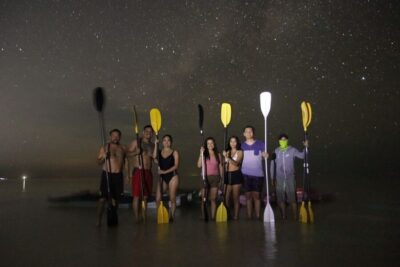
Holbox: Stars and Bioluminescent Marine Life Kayaking Tour
Read our review →
Mismaloya: Los Arcos Bioluminescent Waters Kayak & Cave Tour
Read our review →
Holbox: Bioluminescence by Kayak and Stargazing.
Read our review →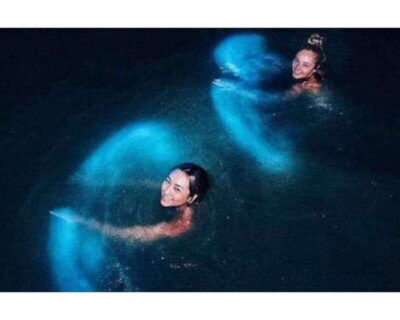
Browse the lists this tour appears in