
Reviewed · HIKING & TREKKING
From Mexico City: Hike Iztaccihuatl Volcano with an Alpinist
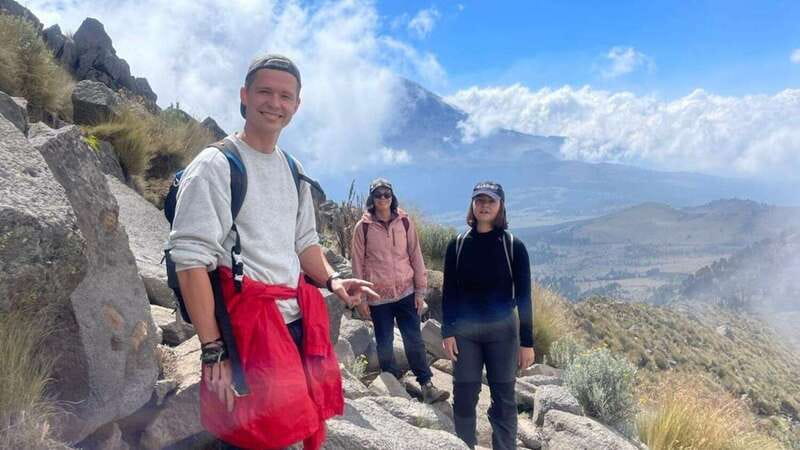
Iztaccíhuatl is not a gentle city escape. You leave Mexico City before sunrise, climb by van into Popocatépetl-Iztaccíhuatl National Park, then walk steep, loose ground at roughly 4,000 to 4,270 meters. The reward is a huge view of two famous volcanoes and the Valley of Mexico.
I like the spectacular volcano scenery and the fact that an alpinist guide sets the pace and explains the area. I also like that you can reach serious mountain altitude without committing to a full summit climb, which would require more time, gear, and experience.
The catch is altitude. Even a fit person may find the thin air hard, and the route is not a casual stroll. The van ride can also feel crowded on a full departure, and food and hiking equipment are not included.
In This Review
- Key points before you book
- Why Iztaccíhuatl is worth the early start
- The 105-minute drive to Paso de Cortés
- La Joya marks the start of the real climb
- Three hours of volcanic terrain and wide views
- What the altitude feels like at 4,000 meters
- The return to La Joya and Paso de Cortés
- Is $168 a fair price?
- Who should book this Iztaccíhuatl hike?
- Practical ways to make the day better
- Should you book it?
- FAQ
- How long does the Iztaccíhuatl volcano tour take?
- Where do I meet the guide?
- How far and how high is the hike?
- Is this a climb to the top of Iztaccíhuatl?
- What languages are available?
- What should I bring?
Key points before you book
- High-altitude hiking: You climb from La Joya toward a route point that may reach roughly 4,270 meters, with some past departures reporting a higher gate around 4,500 meters.
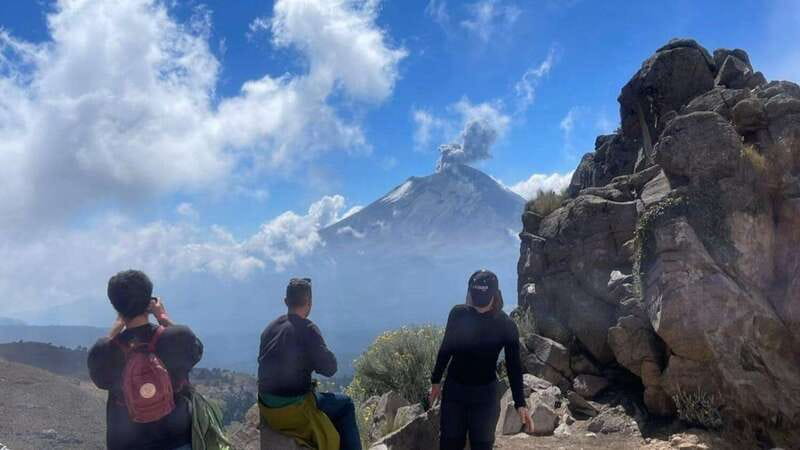
- Two great volcano views: Paso de Cortés gives you an early look at Popocatépetl and Iztaccíhuatl before the hike begins.
- About 5 to 7 kilometers: The walking portion takes around three hours, including pauses, though the exact distance and high point can vary with group ability and conditions.
- Guides make the difference: Fabrizio, Gerson, Ivan, Sergio, and Leonardo have each led well-regarded departures, with English and Spanish available.
- Not a summit expedition: This is a mountain hike on the shoulder of Iztaccíhuatl, not a climb to the volcano’s highest point.
- Long day from Mexico City: Plan on about 11 hours, with roughly three and a half hours of driving each way.
Why Iztaccíhuatl is worth the early start
Mexico City sits at high altitude, but Iztaccíhuatl takes you much higher. The city’s streets and museums give way to pine-covered mountain country, volcanic slopes, open views, and crisp air that feels far removed from the capital.
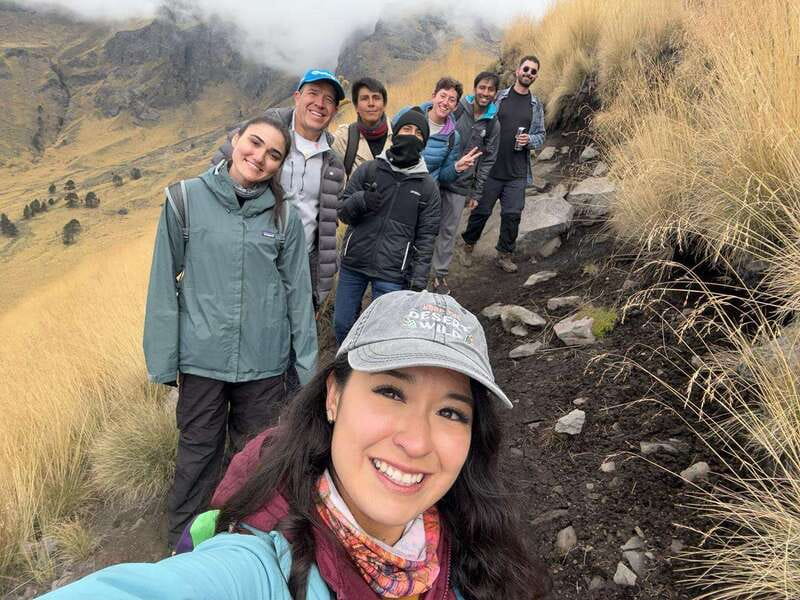
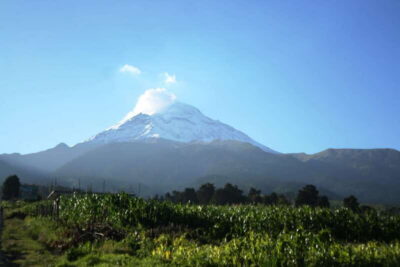
The two volcanoes are the main event. Popocatépetl is an active volcano, while Iztaccíhuatl has the long, recognizable outline that has earned it the nickname La Mujer Dormida, or the Sleeping Woman. From the park, you can often see both together, a pairing that gives the day its visual punch.
I love that this trip does not pretend to be a full mountaineering expedition. You get a real taste of high-altitude hiking and mountain terrain, but the goal is set below the summit. For many people, that is the sensible choice: you experience the setting without buying technical equipment or spending several days on a serious ascent.
The day is still physically demanding. A past participant described the walking as closer to a climb than an ordinary hike, and that is the right way to think about it. The path includes steep sections, irregular ground, and loose rock, often called scree. Good traction matters, and the thin air can turn a modest slope into hard work.
More City Tours in Mexico City
- Mexico City: Teotihuacan, Tlatelolco & Guadalupe Shrine Tour
★ 4.6 · 3,773 reviews - Teotihuacan Hot Air Balloon Flight from Mexico City / Volare
★ 5.0 · 3,262 reviews - Teotihuacan Private Tour from Mexico City
★ 5.0 · 1,890 reviews
The 105-minute drive to Paso de Cortés
The pickup or meeting point depends on the option you select. The standard meeting point is Amigo Tours Downtown Meeting Point at 6:20 a.m., with a drop-off at Hostal Amigo in Mexico City. Private options can include hotel pickup and drop-off, but pickup is not available in Santa Fe.
The first drive takes about 105 minutes. That sounds long, but it is useful time because the park lies well outside the city. You will want to treat this as a full day in the mountains, not a quick half-day outing.
At Paso de Cortés, the van stops for about 15 minutes. This pass sits at roughly 3,300 meters and is one of the best early viewpoints of the trip. You get time for photographs, a safety briefing, and a first look at the volcanic country ahead.
This stop has practical value, not just photo value. It lets you see the scale of Popocatépetl and Iztaccíhuatl before committing to the walk. It also gives the guide a chance to explain the plan and assess how the group is handling the altitude.
The stop is short, so keep your jacket, water, and camera close. Mountain weather can change, and you will not want to dig through a packed bag while everyone else is ready to move.
La Joya marks the start of the real climb
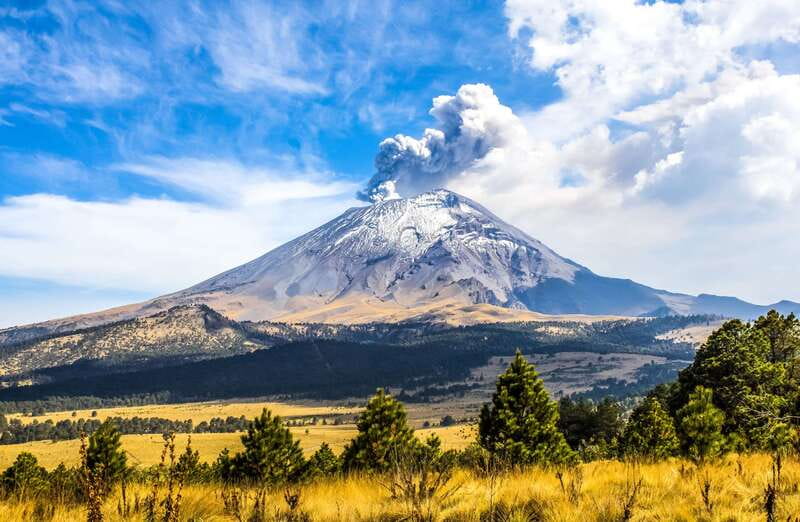
From Paso de Cortés, you ride for another 30 minutes toward La Joya. The road and mountain setting become rougher and more remote. La Joya is the trail access point for the main walking portion, though the route details can change according to conditions and group ability.
The hike generally covers about 5 to 7 kilometers round trip and takes around three hours. You walk over steep, uneven ground with wide views opening toward both volcanoes. The route does not simply lead you through a forest path. It takes you into exposed high mountain terrain where each rise can require a slower pace.
The first part may feel manageable, especially if you have spent a few days in Mexico City first. Then the altitude begins to make itself known. You may breathe harder than expected, need more frequent pauses, and find that a normal walking speed no longer works.
That is where the guide matters. The pace is meant to follow the physical level of the group, but you should still be ready to speak up if you need a pause. Stronger walkers may reach the next point sooner, while others need more time. The group can spread out on the descent, so stay aware of the guide’s instructions and do not wander off alone.
Past departures have reached different points. Some have stopped around a defined gate or shoulder, while others have continued toward Gate 2. One commonly reported high point is around 4,500 meters, though the advertised experience describes an altitude of up to 4,270 meters. The exact stopping point depends on weather, permits, equipment, and the group.
That variation is important. You should not book this expecting a guaranteed altitude or a summit. Think of it as a guided high-altitude hike on Iztaccíhuatl, with the route adjusted for safety and conditions.
Three hours of volcanic terrain and wide views
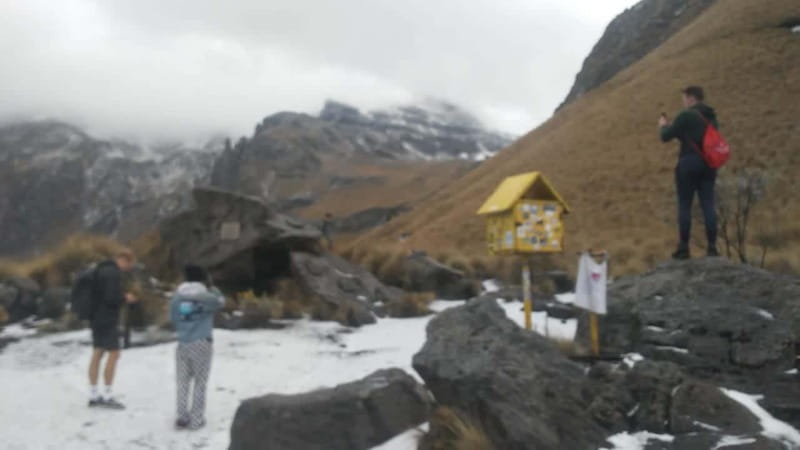
The scenery is the strongest reason to choose this trip. From the trail, you look across open mountain slopes toward Popocatépetl and across the Valley of Mexico. On a clear day, the view is broad and dramatic, with the two volcanoes giving the setting a strong sense of scale.
The ground is part of the challenge. Loose rock can make both the uphill and downhill sections awkward. One participant reported slipping several times and advised wearing shoes with good traction. That is sound advice. Comfortable shoes are listed as essential, but ordinary sneakers may not give you enough grip for the rougher sections.
The tour does not provide hiking equipment. Bring sturdy shoes or boots, layered clothing, water, snacks, sunscreen, and a passport or copy. The passport requirement is not optional: Mexican immigration regulations require proof of your legal stay, and a digital, original, or photocopied passport is accepted.
The best approach is slow and steady. At this altitude, racing ahead usually costs more energy than it saves. Short, regular pauses let you enjoy the views and keep the group together.
Some departures have had snow at the higher points, while clear sunny weather made the cold easier to handle. That tells you why layers are useful. You may feel warm while climbing and chilly during a rest stop, especially when wind reaches the exposed slopes.
The guides add another layer of value. Fabrizio has been singled out for his area knowledge, careful pacing, and ability to make the walk feel special. Gerson has been described as upbeat and motivating, while Ivan and Sergio have been praised for clear explanations and attention to the group. Leonardo has also received warm recognition for sharing his affection for Mexico. Your guide will vary, but the operation offers both English and Spanish.
More Mexico City trips worth a second look
- Mexico City: Guided Volcano Trek with Lunch
★ 4.7 · 242 reviews - Matacanes : Canyoning + Hiking + Water Jumps + Rappel + Caves
★ 5.0 · 1,497 reviews - Nido de los Aguiluchos, Monterrey: Hiking + Rock Climbing + 3 Rappels
★ 5.0 · 713 reviews - Puerto Vallarta: Full Day Hike to 6 Hidden Beaches & Snorkel
★ 4.8 · 403 reviews
What the altitude feels like at 4,000 meters
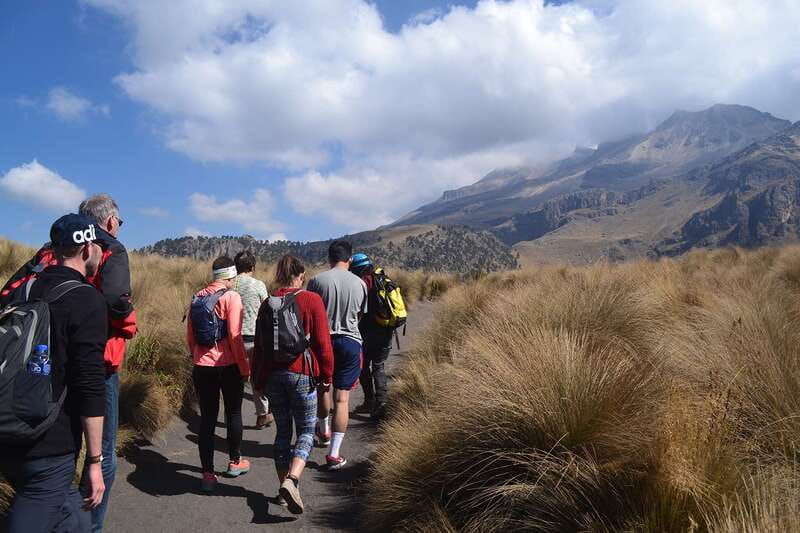
You do not need to be an athlete, but you do need a reasonable level of fitness and a healthy respect for altitude. The tour is not suitable for people with heart or respiratory problems, pregnant women, wheelchair users, people with mobility impairments, or children under 16.
Even people who exercise regularly can struggle because altitude affects everyone differently. A fit person who lives near sea level may find the climb harder than expected. Several days in Mexico City before the tour may help you adjust, though it does not guarantee an easy day.
Eat before you leave and carry food for the hike. A past participant specifically advised eating and drinking enough beforehand, and that is especially useful since food and drinks are not included. Water and compact snacks are simple additions that can make the difference between enjoying the final section and turning back early.
The group’s pace controls much of the experience. If you are among the faster walkers, you may need patience. If you are slower, do not feel pressured to prove anything. The point is to reach a safe turnaround point and enjoy the mountain, not to win a race.
Bad weather can cause the outing to be rescheduled or canceled. That may be frustrating, but it is a sensible policy for a high-altitude route with steep and loose terrain.
The return to La Joya and Paso de Cortés
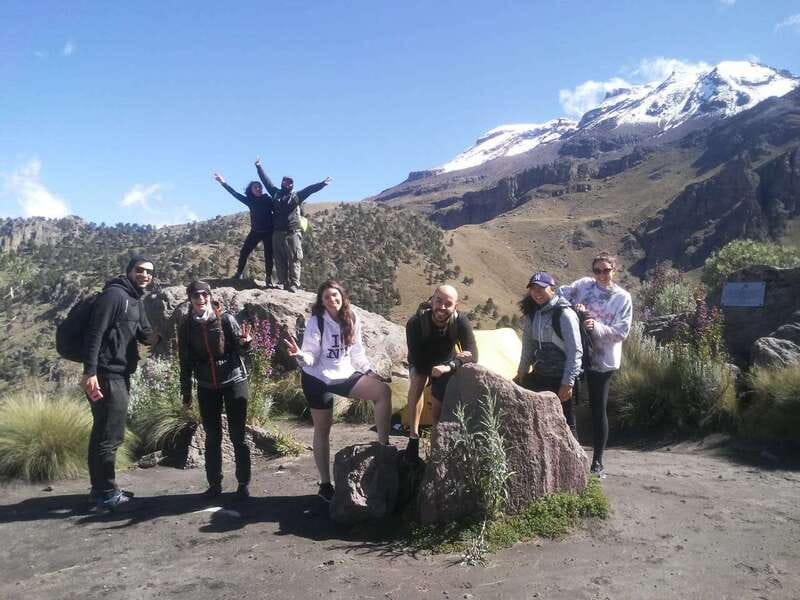
After the hike, you return to La Joya and board the van. The listed schedule includes about 30 minutes around La Joya, followed by another 30-minute ride back toward Paso de Cortés.
There is then a short break at Paso de Cortés, usually around 10 minutes, for photographs and a breather. The second stop can feel different from the first. You have now seen the terrain up close, and the volcanoes may look even more impressive from the viewpoint.
The final drive back to Mexico City takes about 105 minutes. The full day is scheduled for 11 hours, though actual arrival times can vary. One past departure reached Mexico City around 4 p.m., while another returned later after stopping for lunch.
A roadside meal may be offered or arranged on the way back, but you should not treat it as part of the tour price. Past stops have included tacos and quesadillas, with smaller bills useful for payment. That informal meal can be a pleasant end to a strenuous day, but pack your own food in case timing or the stop changes.
Is $168 a fair price?
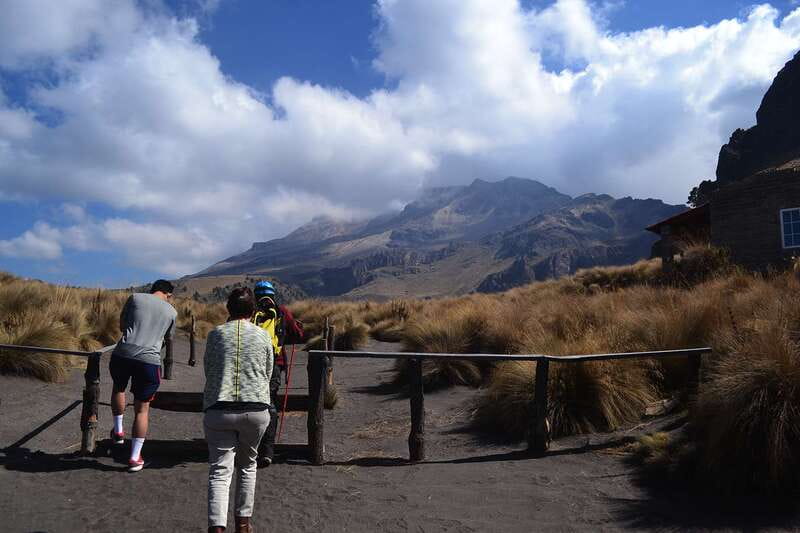
At $168 per person, the price covers the alpinist guide, round-trip transportation, and the national park entrance. A private option may also include hotel pickup and drop-off. You pay separately for food, drinks, and hiking gear.
I see the value in the transportation. Reaching the national park from Mexico City involves a long drive, and the route into the mountains is not the sort of transfer most visitors will want to arrange on their own. Having a guide handle the park entry, route, and safety briefing adds useful structure.
The value is less clear if you expect a summit attempt. This is not a technical climb, and it does not take you to the top of Iztaccíhuatl. If your goal is a mountaineering expedition, you need a different type of trip with specialist equipment, permits, and more time.
For a one-day introduction to Mexico’s high volcano country, the price is reasonable if you value convenience and guidance. It feels less attractive if you need a guaranteed private vehicle, included meals, or a fully equipped hiking package. A small-group or private option may be worth considering if you want more control over pace and comfort.
Who should book this Iztaccíhuatl hike?
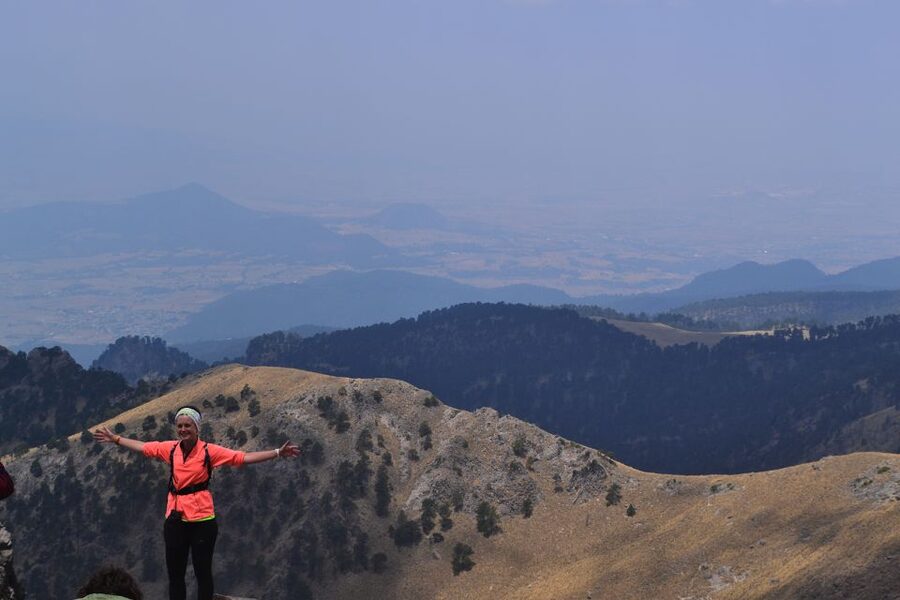
This outing suits you if you want a serious day outdoors and are excited by altitude, volcanic scenery, and a physical challenge. It is a strong fit for people who have good general fitness but do not have the time or experience for a full volcano climb.
You should be comfortable walking on irregular ground for several hours. Good shoes are essential, and you should be willing to carry water, snacks, sunscreen, and extra clothing.
It is less suitable if you want a relaxed sightseeing day or dislike early starts and long van rides. It is also a poor choice if you have medical conditions affected by altitude, limited mobility, or trouble with steep, loose terrain.
The activity is open to people aged 16 and older. Since the route can be adjusted to the group, you do not have to be the strongest person in the van. You do need to accept that the group’s ability and the weather may determine how high you go.
Practical ways to make the day better
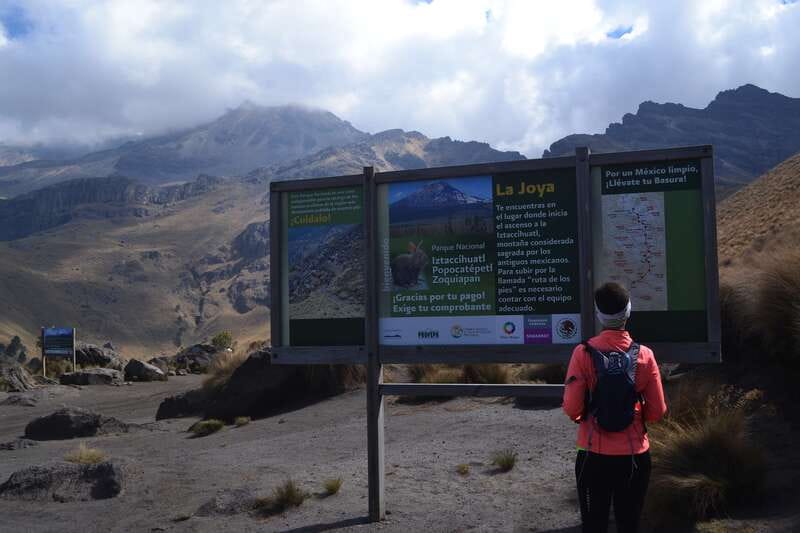
- Spend a few days in Mexico City before attempting the hike if your schedule allows.
- Eat breakfast before departure and bring extra snacks.
- Carry plenty of water, since drinks are not included.
- Wear boots or shoes with strong traction, not smooth-soled casual footwear.
- Use layers, since you may warm up while climbing and cool down quickly at rest stops.
- Bring sunscreen and a passport or copy.
- Keep valuables and essentials accessible during the short viewpoints stops.
- Tell the guide early if you feel unwell or need to slow down.
- Expect the route and high point to change with weather, permits, equipment, and group fitness.
- Carry a little cash for the possible roadside meal.
The most important tip is to judge success by the experience, not the altitude number. Some people may reach Gate 2 or a high shoulder, while others may turn back earlier. The views from lower on the route are still worthwhile, and forcing yourself upward in thin air is never a good bargain.
Should you book it?
Book this Iztaccíhuatl hike if you want dramatic volcano views and a genuine high-altitude challenge without attempting a full summit. The alpinist guide, park entry, and transportation make it a practical way to reach a difficult-to-access mountain setting from Mexico City.
Skip it if you want a guaranteed summit, included equipment, or an easy nature walk. Go prepared for a long day, a potentially crowded van, loose rock, and a pace shaped by the whole group. With sturdy footwear, enough water, food, layers, and realistic expectations, this is one of the more memorable ways to trade Mexico City’s streets for the high country.
FAQ
How long does the Iztaccíhuatl volcano tour take?
The scheduled duration is 11 hours, including transportation from Mexico City, the hike, park stops, and the return journey.
Where do I meet the guide?
The standard meeting point is the Amigo Tours Downtown Meeting Point at 6:20 a.m. Pickup depends on the selected option, and hotel pickup is not available in Santa Fe.
How far and how high is the hike?
The walking portion is approximately 5 to 7 kilometers round trip and takes about three hours. The advertised maximum altitude is up to 4,270 meters, though the stopping point can vary.
Is this a climb to the top of Iztaccíhuatl?
No. This is a guided hike on the volcano’s shoulder and does not represent a full summit climb. Reaching the summit would require additional gear, experience, time, and possibly special permission.
What languages are available?
The live guide service is available in English and Spanish. The guide assigned to your departure may vary.
What should I bring?
Bring comfortable, supportive shoes with good traction, water, comfortable layered clothing, food or snacks, sunscreen, and a passport. A digital, original, or photocopied passport is accepted as proof of legal stay in Mexico.
Recently reviewed around Mexico City
- Teotihuacan from Mexico City with early access★ 4.7 · 49 reviews
- Teotihuacan Pyramids: Guided Tour with Entry Ticket Included★ 4.1 · 45 reviews
- Teotihuacan Pyramids: Skip-the-Line Ticket★ 3.8 · 98 reviews
- From Mexico City: Puebla and Cholula Day Tour★ 4.2 · 194 reviews
- Puebla: Cholula Magical Town Tour by Double-Decker Bus★ 4.3 · 74 reviews
- Puebla: Walking Tour of Puebla City★ 4.9 · 45 reviews
- Nevado De Toluca: Reach the Summit with Professionals★ 4.8 · 250 reviews
- Mexico City: Vegan and Vegetarian Street Food Adventure★ 4.8 · 65 reviews
Hiking & Trekking, compared.
Matacanes : Canyoning + Hiking + Water Jumps + Rappel + Caves
Read our review →
Nido de los Aguiluchos, Monterrey: Hiking + Rock Climbing + 3 Rappels
Read our review →
Browse the lists this tour appears in