
Reviewed · MEXICO CITY TOURS
Iztapalapa: Cable Car Tour and Urban Art From the Heights
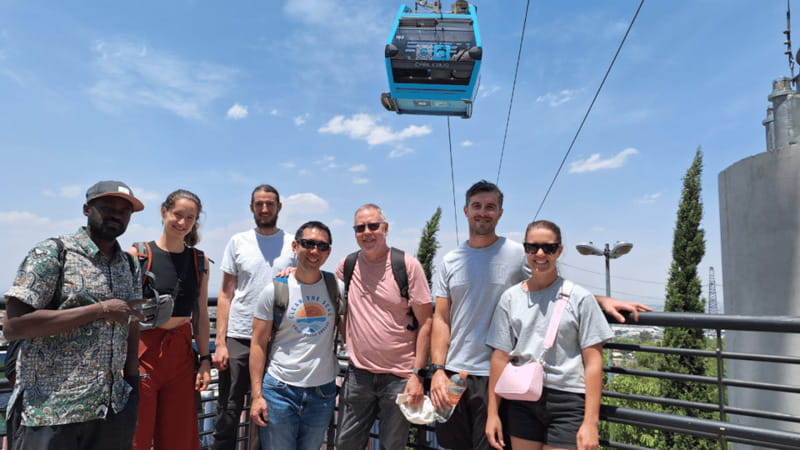
Mexico City’s Cablebús gives you a surprising view of Iztapalapa: rooftops, narrow streets, giant murals, distant volcanoes, and the city stretching far beyond the tourist center. This four-hour outing starts at Bellas Artes and uses the metro and cable car to reach a part of the capital most visitors never see.
I like two things in particular. First, the ride turns public transport into a sightseeing experience, while guides such as Benjamin, Eduardo, Alexia, Oscar, and Gabi add history and local context. Second, the visit connects the view above with daily life below, through a market stop, local food, music, and tortilla-making. The main consideration is time: a good share of the tour is spent on the metro, so experienced city-transit users may find that section longer than needed.
In This Review
- Key points to know before you book
- Why the Cablebús changes your view of Iztapalapa
- From Bellas Artes to the metro system
- The 40-minute Cablebús ride over Iztapalapa
- A short walk through history, community, and music
- Market food, gorditas, and the tortilla lesson
- What the guides add to the experience
- The return route and the four-hour pace
- Price, comfort, and who should book
- Should you book the Iztapalapa Cablebús tour?
- FAQ
- Where does the tour meet?
- How long does the experience last?
- Is the metro and Cablebús fare included?
- Is food included?
- Which languages are available?
- Can children or people with vertigo join?
Key points to know before you book
- The Cablebús is the main event: You cross Iztapalapa by cable car, looking down on streets, rooftops, murals, and surrounding mountains.
- The tour begins at Bellas Artes: Meet at the Parisian entrance to the subway, on the left side of the palace, where guides wear a green shirt and carry a green umbrella.
- You learn the metro as you go: The transport portion takes about 45 minutes each way, useful if Mexico City’s vast subway system makes you hesitate.
- The neighborhood visit includes local culture: Expect history, music, a market atmosphere, typical snacks, and an introduction to tortillas.
- The group is small: Up to nine people makes it easier to ask questions and stay with the guide during transfers.
- Dress and health rules matter: Wear comfortable closed shoes and discreet clothing, and skip this outing if you suffer from vertigo or motion sickness.
Why the Cablebús changes your view of Iztapalapa

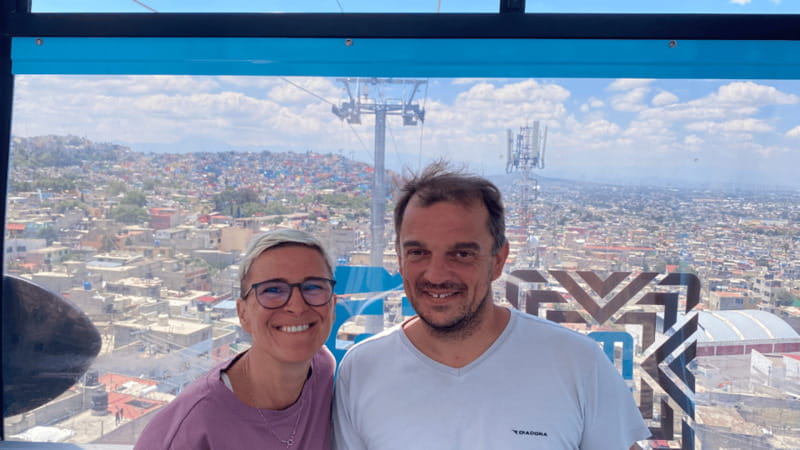
From street level, Mexico City can feel like an endless wall of traffic, shops, concrete, and apartment blocks. From the Cablebús, the city becomes easier to read. You see how homes climb across the hills, how streets form tight patterns, and how the outer districts connect with the center.
The ride is not a short loop made only for sightseeing. It is part of the city’s public transport system, used to connect communities that can be difficult to reach by road. That gives the experience more weight than a standard viewpoint. You are not simply looking at Iztapalapa. You are riding through a working part of the city.
The Cablebús is described as the longest cable car in the world, and the length matters. You have time to settle into the ride and watch the scenery change. One moment you are studying rooftops and painted walls. A few minutes later, the view opens toward mountains and the wider Mexico City basin.
The cabins provide a quiet, modern way to see the area. You will want to keep your eyes moving because the best view may be behind you or to the side. A phone or camera is useful, but the guide’s explanations are what turn the ride into something more than a pleasant aerial trip.
Other Mexico City days travellers weigh against this one:
- Teotihuacan, Guadalupe Shrine & Tlatelolco Day Tour with Lunch
★ 5.0 · 11,603 reviews - Xochimilco, Coyoacan and Frida Kahlo with Optional Lunch
★ 4.5 · 7,320 reviews - Balloon flight + Breakfast in cave + Pyramids + Pick up CDMX.
★ 5.0 · 6,335 reviews
From Bellas Artes to the metro system
The meeting point is at the Parisian entrance of the Bellas Artes subway station, on the left side of the Palace of Fine Arts. Look for a guide in a green shirt with a green umbrella.
This detail deserves attention. Bellas Artes has several entrances and busy streets around it, so arrive with enough time to identify the correct side of the building. One practical improvement would be a saved image of the Parisian entrance on your phone. A past participant had trouble spotting the meeting place, so do not assume that simply standing near the palace will be enough.
The first metro journey takes roughly 45 minutes. Your guide handles the public transport card and leads you through the system, explaining how the stations, lines, and transfers work. If you are new to Mexico City’s subway, this can be one of the most useful parts of the morning.
I like this practical start. Once you understand the system, you may feel more willing to use the metro during the rest of your stay. The guides have helped visitors who felt lost by the size of the network, and Benjamin was especially praised for making the system easier to understand.
Still, the metro section is not equally useful for everyone. If you live in London or another city with a large subway network, the explanations may feel repetitive. You can treat this stretch as time to ask questions about Mexico City, its growth, and the neighborhoods outside the center.
The 40-minute Cablebús ride over Iztapalapa

The cable car portion lasts about 40 minutes on the outbound route. This is where the tour earns its unusual character.
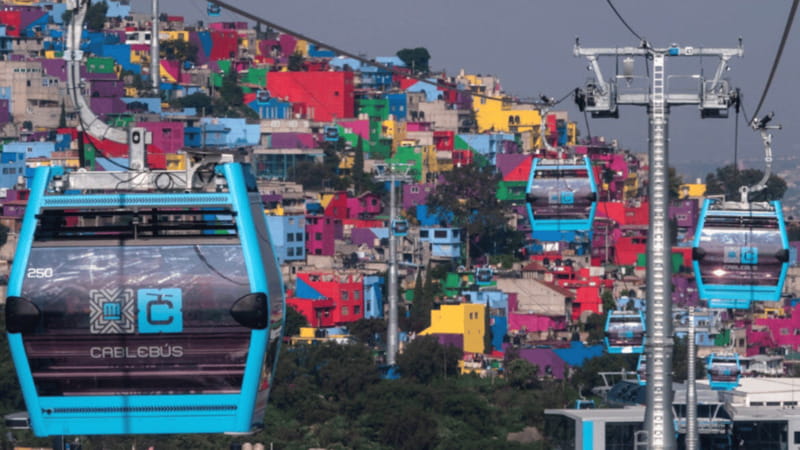
Instead of the polished historic center, you see the everyday city from above. The view includes a maze of streets, colorful buildings, rooftops, public works, and large-scale murals. The painted walls are not presented as random decoration. Your guide explains their subjects, their role in the community, and how commuters see them from the cabins below.
The height gives the murals a different effect. Some artwork is designed for people on the ground, while other pieces become clearer from the air. You may notice rooftop paintings and broad walls that would be hard to take in from a passing car. For anyone interested in public art, this is a strong reason to choose the outing.
The ride also helps explain why the Cablebús matters. It links communities while offering a direct route over roads and dense housing. You get both a practical transport lesson and a broad view of how the city has extended into surrounding hills.
The weather can affect the experience. Clear conditions should give you the best chance of seeing the volcanoes and distant city, while haze may soften the far-off views. The tour still has value in cloudy weather because the murals and neighborhood details remain close at hand, but do not book it only for a guaranteed volcano panorama.
A short walk through history, community, and music
Once you reach Iztapalapa, the guided neighborhood portion lasts about 20 minutes, followed by a 15-minute photo stop. This is not a long walking tour, which makes the outing suitable for people who want to explore without spending hours on foot.
The guide uses this time to explain how Iztapalapa has grown and dealt with its challenges. The area is presented as a living community, not a backdrop for outsiders. That distinction matters. You are given context for what you see from the cable car, including why the streets look so dense and how transport has changed access.
Music is part of the story. You hear about cumbia, sonidero, and urban rock, three styles tied to the social life of the area. These references help bring the neighborhood down from an abstract map and place it in the daily world of gatherings, dancing, local identity, and sound.
The short photo stop gives you a chance to enjoy the view without trying to listen and photograph at the same time. Keep your camera ready, but do not expect a long formal photo session. The schedule moves at a steady pace so the group can continue through the transport network.
A different kind of day out, same stretch of Mexico:
- Teotihuacan pyramids morning or afternoon without tourist traps
★ 5.0 · 6,186 reviews - Teotihuacan Early Access Guided Tour with optional Lunch
★ 4.5 · 6,138 reviews - Balloon flight + pick up in CDMX + Breakfast in Cave + Pyramids
★ 5.0 · 5,651 reviews - Balloon Flight + Cave Breakfast + Pick Up from CDMX or We Fly
★ 5.0 · 4,410 reviews
Market food, gorditas, and the tortilla lesson
The food element adds a welcome change from sightseeing. The experience includes tortillas, while meals and drinks are not included. Gorditas cost an additional 15 pesos, and you should bring cash for snacks and other typical food.
Several guides take the group to local market stalls, where you might find gorditas, tacos, fruit juice, sweets, or other simple specialties. The exact food stop can vary, but the purpose is clear: you get to see how people eat in the neighborhood rather than being taken to a restaurant designed for tour groups.
The tortilla activity gives the food a cultural frame. You learn why tortillas matter in the Mexican diet and how central they are to meals and family life. It is a small hands-on moment, but it gives you something to do and remember, rather than another lecture while standing still.
I would budget extra cash beyond the 15 pesos mentioned for a gordita. The tour does not include a full meal or drinks, and the market stop may tempt you to try more than one item. Eat lightly before departure if you want to sample local food, but do not count on the included tortilla portion to replace lunch.
Food safety is always personal when eating from street stalls. Use your own judgment, follow your guide’s suggestions, and bring water for the four-hour outing. Drinks are not included, and drinks are not allowed inside the vehicle.
What the guides add to the experience
The guide is central here. The ride itself is easy to arrange on your own, but understanding the murals, transport system, history, and local customs is much harder without help.
Eduardo appears often in the strongest feedback, with praise for his clear explanations and care in keeping groups together. Benjamin is noted for his warmth, city knowledge, and ability to make the metro feel manageable. Alexia has been especially effective at explaining the meaning of the murals and the effect they have on daily commuters.
Other named guides include Gabi, Gaby, Gabrielle, Gabriel, Oscar, Tomas, Thomas, Sam, Diana, and Fran. The guide language may be English or Spanish. Some content is presented in its original language, so ask questions if a point is unclear.
The group limit is nine people. That is small enough for a personal feel and useful during metro transfers, where a large crowd can scatter. It also means the pace may depend on the group’s comfort with public transport. The guide has to keep everyone together, board the right cars, and allow time for questions.
The experience has earned a 4.9 rating from 124 reviews, with repeated praise for the guides, public transport instruction, cable car views, rooftop art, and local food. The repeated pattern is useful: this tour’s success depends less on luxury and more on the person leading it.
The return route and the four-hour pace
After the Iztapalapa visit, you spend about 30 minutes enjoying scenic views on the way back toward the Cablebús. The return cable car trip takes around 25 minutes, followed by another 40-minute metro ride to Bellas Artes.
That schedule means the full experience lasts about four hours. It is a substantial morning or afternoon, but it is not packed with multiple formal attractions. The time goes into moving through the city, observing the view, listening to explanations, and stopping for food.
The return ride can be a good chance to notice details you missed earlier. You may also find it less exciting than the outbound trip because the novelty has worn off. I would sit on a different side of the cabin if possible and use the journey to ask the guide about neighborhoods, transport, or places to eat during the rest of your stay.
The tour is described as an experience without walking, but you should still expect the normal movement involved in metro stations, platforms, transfers, and getting on and off the Cablebús. Wear comfortable shoes. The route is not suitable for mobility scooters, non-folding wheelchairs, non-folding strollers, bikes, or large luggage.
Price, comfort, and who should book

At $24 per person, the price is fair if you want more than a cable car ticket. Your fee covers the transport card, metro and Cablebús rides, guide service, educational materials, and tortillas. You still pay for meals, drinks, tips, and optional gorditas.
The value is strongest for first-time visitors who feel unsure about Mexico City’s public transport. You receive a practical introduction that can make independent exploration easier later. It also works well for repeat visitors who have already seen the historic center and want a less familiar part of the capital.
I would recommend it to you if you enjoy:
- Public transport and city design
- Community art and murals
- Local food markets
- History explained through ordinary neighborhoods
- Big views without a demanding hike
- Small-group tours with plenty of guide interaction
I would think twice if you have vertigo, motion sickness, respiratory issues, altitude sickness, or strong discomfort with cable cars. The activity is also not suitable for children under five or people over 220 pounds, or 100 kilograms.
The clothing rules are unusually strict. Wear discreet clothing and closed, comfortable shoes. Avoid sandals, flip-flops, high heels, shorts, skirts, short dresses, sleeveless shirts, hats, sunglasses, bright colors, and jewelry. Large bags, oversize luggage, drones, skateboards, scooters, pets other than assistance dogs, and many other bulky items are not allowed.
These rules may feel fussy, but they are easy to follow if you dress simply and travel light. Leave a WhatsApp number with the correct area code so the operator can contact you quickly if needed.
Should you book the Iztapalapa Cablebús tour?
Book it if you want to see Mexico City from an angle that combines public transport, urban art, local food, and neighborhood history. The strongest part is not one isolated stop. It is the connection between the metro ride, the Cablebús view, the murals, and the stories about how Iztapalapa functions as a community.
For a first day in Mexico City, the outing can help you get your bearings fast. For a repeat visit, it opens a part of the city that is easy to miss from the usual tourist routes. Just remember that about half the experience involves getting there and back, and that the metro explanations may feel long if you already know large subway systems.
At $24, with transport and a small group included, I consider it a good-value choice for curious visitors who want context rather than a quick photo from above. Bring cash, wear sensible clothing, keep your bags small, and meet carefully at the Bellas Artes entrance.
FAQ
Where does the tour meet?
Meet at the Parisian entrance of the Bellas Artes subway station, on the left side of the Palace of Fine Arts. Guides wear a green shirt and carry a green umbrella.
How long does the experience last?
The experience lasts four hours. The schedule includes metro rides, Cablebús rides, a guided visit in Iztapalapa, a photo stop, scenic views, and a tortilla activity.
Is the metro and Cablebús fare included?
Yes. The experience includes a public transport card and the metro and Cablebús rides.
Is food included?
Tortillas are included. Meals and drinks are not included. Gorditas are available for an additional 15 pesos, and you should bring cash for typical snacks.
Which languages are available?
The live guide is available in English or Spanish. Some content may be presented in its original language.
Can children or people with vertigo join?
The activity is not suitable for children under five or people with vertigo, respiratory issues, altitude sickness, or motion sickness. It is also not suitable for people over 220 pounds, or 100 kilograms.
Recently reviewed around Mexico City
- Teotihuacan from Mexico City with early access★ 4.7 · 49 reviews
- Teotihuacan Pyramids: Guided Tour with Entry Ticket Included★ 4.1 · 45 reviews
- Teotihuacan Pyramids: Skip-the-Line Ticket★ 3.8 · 98 reviews
- From Mexico City: Puebla and Cholula Day Tour★ 4.2 · 194 reviews
- Puebla: Cholula Magical Town Tour by Double-Decker Bus★ 4.3 · 74 reviews
- Puebla: Walking Tour of Puebla City★ 4.9 · 45 reviews
- Nevado De Toluca: Reach the Summit with Professionals★ 4.8 · 250 reviews
- Mexico City: Vegan and Vegetarian Street Food Adventure★ 4.8 · 65 reviews
Mexico City Tours, compared.
Teotihuacan, Guadalupe Shrine & Tlatelolco Day Tour with Lunch
Read our review →
Xochimilco, Coyoacan and Frida Kahlo with Optional Lunch
Read our review →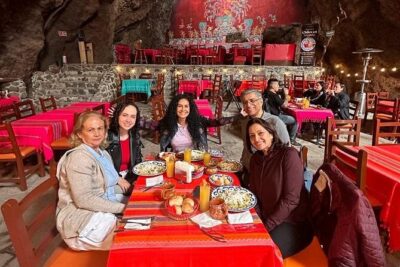
Balloon flight + Breakfast in cave + Pyramids + Pick up CDMX.
Read our review →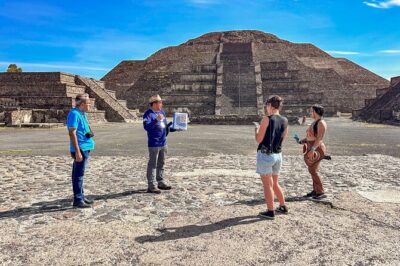
Teotihuacan Early Access Guided Tour with optional Lunch
Read our review →
Balloon flight + pick up in CDMX + Breakfast in Cave + Pyramids
Read our review →
Balloon Flight + Cave Breakfast + Pick Up from CDMX or We Fly
Read our review →
Teotihuacan, Tlatelolco & Guadalupe Shrine Tour
Read our review →
Teotihuacan Hot Air Balloon Flight from Mexico City / Volare
Read our review →Browse the lists this tour appears in