

Reviewed · OAXACA TOURS
Oaxaca: San Martín Tilcajete, Jalieza & Ocotlán Crafts Route
Oaxaca’s best crafts are made in working towns, not just displayed in city shops. This 8-hour route takes you to family workshops where you can watch copal wood become an alebrije, thread become a Zapotec textile, and ordinary clay become glossy black pottery.
I like the variety of crafts and the short rides between most stops. I also like the chance to eat at a local market instead of spending the whole day in tourist showrooms. The main catch is timing: Zaachila’s market visit is offered on Thursdays, while Ocotlán is especially active on Fridays, so you cannot expect every market stop to be at its best on every departure day.
In This Review
- Key points at a glance
- Why this Oaxaca craft route is worth your day
- Leaving Oaxaca City for the artisan towns
- San Martín Tilcajete and the bright world of alebrijes
- Santo Tomás Jalieza and the patience of the backstrap loom
- Ocotlán de Morelos, a market with everyday purpose
- Villa de Zaachila and lunch at a traditional market
- San Bartolo Coyotepec and the making of black clay
- The pace, group size, and guide service
- What the $46 price really covers
- Who should book this route?
- Should you book the Oaxaca crafts route?
- FAQ
- How long does the Oaxaca crafts route last?
- Where does the tour begin?
- Where does the tour end?
- Which languages are available?
- Is lunch included?
- Which towns are visited?
- When is the Villa de Zaachila market visited?
- When is the Ocotlán market especially lively?
- What should I bring?
- Can I cancel for a refund?
Key points at a glance
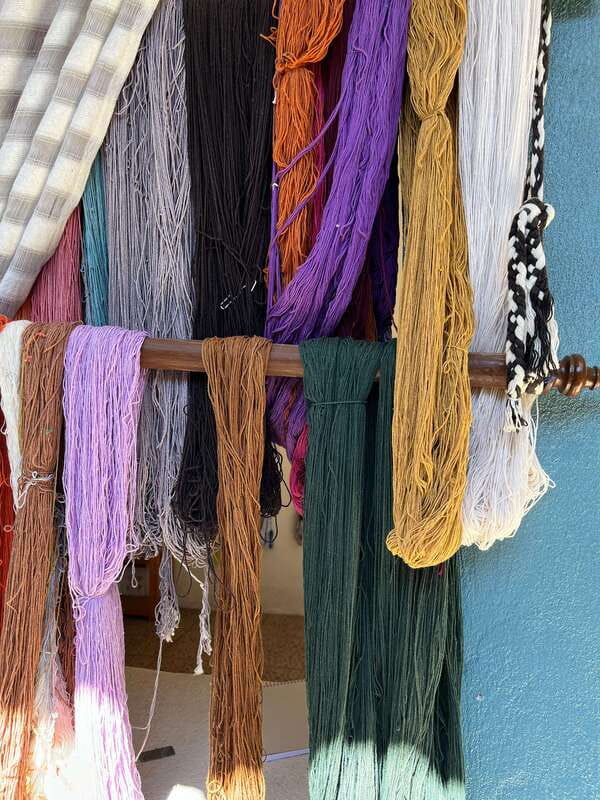
- San Martín Tilcajete: See alebrijes carved from copal wood and painted with detailed patterns and natural dyes.
- Santo Tomás Jalieza: Watch artisans use a traditional backstrap loom to create geometric Zapotec textiles.
- San Bartolo Coyotepec: Learn how artisans shape and polish the famous black clay pottery.
- Market meals: Lunch at Villa de Zaachila is included in the route, but food and drinks are not included in the price.
- Flexible small-group feel: Several departures have had only two or three people, allowing the guide to adjust the day.
- Good value at $46: Transportation, a bilingual guide, four craft and market areas, and drop-off are included.
Why this Oaxaca craft route is worth your day
This is not a single workshop visit dressed up as a full excursion. You see several parts of Oaxaca’s handmade culture in one day, each with its own material and method. The contrast matters. Wood carving is expressive and playful, weaving is slow and exact, and black clay pottery depends on shaping, polishing, and firing.
At $46 per person, the route offers solid value if you want to reach towns outside Oaxaca City without arranging separate transport. A comfortable van, a certified bilingual guide, and hotel or Airbnb drop-off are included. You still pay for lunch and drinks, but you can choose food at the market rather than being tied to a fixed restaurant.
The route also works well for travelers who want to shop with some context. You are not simply looking at finished objects. You can see how they are made and ask questions before deciding what deserves room in your suitcase.
There are limits. Each scheduled workshop lasts about an hour, so this is an introduction rather than a slow study of one community. Some workshop visits naturally lead into a gallery or shop, and you may feel the pull to buy. The good news is that one account of the day described no pressure to purchase, but you should still treat shopping as part of the structure.
Other Oaxaca days travellers weigh against this one:
- Hierve el Agua, Tule Tree, Mitla and Mezcal Distillery Tour
★ 4.5 · 1,094 reviews - Explore Hierve el Agua, Mitla, Tule, Textile and Mezcal for a day
★ 5.0 · 1,043 reviews - Monte Alban Guided Half Day Tour
★ 5.0 · 880 reviews
Leaving Oaxaca City for the artisan towns
The meeting point is at 5 de Mayo 300, where you ask for the El Convento DMC travel agency and wait for a staff member to identify you. The ride to the first stop takes about an hour, followed by shorter transfers between the towns.
That first hour in the van is useful, since the craft communities are spread around the Oaxaca Valley. Bring water, wear comfortable clothes and shoes, and eat breakfast before leaving. The day includes lunch, but the schedule does not suggest a substantial meal early in the excursion.
Transportation is one of the practical reasons to choose this trip. You avoid piecing together taxis or buses between four different destinations. Still, road conditions can affect comfort. One participant reported severe motion sickness and felt the driver’s handling made the rough, winding roads harder than on other excursions. If you are sensitive to motion, sit where the ride feels smoothest, carry whatever remedy you normally use, and tell the guide early.
San Martín Tilcajete and the bright world of alebrijes
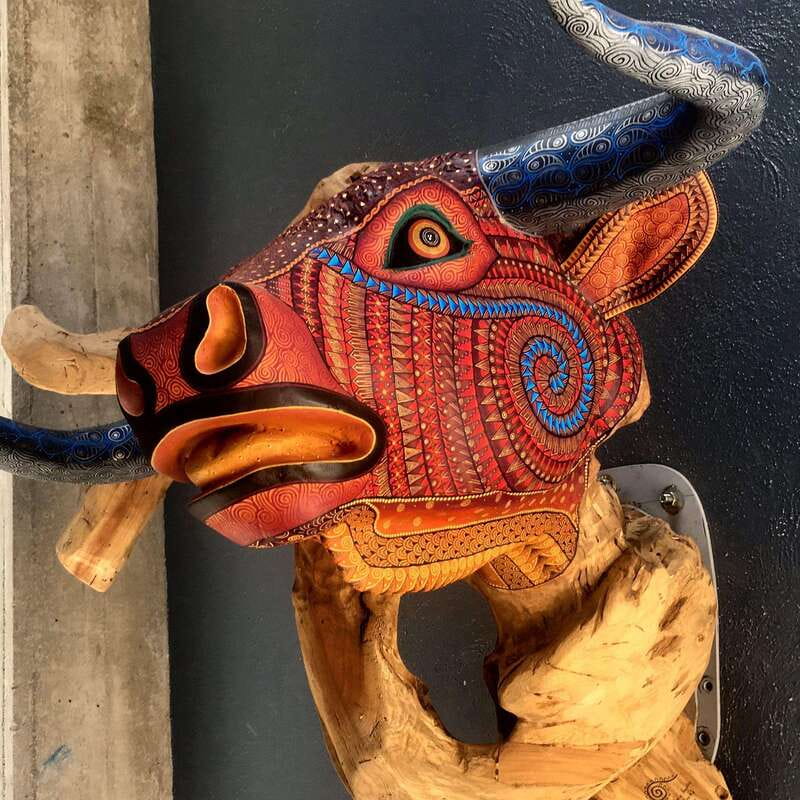
Your first workshop is in San Martín Tilcajete, the town most associated with Oaxacan alebrijes. Here, artisans carve copal wood into animals and imaginary creatures, then build up their character with paint, lines, spots, and small details.
The useful part of this stop is seeing the stages rather than only the finished object. You can watch how a rough piece of wood becomes a recognizable figure. The painted surface is not an afterthought. It gives the creature its expression, symbols, and personality.
Ask about the meaning behind the shapes and patterns. The experience description specifically focuses on symbolism and the process of carving and painting, and one participant found the explanation of natural dyes especially interesting. That detail gives you a better way to look at the work in Oaxaca City later. Instead of seeing a colorful animal as a simple souvenir, you can notice the labor in the carving and the choices in the paintwork.
The workshop lasts about an hour. That is enough to understand the method and browse the gallery, but not enough to examine every piece at a leisurely pace. If you find an alebrije you like, inspect the carving, paint, and finish before buying. Since the figures vary in size and price, ask about packing and shipping directly at the workshop if needed. Those services are not specified as included, so do not assume they are part of the purchase.
Santo Tomás Jalieza and the patience of the backstrap loom
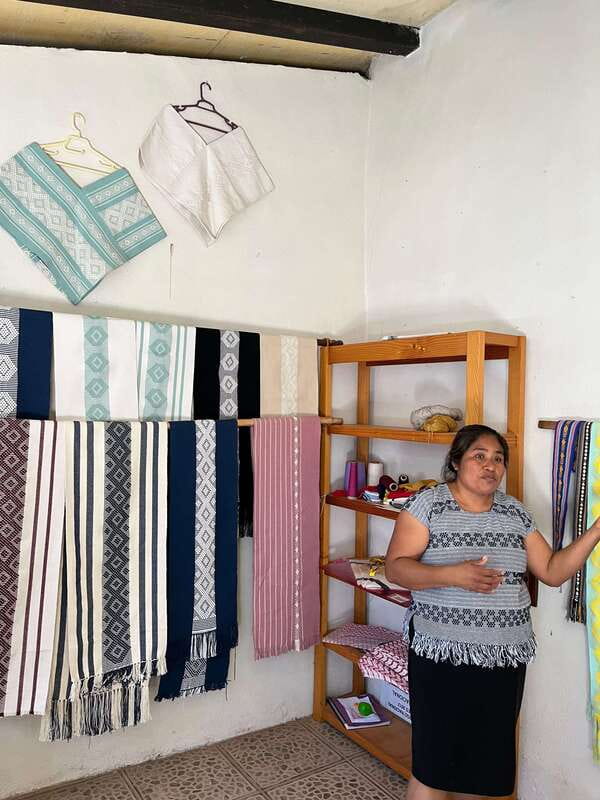
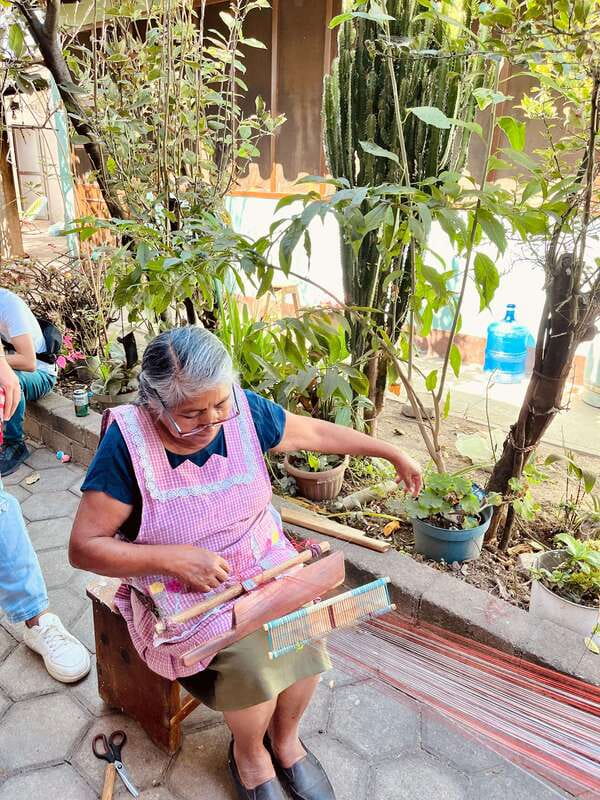
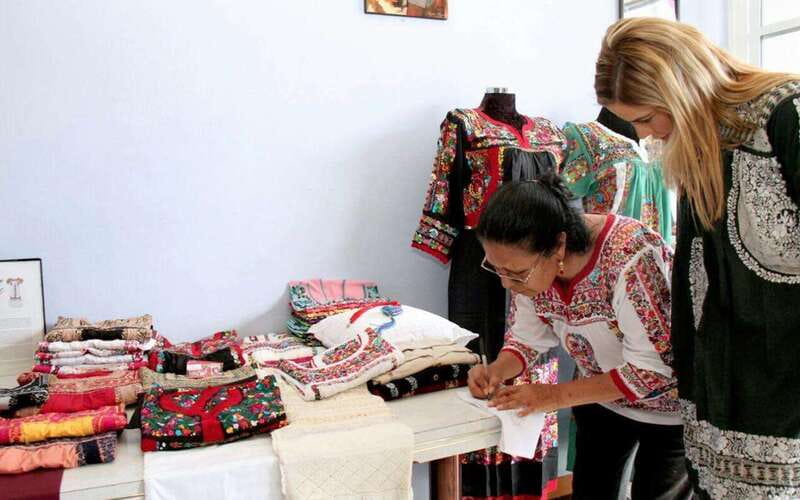
A short van ride brings you to Santo Tomás Jalieza, where the focus shifts from wood to textile. Artisans demonstrate backstrap weaving, an old technique passed through generations. The loom is held with the weaver’s body, and the work requires steady control of thread, tension, and pattern.
This stop rewards close attention. The geometric designs are built slowly, one decision at a time. You begin to see why a finished belt, cloth, or other textile can represent a large amount of patient work even when the object itself is compact.
The weaving also connects the craft to Zapotec identity. You are not just watching a way to make fabric. You are seeing a local tradition that remains part of community life and artistic expression.
The visit is scheduled for about an hour, matching the time at the other workshops. That keeps the route moving, but it can feel brief if you want to compare many textiles or ask detailed technical questions. I would use the demonstration to understand the process first, then shop only if a piece appeals to you. Look closely at the pattern and construction, since the method is one of the main reasons this stop is worth your time.
A different kind of day out, same stretch of Mexico:
- From Oaxaca de Juarez: Hierve el Agua and Mezcal Distillery
★ 4.9 · 615 reviews - Oaxaca de Juarez: Monte Alban Half-Day Tour
★ 4.7 · 492 reviews - AUTHENTIC OAXACA CULTURAL FOOD TOUR, eat like a local.
★ 5.0 · 462 reviews - Oaxaca: Tule, Mitla & Hierve el Agua, & Mezcal Tour
★ 4.7 · 456 reviews
Ocotlán de Morelos, a market with everyday purpose
The route continues to Ocotlán de Morelos, known for its market and artistic traditions. This is not presented as a polished craft-only stop. You may find fresh produce, handmade goods, regional foods, and other items used by local residents.
Ocotlán is especially lively on Fridays. If your day falls then, plan to give the market your full attention. You can expect a more active setting, with everyday buying and selling alongside handmade work. It is a useful counterpoint to the workshops because it shows how local culture operates beyond the display table.
The scheduled visit is about an hour. That is enough for a first look, but not for a long, unhurried market wander. One account of the route described an extra visit to an authentic Ocotlán market when time allowed, while another found the stop rushed and had trouble seeing murals late in the day. That difference points to a real issue: the quality of this section can depend on the day’s pace, light, and how much time remains after the workshops.
Keep your expectations practical. You are getting a short market visit within a full-day route, not a dedicated Ocotlán market tour. If local food and ordinary town life matter more to you than shopping in galleries, this stop may be one of the most rewarding parts.
Villa de Zaachila and lunch at a traditional market
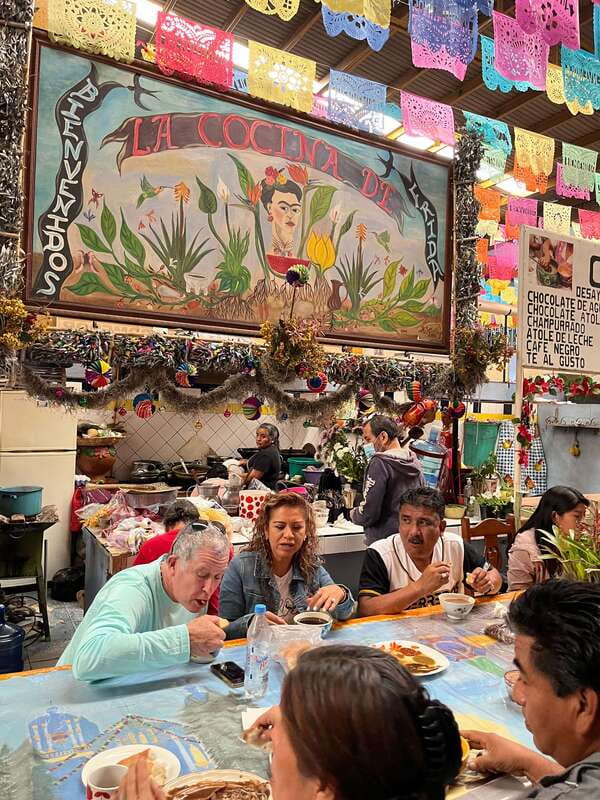
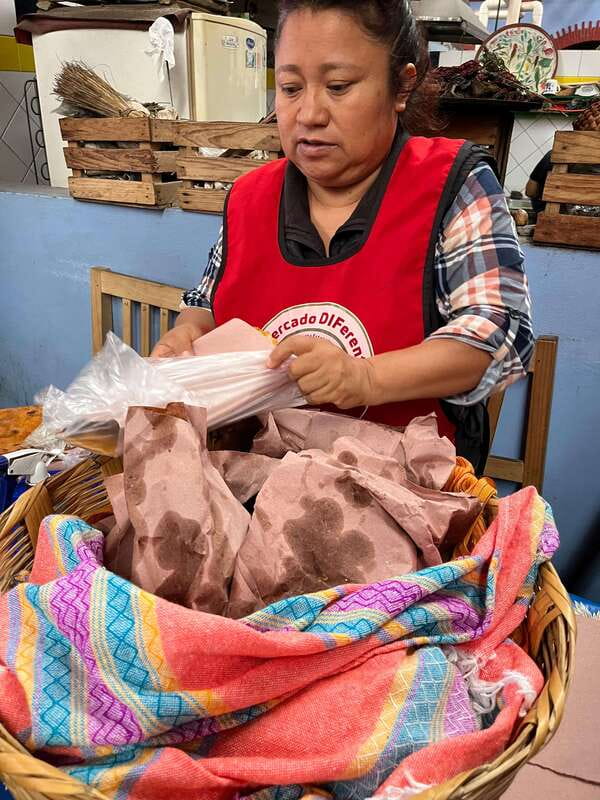
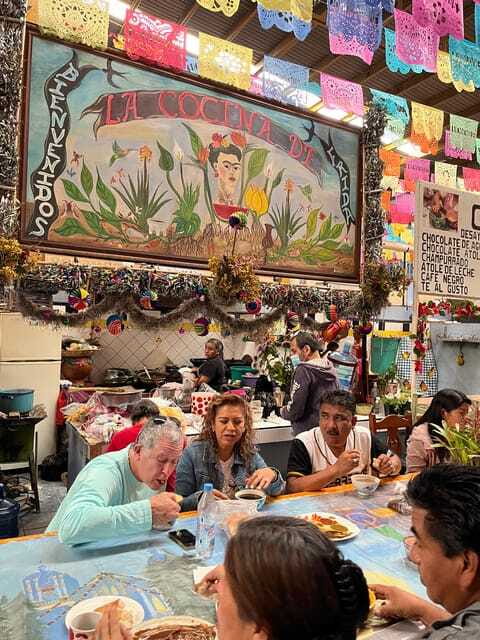
On Thursdays, the route visits Villa de Zaachila’s traditional market. It is described as a place where local people buy produce, tortillas, regional cheeses, flowers, spices, textiles, and prepared foods. That makes it a good setting for lunch and a chance to see a market with a daily purpose rather than a tourist program built around visitors.
Lunch is part of the schedule, but food and drinks are not included. Bring cash and be ready to choose what you want at the market. The supplied details do not name a specific dish or restaurant, so you should think of this as a flexible market meal, not a fixed menu.
I like this part of the route because food helps connect the crafts to the wider community. You get a break from workshops, and you can see the ingredients, household goods, and handmade objects that belong to local life.
The important planning note is the day. Zaachila’s market visit is listed for Thursdays only. If you book another departure day, do not assume you will receive the same market experience. Ocotlán is especially active on Fridays, so the best market atmosphere depends on the calendar. Ask about the exact day’s plan when checking availability.
San Bartolo Coyotepec and the making of black clay
The final workshop stop is San Bartolo Coyotepec, home of Oaxaca’s famous black clay pottery. This is often the most visually striking craft on the route. The pottery has a deep black color and natural shine, created through traditional Zapotec methods of shaping and polishing the clay.
The important thing to notice is the finish. The surface does not simply come from paint. Artisans shape the vessel, polish it, and use an ancestral process that produces the characteristic dark color and sheen. Seeing that work in person makes the pottery easier to appreciate than it is in a crowded city shop.
Several accounts singled out the black clay visit as a highlight. That makes sense: the technique is distinctive, and the finished pieces have a strong visual identity. Look for the polish, symmetry, and fine details in the surface. Ask how a piece was formed and finished before purchasing.
As with the alebrije stop, this is a workshop visit followed by time to view the work. You may find the sales area tempting, but there is no requirement to buy. The route gives you a useful foundation for comparing pieces and deciding if the price reflects the workmanship.
The pace, group size, and guide service
The day is planned around roughly one hour at each main stop, with van rides of about 10 minutes between several towns, a longer ride from Oaxaca City to the first workshop, and a return ride after San Bartolo Coyotepec. In practice, market crowds, road conditions, lunch, and questions can change the rhythm.
Small groups seem possible. On some departures, only two or three people have been present, and the guide adjusted the route or added an authentic market visit when time allowed. That flexibility can make a big difference. You can ask more questions, spend longer on a craft that interests you, or avoid rushing through a stop that does not suit you.
Guide quality can also shape the day. The service is offered in English and Spanish, and one guide named Miguel received criticism for speaking too quickly and offering limited explanation during part of the route. That was not the universal experience. Other days included friendly, helpful guiding and customization. If you cannot hear or follow the explanation, say so at once rather than waiting until the next town.
The driver matters too. Most of the route is by van, and winding roads are part of getting to these communities. One poor driving experience led to an early end because of motion sickness, so transportation comfort is worth taking seriously.
What the $46 price really covers
The price is low for a full day outside Oaxaca City. You receive a certified bilingual guide, transportation, the workshops and town visits described above, and drop-off at your hotel or Airbnb. That last service is convenient after a long day, especially if your lodging is not near the starting point.
The price does not cover food, drinks, or extra expenses. Since lunch takes place at a market, bring money for a meal and any crafts you want to purchase. The value is strongest if you were already planning to visit several craft towns and would otherwise need to arrange transport and negotiate separate rides.
It is less ideal if you want a private, slow-paced art study. The standard schedule gives each workshop about an hour, and the group may need to move on even when you want more time. Still, the range of crafts makes the cost easy to justify for a first introduction.
Free cancellation is available up to 24 hours before the activity for a full refund, and you can reserve now and pay later. Starting times vary, so check availability before planning the rest of your day.
Who should book this route?
You should consider it if you want to:
- Compare several Oaxacan crafts in one day.
- Watch artisans work instead of only shopping in Oaxaca City.
- Visit San Martín Tilcajete, Jalieza, Ocotlán, Zaachila, and San Bartolo Coyotepec without arranging your own transport.
- Eat lunch at a local market.
- Shop with a better understanding of the work behind each object.
- Travel in English or Spanish with a bilingual guide.
It may not suit you if you dislike van rides, winding roads, fixed stop lengths, or workshop galleries connected to sales areas. It is also not suitable for people over 130 kilograms or over 95 years old, according to the stated limits.
Should you book the Oaxaca crafts route?
Book it if you want breadth, local workshops, and good transport value. The strongest parts are the alebrije demonstration, the black clay pottery visit, and the chance to see backstrap weaving in its home region. The market lunch adds a welcome everyday element.
Choose your day with care. Thursday gives you the planned Villa de Zaachila market, while Friday is especially useful for Ocotlán. If you are sensitive to motion sickness, prepare for the van ride and speak with the guide about seating and pacing. If you want a private art lesson or lots of time in one town, choose a more focused experience instead.
For most first-time visitors who want to understand why Oaxaca’s crafts matter, this is an affordable and well-rounded day.
FAQ
How long does the Oaxaca crafts route last?
The activity lasts 8 hours, including transportation, workshops, market visits, lunch time, and return to Oaxaca City.
Where does the tour begin?
It begins at 5 de Mayo 300. Ask for the El Convento DMC travel agency and wait for a collaborator to identify you.
Where does the tour end?
The tour returns to 5 de Mayo 300, with drop-off at your hotel or Airbnb included.
Which languages are available?
The live guide service is available in English and Spanish.
Is lunch included?
No. The route includes time for lunch at the market, but food and drinks are not included in the price.
Which towns are visited?
The route includes San Martín Tilcajete, Santo Tomás Jalieza, Ocotlán de Morelos, Villa de Zaachila, and San Bartolo Coyotepec.
When is the Villa de Zaachila market visited?
The Villa de Zaachila market visit is offered on Thursdays only.
When is the Ocotlán market especially lively?
Ocotlán de Morelos is especially lively on Fridays.
What should I bring?
Bring comfortable shoes, comfortable clothes, and drinks. It is also recommended that you eat breakfast before the excursion.
Can I cancel for a refund?
Yes. You can cancel up to 24 hours in advance for a full refund. You can also reserve now and pay later.
Recently reviewed around Oaxaca
- The Mezcal Journey★ 4.9 · 78 reviews
- Street Art with an artist★ 4.9 · 32 reviews
- Oaxaca: Traditional Oaxacan Cooking Class with Market Visit★ 4.9 · 80 reviews
- Oaxaca: Monte Albán, Hierve el agua, Mezcal and Teotitlán★ 4.9 · 48 reviews
- Oaxaca: Oaxacan Mole Workshop with a Traditional Cook★ 4.7 · 158 reviews
- Oaxaca: Legends Tour Mezcalbús★ 3.9 · 34 reviews
- Oaxaca: Early Arrival at Hierve el Agua + Pickup + Admission★ 4.4 · 105 reviews
- Oaxaca: Mezcal Adventure★ 4.5 · 44 reviews
Oaxaca Tours, compared.

Hierve el Agua, Tule Tree, Mitla and Mezcal Distillery Tour
Read our review →
Explore Hierve el Agua, Mitla, Tule, Textile and Mezcal for a day
Read our review →

From Oaxaca de Juarez: Hierve el Agua and Mezcal Distillery
Read our review →

AUTHENTIC OAXACA CULTURAL FOOD TOUR, eat like a local.
Read our review →

Browse the lists this tour appears in