
Reviewed · COZUMEL TOURS
Open Water Course Cozumel
Cozumel is a fine place to learn scuba because your training can move from basic skills to the Mesoamerican reef in a remarkably short time. Be Diving Scuba Academy structures the PADI Open Water course around theory, confined-water practice, and open-water sessions, with instructors including Jon, Cata, and Mariana.
I like the patient teaching and the clear focus on buoyancy, trim, fin technique, and protecting coral. I also like the flexible two- or three-day format, plus the choice between online study and classroom instruction. The main consideration is that this is a serious certification course, not a casual half-day activity, and you need a moderate fitness level and enough time to absorb the material.
In This Review
- Key points before you book
- What the $600 course really includes
- Day one: theory and getting comfortable underwater
- Skill work that makes a safer scuba beginner
- The open-water portion around Cozumel
- How the instructors shape the experience
- Cozumel location, Playa del Carmen details, and meeting points
- Who should choose the two-day or three-day format
- What to clarify before booking
- Should you book Be Diving’s Open Water course?
- FAQ
- Where does the Open Water course take place?
- How long does the course take?
- What are the three main phases?
- Can I study the theory online?
- What equipment will I learn to use?
- Is this a private activity?
- What fitness level is required?
- Is the course offered in English?
- Where is the ticket redemption point?
- What happens if the weather is poor?
- What is the cancellation policy?
Key points before you book
- Two or three days: You can complete the course on a shorter schedule or spread it across three days, depending on your availability and progress.
- Three-part training: Expect theory, confined-water skill work, and open-water practice before certification.
- Cozumel reef training: The final ocean work takes place in the Cozumel area, where you can apply your skills in a real reef setting.
- Patient instruction: Jon and Mariana are especially noted for calm communication, careful explanations, and letting beginners work at their own pace.
- Conservation matters: The teaching emphasizes buoyancy and reef-friendly behavior, including avoiding contact with coral and stirring up the bottom.
- Private experience: Only your group participates, which can make it easier to ask questions and receive individual help.
What the $600 course really includes
The price is $600 per person, which is a substantial outlay for a holiday activity. But this is not simply a sightseeing outing with a tank strapped to your back. You are paying for a recognized PADI certification course, instruction, equipment use, confined-water practice, and open-water training over roughly two or three days.
The value depends on your goal. If you only want to try breathing underwater once, this course is more than you need. If you want a qualification that lets you scuba with operators in other parts of the world, the cost makes more sense because the course builds skills you can continue using after Mexico.
A good instructor is particularly important for first-time participants. You are learning equipment checks, breathing control, buoyancy, communication, and emergency procedures at the same time. The strongest part of this program is its teaching style. Jon is praised for developing proper trim, controlled fin movement, and buoyancy from the beginning rather than allowing sloppy habits to settle in.
That matters more than it may sound. Poor buoyancy can send you into coral, create clouds of sand, and leave you using air quickly. A careful instructor helps you become calmer and more self-sufficient underwater, which is the real value of a certification course.
Other Cozumel days travellers weigh against this one:
- Mr. Sanchos Beach Club All-Inclusive Day Pass
★ 4.5 · 6,744 reviews - Cozumel: Paradise Beach Club All-Inclusive Day Pass
★ 4.5 · 3,311 reviews - ATV 4×4+Snorkeling+Beach Club+ Lunch+Sabores de Cozumel
★ 5.0 · 1,468 reviews
Day one: theory and getting comfortable underwater
The first phase is knowledge development. You can complete the theory independently online or study in a classroom, so you have a choice between convenience and direct contact with an instructor.
Online study works well if you want to complete lessons before arriving. It can reduce classroom time and let you review difficult sections at your own speed. Classroom study may suit you better if you are new to scuba terms or want to ask questions immediately. The supplied details do not set one method as better, so choose based on how you learn best.
The theory covers the basic principles of scuba. You learn how the equipment works, how to use it, and why safe procedures matter. Your instructor checks your progress and answers questions along the way, rather than treating the theory as paperwork to rush through.
Then comes confined-water practice. The equipment includes a mask, snorkel, fins, regulator, buoyancy control device, and tank. You learn how each piece fits into the system and begin practicing the basic skills needed to stay comfortable and controlled.
A small pool on site has been especially useful for beginner training. It gives you a calmer place to work on buoyancy and equipment skills before facing the open ocean. That staged approach is valuable if you feel nervous. You can pause, ask questions, and repeat a skill without the added distractions of current, boat movement, or a wide reef setting.
The instructors also appear to adjust the pace to the person in front of them. Mariana is praised for helping new students feel comfortable, while Jon is described as patient and attentive to different experience levels. If one person in your private group needs more time, that kind of teaching can make the course much less stressful.
Skill work that makes a safer scuba beginner
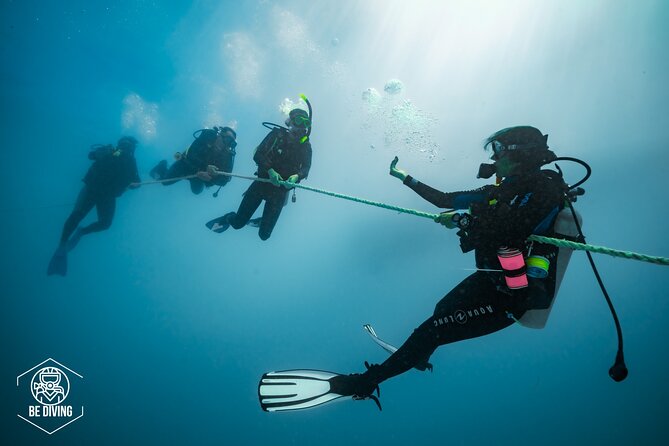
Open-water certification is not just about looking at fish. You must show that you can use your equipment and respond to ordinary problems underwater.
The course introduces basic skills in confined water before you use them outside. This helps you build muscle memory. You learn to manage your regulator, mask, buoyancy control device, and other gear while staying aware of your breathing and position.
The emphasis on trim and fin technique is worth noting. A new scuba participant often kicks too hard, points downward, or brushes the bottom without meaning to. Be Diving’s approach aims to correct those habits early. You are encouraged to move with control, stay off the coral, and avoid making a sand cloud that reduces visibility for everyone.
That environmental focus is one of the strongest reasons to consider this course. Conservation is taught as part of good technique, not added as a separate lecture. If you can hold a steady position and move carefully, you are less likely to damage coral or disturb marine life.
The course also aims to make you self-sufficient. Your instructor communicates the goal of each session and explains what you should focus on. That gives you a clearer purpose than simply following a guide around a reef.
You should still expect to work. Scuba requires moderate physical fitness, and you need to manage equipment in and around the water. The course may be enjoyable, but it is not passive. If you are uncomfortable in water or unsure about your fitness, raise those concerns before booking.
The open-water portion around Cozumel
The final phase takes your skills into open water. The course begins in the Cozumel area and ends back at the meeting point, with San Miguel de Cozumel listed as the start location.
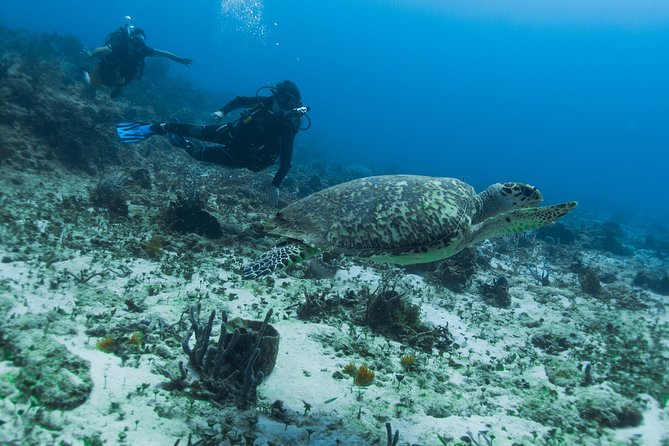
The open-water sessions are where the training starts to feel like a real adventure. You use the techniques from the pool while exploring the reef and learning to manage your attention in a larger environment. You must remember your breathing, buoyancy, hand signals, equipment, and the instructor’s directions while also taking in the marine life around you.
The Mesoamerican reef setting gives this final stage a strong sense of place. You are not practicing in an anonymous pool and then waiting until a later holiday to see what the certification is for. You can apply the skills in a Caribbean reef environment during the same course.
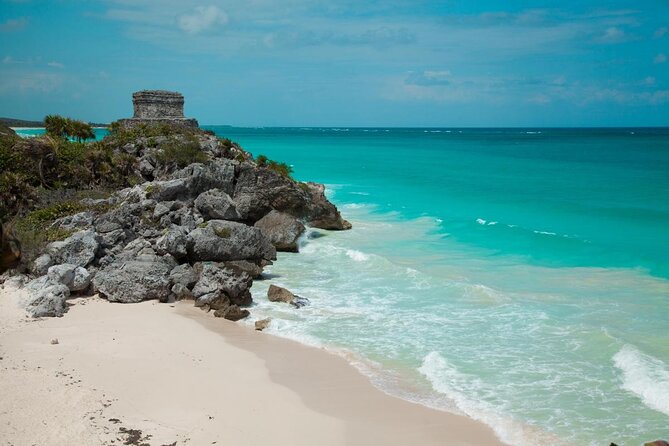
Some course schedules described by the provider’s customers include two open-water sessions at Casa Cenote near Tulum, followed by two ocean sessions in Cozumel. That appears to be an example of how the three-day program can be arranged, not a guaranteed schedule for every booking. Ask Be Diving to confirm the exact route, number of sessions, and transportation plan before you pay.
Casa Cenote can offer a useful bridge between pool work and the open ocean. It gives you a natural setting while still feeling different from a reef session. Cozumel then provides the ocean experience and reef conditions needed for the final training stage.
The possible drawback is travel time. If your schedule includes Playa del Carmen, Tulum, and Cozumel, you will spend part of the course moving between locations. That can make the days long, especially when a ferry is involved. On the other hand, transportation and lunch were handled for one reported group, allowing participants to focus on the course rather than organizing every connection themselves.
A different kind of day out, same stretch of Mexico:
- Cozumel Snorkeling Tour: Palancar, Columbia and El Cielo Reefs
★ 4.5 · 1,462 reviews - From Cozumel: 3 Reefs Boat Tour with Drinks and Snorkeling
★ 4.3 · 1,080 reviews - The Cozumel Turtle Sanctuary Snorkel Tour
★ 4.5 · 1,041 reviews - Submarine Atlantis Cozumel Adventure by Day & Sunset
★ 4.5 · 770 reviews
How the instructors shape the experience
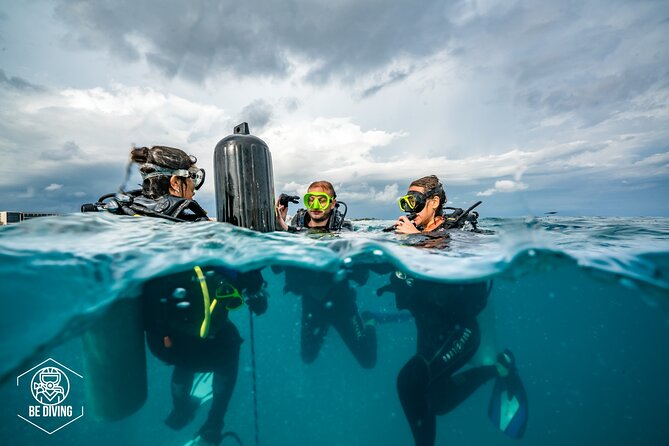
The instructor can make or break a first scuba course. Be Diving’s teaching team includes Jon, Cata, and Mariana, and the feedback points to a consistent approach: calm instruction, clear communication, and enough repetition for beginners to feel ready.
Jon is particularly associated with careful fundamentals. The focus on trim, buoyancy, and efficient kicking is useful even if you have no plans to become an expert. These skills help you conserve air, avoid coral, and stay more relaxed.
Mariana is praised for her patience and for helping students feel comfortable at every stage. That is important because confidence underwater does not arrive on a fixed timetable. Some people need extra time clearing a mask, controlling their position, or getting used to the regulator.
The private format helps here. Only your group participates, so the instructor can concentrate on your needs instead of managing a large mixed class. A private course does not guarantee a completely individual lesson, but it should give you more room to ask questions and request another explanation.
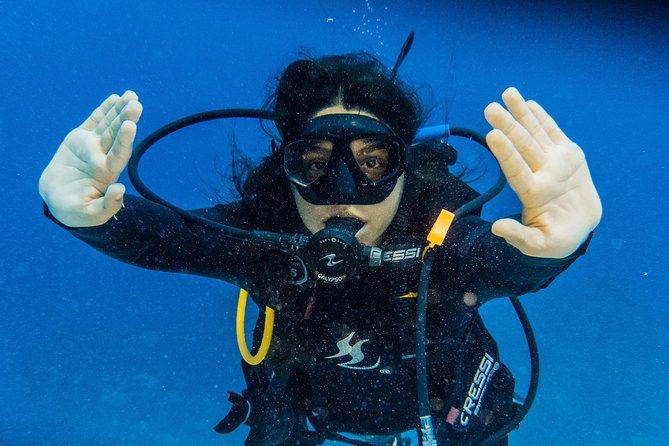
Communication underwater is another strong point. Before each session, the instructor explains its purpose. During the session, you receive guidance through underwater signals and demonstrations. Clear communication is reassuring for beginners and helps you understand why you are performing each skill.
The approach also seems designed to prevent dependence on the instructor. You are taught to understand your equipment and make sensible decisions, not simply to hold onto a guide and follow along. That is exactly what you want from a certification course.
Cozumel location, Playa del Carmen details, and meeting points
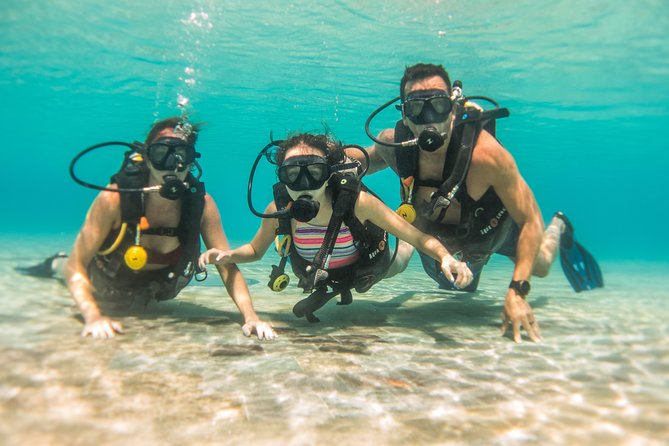
The tour information lists San Miguel de Cozumel, Quintana Roo, as the start and end point. The ticket redemption point is listed at 10 Avenida Nte. 173-5, Gonzalo Guerrero, 77710 Playa del Carmen, so the location details deserve attention before booking.
This may reflect the provider’s operations around both Playa del Carmen and Cozumel. Some course arrangements begin with pool instruction in Playa del Carmen, visit Casa Cenote, and finish with ocean work in Cozumel. Do not assume that every booking begins at the same place simply because the product is described as a Cozumel course.
The activity is near public transportation, but the supplied information does not specify the exact transfer schedule or whether every transfer is included. Confirm where you need to meet on each day, especially if you are staying in Playa del Carmen or another nearby town.
The course ends back at the meeting point. That is helpful when planning the rest of your day, but do not book a tight onward connection until you know the daily timing. A course involving equipment, water sessions, and possible ferry travel needs some breathing room.
Who should choose the two-day or three-day format
The two-day option suits people with limited holiday time and enough flexibility to complete theory before arrival. It also works best if you are comfortable learning at a steady pace and do not need many repeated practice sessions.
The three-day format is likely the better choice for a first-time scuba participant who wants less pressure. You have more time to absorb the theory, repeat skills, and become comfortable before the reef sessions. The extra day may also help if weather or group scheduling affects the open-water plan.
The course is a good match for:
- First-time scuba participants who want full certification
- Couples or friends who prefer a private group
- People who value careful buoyancy and reef-friendly habits
- Students who want online theory but in-person practical instruction
- Anyone planning to scuba in other destinations after Mexico
It may not suit you if you only have a few spare hours, dislike structured learning, or want a purely scenic outing. The course has a clear training purpose, and certification depends on completing the required phases rather than simply showing up for an ocean session.
What to clarify before booking
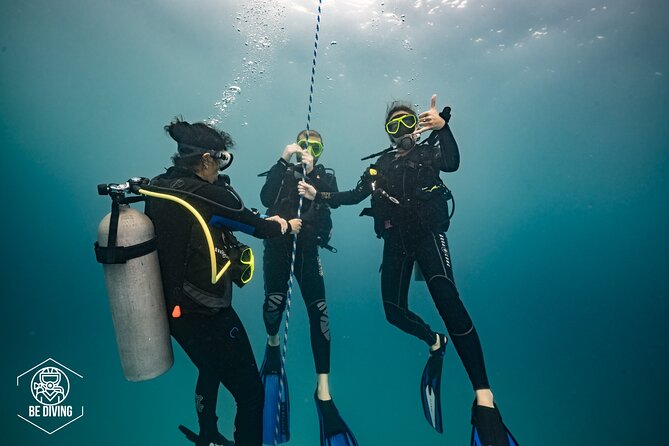
Ask which days will be spent in Playa del Carmen, Casa Cenote, and Cozumel. The supplied information supports several possible arrangements, so the exact plan matters for accommodation, ferry timing, and daily transport.
Confirm whether you will study theory online or in class, and ask when the online portion must be completed. Finishing it early may make the in-person schedule easier, but you should still understand the material well enough to apply it.
Ask which instructor will lead your group. Jon and Mariana are specifically associated with positive teaching experiences, and knowing your instructor may help you choose the best fit. If you have anxiety, previous water concerns, or need more time with a skill, mention that at booking.
Also confirm what the $600 covers. The course description includes basic scuba equipment and instruction, while the information does not spell out every possible extra. Underwater photos or videos may be available for purchase, but they are not part of the stated price.
The cancellation terms are reasonable if you plan carefully. You receive a full refund when canceling at least 24 hours before the start time. Late cancellations and late changes are not refunded, while poor weather or failure to reach the minimum group size can lead to a new date or a full refund.
Should you book Be Diving’s Open Water course?
I would choose this course if your goal is a real scuba qualification rather than a quick introduction. The best reasons are the patient instruction, private-group setting, small-pool practice, and serious attention to buoyancy and marine conservation.
The $600 price is easier to justify if you will use the certification again. It is less attractive if you only want one short underwater outing. In that case, ask about a simpler introductory option instead.
Choose the three-day schedule if you are nervous or want time to practice. Choose two days only if you can prepare the theory in advance and are confident you will not feel rushed. Before booking, confirm the meeting location and exact route between Playa del Carmen and Cozumel.
For a beginner who wants to leave Mexico with sound habits rather than just a certificate, this course is a strong choice. The reef is the reward, but the careful training is what makes the experience worthwhile.
FAQ
Where does the Open Water course take place?
The course is based around Cozumel, Mexico, with San Miguel de Cozumel listed as the start and end point. Some arrangements may also include Playa del Carmen and Casa Cenote.
How long does the course take?
The course can be completed in two or three days, depending on your availability and the schedule.
What are the three main phases?
The course includes knowledge development, confined-water training, and open-water training.
Can I study the theory online?
Yes. You can choose online independent study or classroom instruction for the theory portion.
What equipment will I learn to use?
The course covers a mask, snorkel, fins, regulator, buoyancy control device, and tank.
Is this a private activity?
Yes. Only your group participates in the activity.
What fitness level is required?
Participants should have a moderate level of physical fitness.
Is the course offered in English?
Yes. The experience is offered in English.
Where is the ticket redemption point?
The listed ticket redemption point is 10 Avenida Nte. 173-5, Gonzalo Guerrero, 77710 Playa del Carmen, Quintana Roo, Mexico.
What happens if the weather is poor?
If bad weather causes cancellation, you will be offered a different date or a full refund.
What is the cancellation policy?
You can cancel at least 24 hours before the start time for a full refund. Cancellations or changes made less than 24 hours before the activity are not accepted for a refund.
Recently reviewed around Cozumel
- Off Road ATV Tour with Caverns, Cedral & Beach Time with Transfer★ 4.5 · 39 reviews
- Private Shuttle from Inside Cozumel Airport to hotels in Cozumel★ 4.5 · 182 reviews
- ATV and Clear Boat Ride Full Experience in Cozumel★ 4.5 · 111 reviews
- Half-Day Island Tour with Mayan Experience & Beach Break★ 4.5 · 101 reviews
- Ticket to Wrestling Show without lining up★ 5.0 · 110 reviews
- Cielito Cozumel: Mexican Caribbean Snorkeling Tour★ 4.5 · 83 reviews
- VIP Private Glass Bottom Boat and Snorkeling, 3 Reefs in Cozumel★ 4.5 · 43 reviews
- Colombia, Palancar & Cielo Cozumel Snorkel Tour★ 4.5 · 57 reviews
Cozumel Tours, compared.
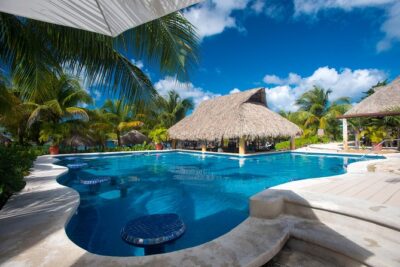
Mr. Sanchos Beach Club All-Inclusive Day Pass
Read our review →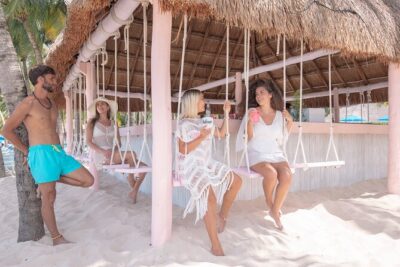
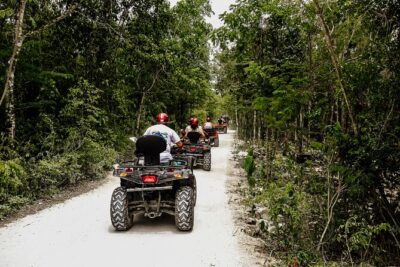
ATV 4×4+Snorkeling+Beach Club+ Lunch+Sabores de Cozumel
Read our review →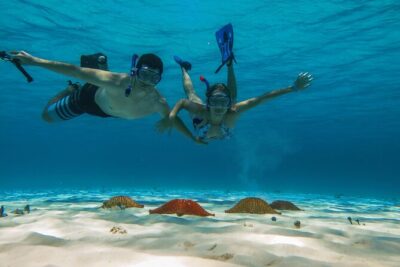
Cozumel Snorkeling Tour: Palancar, Columbia and El Cielo Reefs
Read our review →
Submarine Atlantis Cozumel Adventure by Day & Sunset
Read our review →
Private Jeep Excursion in Cozumel with Lunch and Snorkeling
Read our review →Browse the lists this tour appears in