
Reviewed · MEXICAN COOKING CLASSES
Traditional Mexican Cooking Class
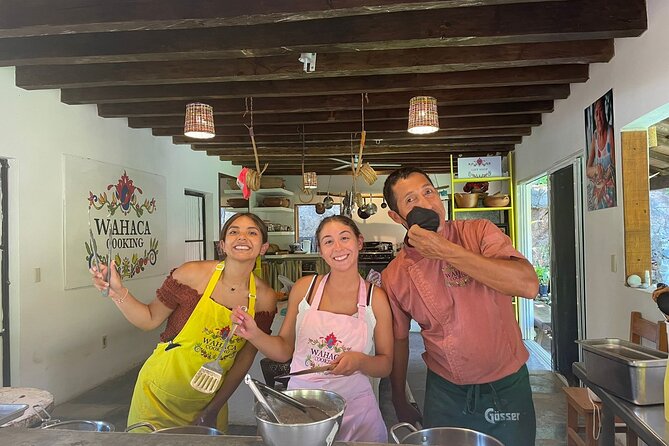
Huatulco’s best cooking lesson begins with a short ride to Playa La Bocana, where Alfredo and the Wahaca Cooking team teach you to make a meal from basic local ingredients. This is not a watch-the-chef demonstration. You chop, roast, mix, shape, cook, and then sit down to eat what you made.
I like two things right away: the small group size, capped at 12, keeps the class friendly and hands-on, and the food carries a real sense of place. You learn about corn, beans, squash, huitlacoche, local produce, and family traditions instead of simply following a generic taco recipe.
The main consideration is the three-hour estimate. Some sessions have lasted longer, especially when the group lingered over lunch and conversation. If you have a tight cruise schedule or an afternoon appointment, confirm the return timing before booking.
In This Review
- Key points to know before booking
- From your hotel to Playa La Bocana
- Chopping, roasting, and learning the local pantry
- Making tortillas and sopes by hand
- Roasted red salsa and salsa verde
- Empanadas filled with huitlacoche and squash
- Sitting down for lunch with margaritas
- Alfredo’s teaching style and language
- Who will get the most from this class
- Value, timing, and practical details
- Should you book the Wahaca Cooking class?
- FAQ
- Where does the cooking class take place?
- What time does the experience start?
- Is hotel pickup available?
- How long does the class last?
- What food will I prepare?
- Is the class offered in English?
- Will I receive the recipes afterward?
Key points to know before booking
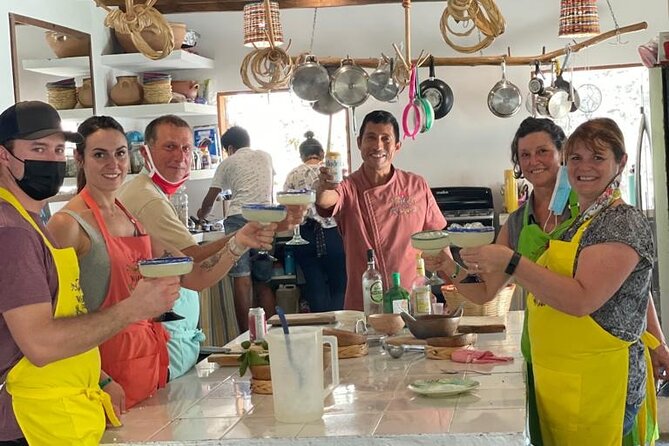
- La Bocana setting: The class takes place near one of Huatulco’s notable beaches, in an outdoor kitchen and dining area beside Alfredo’s family home.
- Hands-on cooking: You make corn tortillas, sopes, roasted red salsa, tomatillo salsa verde, and empanadas stuffed with huitlacoche and squash.
- Local food stories: Alfredo explains rural Mexican life, tortilla traditions, regional ingredients, and the way Huatulco has changed.
- A full shared meal: The class ends with the food you prepared, plus freshly made margaritas and hibiscus water during the cooking.
- English available: Alfredo teaches in English and Spanish, making the class easy to follow for English-speaking visitors.
- Simple planning: Hotel pickup is available throughout the Huatulco area, recipes are sent by email, and cancellation is free up to 24 hours before the start.
From your hotel to Playa La Bocana
Your morning begins with pickup at about 9:30 a.m. from hotels in the Huatulco area. That matters in Huatulco, where resorts and settlements are spread out rather than gathered in one compact center. A provided ride saves you the trouble of arranging a taxi and makes the morning easier for families, couples, and cruise passengers staying near the port.
The destination is Playa La Bocana. The beach is more than a backdrop for photographs. It gives the class a coastal Huatulco setting and helps connect the food lesson to local life. The kitchen and dining area are described as breezy and comfortable, with the family home next door.
That family connection shapes the mood. You are not being ushered through a polished hotel kitchen with a strict clock. You are cooking in a working local setting, close to Alfredo and his family. For some people, that is the heart of the experience. For others, it may feel less formal than a professional culinary school.
The group limit of 12 is a useful middle ground. You get enough people for a lively shared lunch, but the class should remain small enough for Alfredo to watch your tortilla shaping and answer questions. Solo visitors can join without needing to form their own group, while families and friends can work together without taking over the entire class.
More Huatulco trips worth a second look
- Street Food Cooking Class
★ 5.0 · 125 reviews - Seafood Cooking Class
★ 5.0 · 38 reviews - Cabo San Lucas Mexican Cooking Class Experience and Local Markets
★ 5.0 · 915 reviews
Chopping, roasting, and learning the local pantry
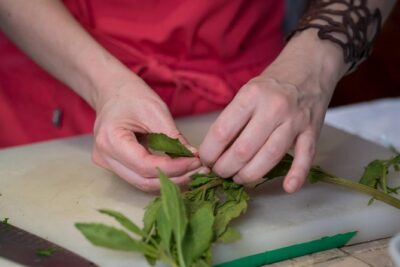
Once you arrive, the class gets moving quickly. You can expect to chop, dice, cube, mix, and prepare ingredients rather than sit through a long introduction. Hibiscus water is served while you work, giving you something cool and tart to sip as the kitchen fills with activity.
The teaching goes beyond measurements. Alfredo explains the ingredients and the customs linked to the dishes. You hear about plants, fish, produce, beans, corn, and the food traditions of rural Mexico. He also shares stories about growing up in Huatulco and how the area has changed.
That context gives ordinary ingredients more meaning. Corn dough is not just a base for an empanada. It connects to one of Mexico’s most important food traditions. Tortillas are not just a side dish. The class explains tortilla-making and the place it holds in family life.
Huitlacoche may be new to many visitors. This corn fungus is prized in Mexican cooking for its earthy flavor, and here it forms part of the creamy filling for the empanadas. You also work with squash and Mexican-style vegetables, giving the menu a useful balance of familiar and less familiar foods.
The ingredient lessons are especially helpful if you cook at home. Alfredo explains how fruits, vegetables, and beans work together, and the recipes are sent by email after the class. That final detail matters. You are not left with only a pleasant memory and a vague idea of what you ate.
Making tortillas and sopes by hand
The tortilla lesson is one of the most practical parts of the morning. You work with corn dough, shape it, and learn how to get the tortilla thin and even enough to cook properly. The class jokingly frames this as reaching a marriageable level, but the useful point is simple: you leave with a better feel for a staple that is easy to underestimate.
Making tortillas by hand can be harder than it looks. The dough needs the right texture, and the shape takes practice. Alfredo keeps the lesson approachable, helping you understand the process rather than expecting perfect results on your first attempt.
You also prepare sopes. These small, thicker corn bases are topped with refried beans and queso fresco. The work teaches a different texture from the tortillas and shows how one basic corn dough can become several different foods.
This is a good activity for mixed skill levels. You do not need to be a cook. Several class descriptions make clear that beginners are welcome, and the format gives you something useful to do at every stage. Children who are old enough to take part can help with shaping, mixing, and assembly, although the supplied details do not specify a minimum age.
The class can also accommodate dietary needs in at least some cases. A vegan participant received help with refried beans and tortillas. If you need a special diet, tell the provider when booking so the kitchen can confirm what changes are possible.
Roasted red salsa and salsa verde
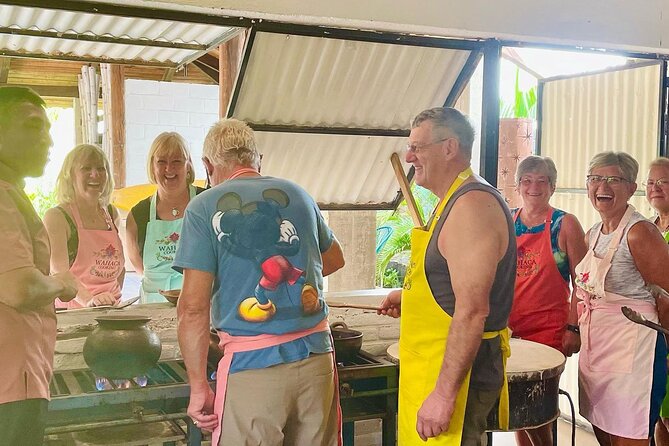
The salsa section brings heat, color, and a little friendly debate to the table. You prepare a roasted red salsa and a green tomatillo salsa. The two sauces show how different ingredients and cooking methods create distinct flavors.
Roasting adds depth to the red salsa, while tomatillos give the green version its bright, tart character. You take part in the preparation instead of receiving two finished bowls with no explanation. That makes it easier to repeat the recipes at home.
Salsas are also where the lesson becomes personal. You can taste and adjust as you go, learning how the balance changes with heat, acidity, and roasted ingredients. The available information does not state the exact chili varieties or spice level, so you should ask Alfredo about them if you want to recreate the sauces precisely.
The class has a relaxed social rhythm. People work in groups, compare results, and keep talking while ingredients are prepared. You are likely to spend as much time learning how a dish fits into Mexican meals as learning the dish itself.
A different kind of day out, same stretch of Mexico:
- Tour to Copalitilla Magical Waterfalls from Huatulco with admission included
★ 5.0 · 359 reviews - Full Day Tour of the Bays of Huatulco
★ 4.5 · 217 reviews - Kayak Huatulco Sunrise
★ 5.0 · 166 reviews - Ocean Eco Adventure with Marine Biologist Guides
★ 5.0 · 149 reviews
Empanadas filled with huitlacoche and squash
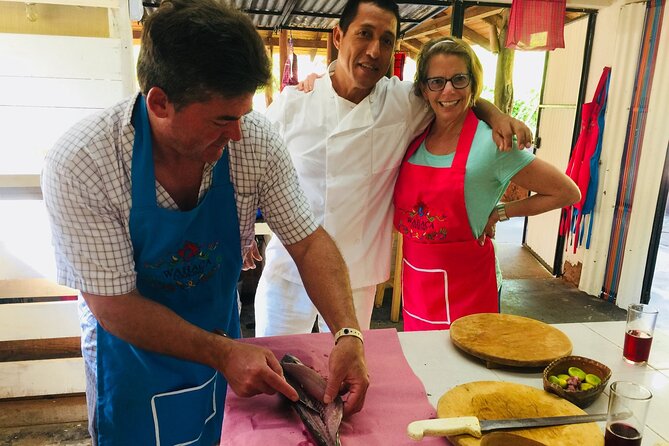
The main dish is a corn dough empanada filled with creamy huitlacoche and squash a la mexicana. This is the most distinctive item on the menu because huitlacoche is not an ingredient most visitors encounter in everyday North American cooking.
You shape the dough, add the filling, seal the empanada, and cook it as part of the group effort. The process gives you a clear sense of how much work goes into a dish that may look simple on the plate.
The filling should appeal to adventurous eaters, but it may be less comfortable for someone who prefers familiar ingredients. That is not a flaw. It is one reason to choose this class over a standard tourist meal. You get a chance to try a food tied to Mexican agriculture and cooking rather than another predictable restaurant plate.
The menu has changed at times. Some sessions have included tacos or tamales, and one class focused on making several kinds of tacos from scratch. The exact dishes may depend on the day, season, or group arrangement, so treat the listed menu as the planned example rather than a guarantee of every preparation.
Sitting down for lunch with margaritas
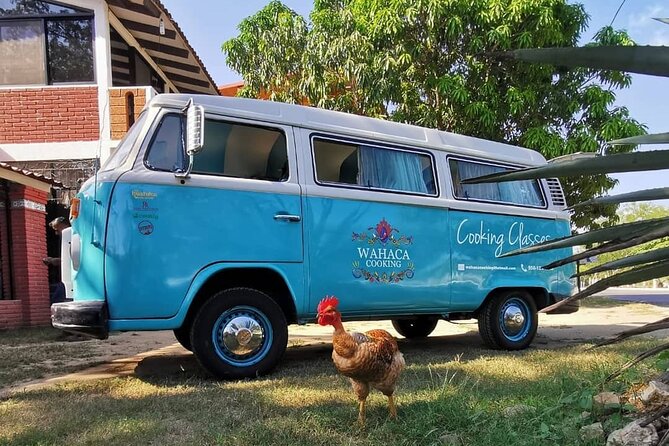
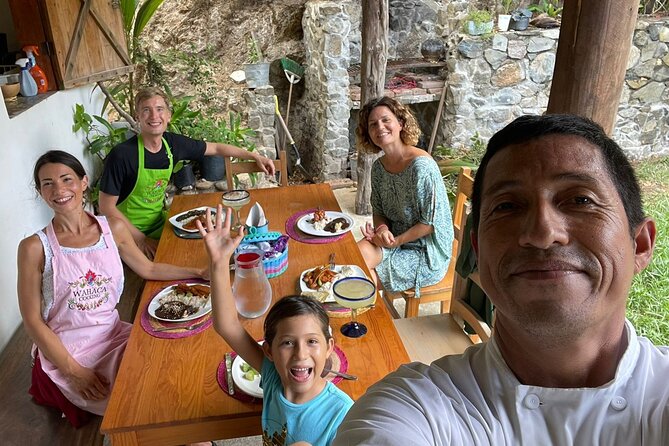
When the cooking is finished, everyone sits together and eats the meal prepared during the class. This shared lunch is an important part of the design. You are not rushing away after the final dish or receiving a small sample. The food becomes the main meal of the morning.
Freshly made margaritas are prepared from scratch for the meal. Hibiscus water is served earlier while you cook. The combination gives the class a festive feel, though anyone who does not drink alcohol should confirm what nonalcoholic options are available beyond the hibiscus water.
The dining area beside the kitchen keeps the transition simple. You can continue asking questions about the dishes, compare your tortillas, and talk with the rest of the group. Some visitors have described spending close to five hours when cooking, eating, and conversation stretched beyond the advertised three-hour estimate.
That difference is worth planning around. The official duration is approximately three hours, but a cooking class has natural pauses. If lunch turns into a long social gathering, the return ride may come later than expected. Ask about the likely finish time if you need to catch a ship, tour, or flight.
Alfredo’s teaching style and language
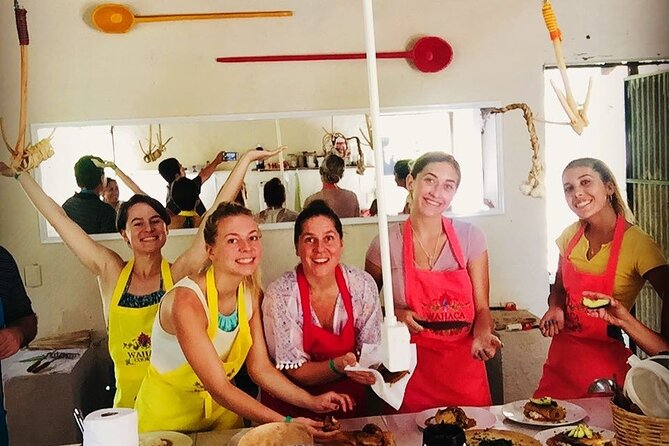
Alfredo is the central personality of the class. He teaches in English and Spanish and combines cooking instruction with stories about food, family, Huatulco, and local customs. His multilingual approach helps mixed-language groups take part without making the lesson feel divided.
His strongest role is not just chef. He acts as a guide to the region’s food culture. You can ask about ingredients, traditional techniques, plants, fish, produce, and the way rural communities cook. He also offers travel ideas, according to the experience details provided by past participants.
One supplied account names Antonio as the teacher, while most of the detailed descriptions identify Alfredo. The provider is Wahaca Cooking Classes, and Alfredo appears to be the main host, but you may want to confirm the instructor when you book.
The class works well for people who enjoy asking questions. If you want a perfectly timed cooking show with no side conversation, this may feel loose. If you like food explained through personal stories, the relaxed pace is a major advantage.
Who will get the most from this class
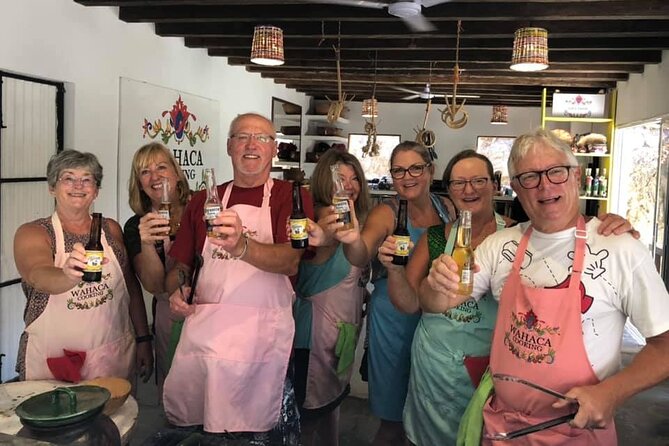
I would choose this experience for several kinds of visitors:
- First-time cooks: You get direct help with dough, tortillas, sopes, salsas, and fillings.
- Food-focused visitors: Huitlacoche, tomatillos, squash, beans, and corn offer more than a routine taco lesson.
- Families with older children or young adults: Everyone can take a role, and the shared meal gives the group something to enjoy together.
- Solo visitors: The small class and communal lunch make it easy to meet people without booking a private activity.
- Couples and friends: The cooking, drinks, and meal create a social morning with a clear activity at its center.
- Visitors interested in Oaxaca and Huatulco: Alfredo’s stories connect the food to local traditions and changes in the area.
It may be less suitable if you need a very short outing, dislike group activities, or want a class devoted only to advanced technique. The menu also includes ingredients that may be unfamiliar, so tell the provider about allergies or dietary restrictions before you arrive.
Value, timing, and practical details
No tour price is provided here, so I cannot call it a bargain or compare its cost with other Huatulco activities. The value depends on what the final price includes, but the package combines hotel transport, instruction, ingredients, a full shared meal, hibiscus water, margaritas, and emailed recipes.
That is more useful than paying only for a demonstration. You spend the morning learning skills you can repeat, eating the result, and hearing about the culture behind it. For a visitor who would otherwise pay for transportation, lunch, and a separate cultural activity, the combined format may make good sense.
Pickup is offered from hotels across the Huatulco area. The experience also lists access near public transportation, though the provided details do not explain the exact route or stop. Service animals are allowed.
You receive confirmation at booking. Free cancellation is available if you cancel at least 24 hours before the local start time. Within 24 hours, the payment is not refunded, and changes are not accepted. The class requires a minimum number of participants, so if the provider cancels for that reason, you are offered another date or experience, or a full refund.
Should you book the Wahaca Cooking class?
Book it if you want to do more than eat Mexican food in Huatulco. You will make the food yourself, learn why corn and tortillas matter, try ingredients such as huitlacoche, and hear local stories from Alfredo in a family-linked setting near La Bocana.
I especially recommend it for first-time cooks, curious eaters, families with older children, and anyone who values a small group over a large resort activity. Before paying, confirm the instructor, the expected finish time, and any dietary arrangements. If your schedule allows room for a slow shared lunch, this is a thoughtful and useful way to spend a Huatulco morning.
FAQ
Where does the cooking class take place?
The class takes place at Wahaca Cooking near Playa La Bocana in Huatulco. The kitchen and dining area are adjacent to Alfredo and his family’s home.
What time does the experience start?
The stated start time is 9:30 a.m.
Is hotel pickup available?
Yes. Pickup is offered from hotels throughout the Huatulco area.
How long does the class last?
The experience is listed as approximately three hours. Some sessions may run longer when cooking, lunch, and conversation continue.
What food will I prepare?
The planned menu includes corn dough empanadas filled with creamy huitlacoche and squash a la mexicana, roasted red salsa, tomatillo salsa verde, tortillas, and sopes with refried beans and queso fresco.
Is the class offered in English?
Yes. The experience is offered in English, and Alfredo is described as teaching in both English and Spanish.
Will I receive the recipes afterward?
Yes. The recipes will be sent to you by email after the class.
Recently reviewed around Huatulco
- Turtle Release Escobilla Sanctuary and crocs in Ventanilla.★ 4.5 · 45 reviews
- Waterfall Experience★ 5.0 · 70 reviews
- Huatulco Airport: Shared Transfer to/from Huatulco Hotels★ 4.5 · 60 reviews
- Huatulco: Private Transfer Airport – Hotels★ 4.5 · 93 reviews
- 3 Levels of Huatulco the coffee you’ve been looking for★ 5.0 · 43 reviews
- Tour in Huatulco and Playa La Entrega★ 5.0 · 30 reviews
- Private One-Way or Roundtrip Transportation to Huatulco Hotels★ 4.5 · 32 reviews
- Seafood Cooking Class★ 5.0 · 38 reviews
Mexican Cooking Classes, compared.
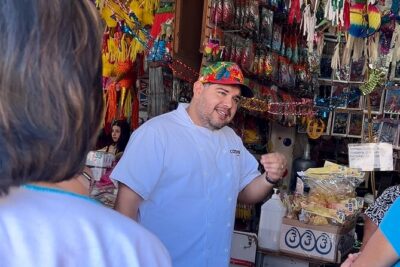
Cabo San Lucas Mexican Cooking Class Experience and Local Markets
Read our review →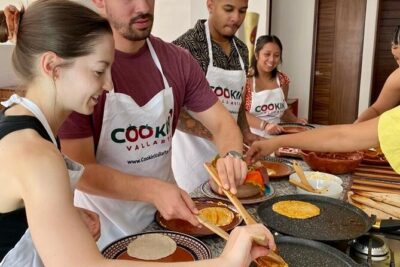
Puerto Vallarta Cooking Class Experience with Market Tour
Read our review →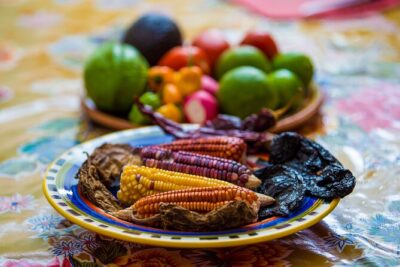
Mexican Cooking from Scratch in a Local Home in Tulum
Read our review →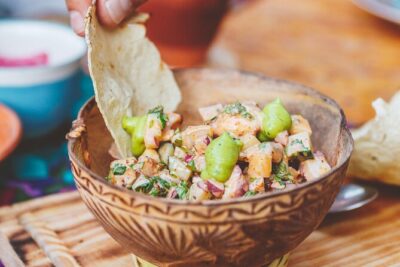
Mexican Cooking Class with Food Market Visit in Mexico City
Read our review →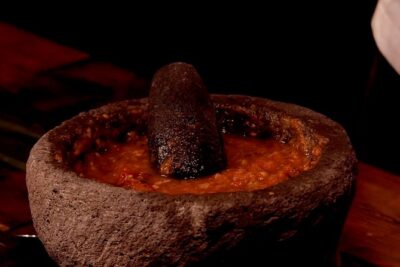
Flavors of Oaxaca: Cooking Class with No Set Menu and Local Market Tour
Read our review →
Browse the lists this tour appears in