
Reviewed · DRINKING TOURS
Bean to Bar Chocolate Workshop in Puerto Vallarta
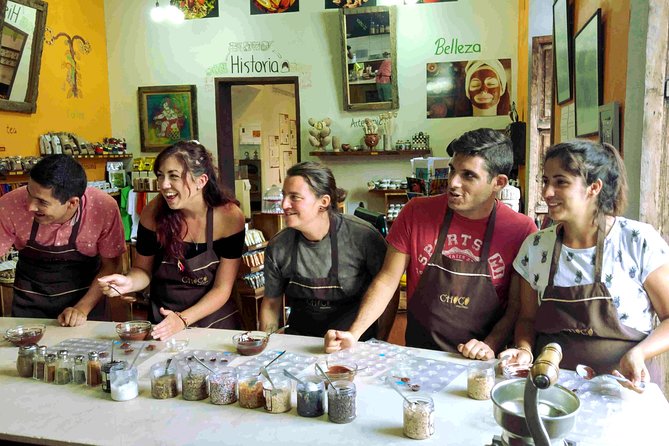
The best part of this Puerto Vallarta activity is that you do not simply taste finished chocolate. You follow cacao from bean to bar, learning how the Olmecs, Maya, Aztecs, and Europeans used it before making your own chocolate with spices and toppings. Rodrigo, Martin, Elias, and Zoar are among the guides praised for making the lesson lively and easy to follow.
I like the hands-on pace, especially the chance to roast cacao beans, prepare cocoa tea, sample different chocolate drinks, and mold your own bars. I also like the small groups, capped at eight people, and the way the workshop works for both children and adults.
The main drawback is practical: Puerto Vallarta can be hot and humid, and the class takes place upstairs on counter-height stools. Air conditioning is used during the workshop, but anyone sensitive to heat or uncomfortable with stairs should plan ahead.
In This Review
- Key Things to Know Before You Book
- Following Cacao From Farm to Chocolate
- A Short History of Cacao in Mexico
- What Happens During the Two-Hour Workshop
- Why the Small Group Size Helps
- The Guides Make the Difference
- Is the $62.90 Price Worth It?
- Getting to ChocoMuseo in Centro
- Heat, Seating, and Accessibility Notes
- Who Will Enjoy This Most?
- Booking and Cancellation Details
- Should You Book the Bean to Bar Workshop?
- FAQ
- Where does the Bean to Bar Chocolate Workshop take place?
- How long does the workshop last?
- What language is the workshop offered in?
- What is included in the price?
- Is transportation included?
- What is the minimum age?
- How many people can join the workshop?
- Can I cancel for a full refund?
Key Things to Know Before You Book
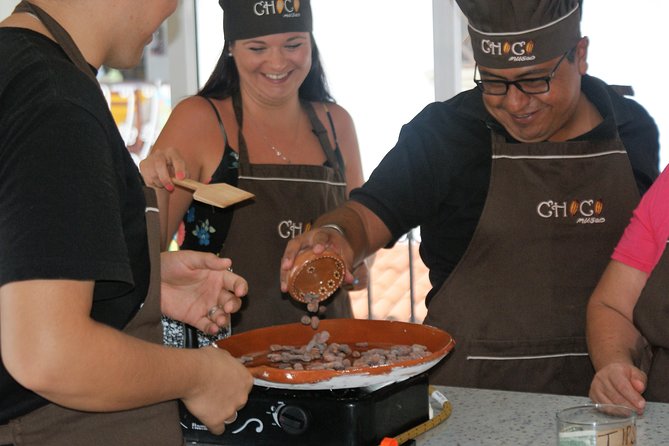
- The chocolate-making is hands-on: You roast beans, work with cacao, choose toppings, and make chocolate to take home.
- The lesson connects food with Mexico: The guide explains cacao use among the Olmecs, Maya, and Aztecs, along with its later European development.
- The group is small: A maximum of eight people allows the guide to help with the practical steps.
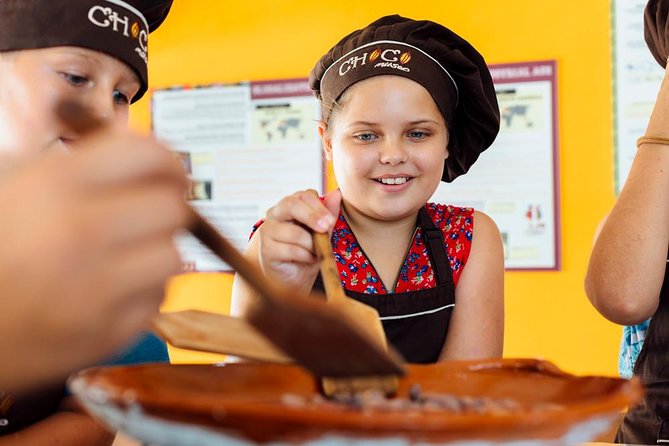
- Children can join: The workshop is open to anyone age five and older, and the class has kept children as young as five engaged.
- The full visit takes about two hours: Plan extra time if you want to browse the shop and try samples before or after class.
- You arrange your own transport: The meeting point is ChocoMuseo Puerto Vallarta in Centro, and the activity ends there.
Following Cacao From Farm to Chocolate
This workshop works because it tells a clear story. You begin with cacao, the seed at the center of chocolate, and finish with a bar made to suit your own taste. Along the way, the guide explains where cacao grows, how the bean is handled, and how it changes into the chocolate familiar to you.
The museum visit is not just a quick talk before a tasting. The two-hour session combines explanation, samples, and practical work. That mix matters. A history lesson can feel dry when you are only looking at displays, while chocolate-making can feel shallow if you never learn why cacao matters. Here, the cultural background gives the food more meaning.
The English-speaking guide leads the group through the process. Guides named in the class information include Rodrigo, who is often called Rod, Martin, Elias, and Zoar. Their teaching styles differ, but the repeated strengths are clear: humor, patience, enthusiasm, and an ability to keep children and adults involved at the same time.
You will wear an apron and hat during the workshop. Cocoa beans, chocolate, and toppings are supplied, so you do not need to bring ingredients or equipment.
More Puerto Vallarta trips worth a second look
- Finca 18 Puerto Vallarta Tequila Tour + Chocolate Pairing
★ 5.0 · 393 reviews - Puerto Vallarta: Bean to Bar Chocolate Workshop
★ 4.9 · 41 reviews - Tour to Uxmal Kabah and Chocolate Museum from Mérida
★ 4.5 · 102 reviews
A Short History of Cacao in Mexico
Cacao has long been tied to Mexican culture, trade, ceremony, and daily life. The workshop places chocolate in the story of the Olmecs, Maya, and Aztecs, then follows its transformation after European contact.
The class does not treat chocolate as a modern candy alone. You learn about earlier ways of drinking and preparing cacao, then taste examples that show how the flavor changed over time. One class sequence included cocoa tea made from the shells, hot chocolate made with the bean, and several drinks showing cacao’s development into the chocolate most people know today.
That approach is useful because it gives you something to notice. Chocolate is not one fixed flavor. The preparation, sweetness, spices, and form all affect how it tastes. As you sample different products, you can compare the drinks instead of simply eating one piece after another.
I especially like this connection between Mexican history and an everyday food. It gives families a simple way to discuss the Maya, Aztecs, Spanish influence, and changing food traditions without turning the afternoon into a formal lecture.
What Happens During the Two-Hour Workshop
The exact order may vary with the guide and group, but the experience follows a bean-to-bar path.
You first learn where cacao beans grow and how they are transformed into chocolate. The guide explains the basic process and introduces the historical role of cacao. Visual material in the classroom helps support the talk, which is useful when you are learning several new terms and stages at once.
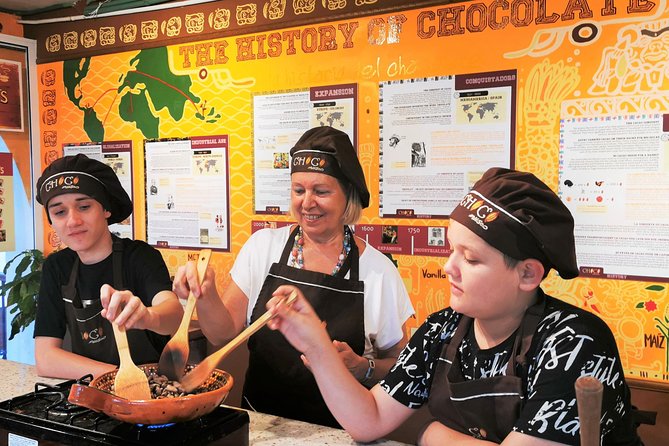
Next comes tasting and preparation. You may roast cacao beans, shell them, make tea from the shells, and try different hot cacao drinks. These tasks let you notice the work behind a finished chocolate bar. Cacao beans do not arrive tasting like a candy bar, and the class gives you a practical sense of how much handling and preparation is involved.
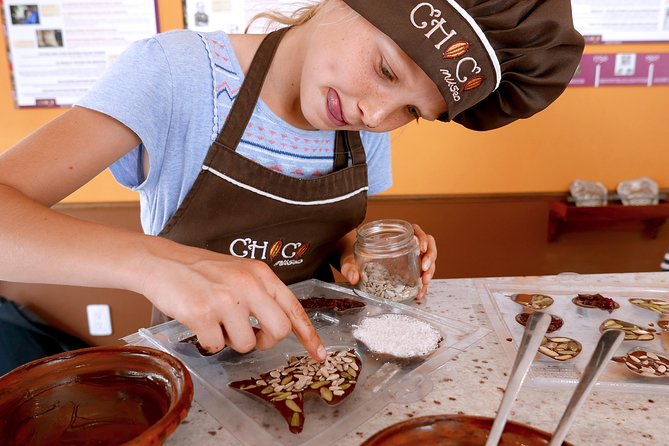
The final stage is the most playful. You make chocolate bars or molded chocolates and choose your own blend of spices, toppings, and other ingredients. The result is yours to take with you. This gives the workshop a proper finish, rather than ending with a lecture and a small sample.
The activity is participatory but not presented as a demanding cooking course. You should expect guidance at each step, with the instructor explaining what to do and helping the group keep moving. That makes it suitable for first-time chocolate makers.
Why the Small Group Size Helps
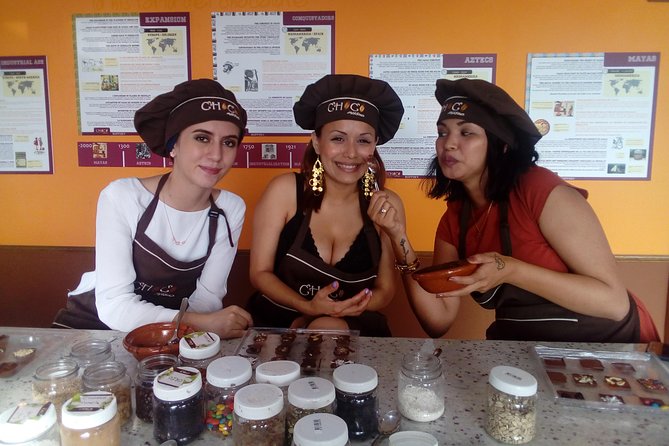
The group limit is eight people. That is a strong feature for a hands-on class, since everyone needs room to work and a chance to ask questions.
A small group also makes it easier for the guide to balance different ages and interests. A five-year-old may want to touch and taste everything, while an adult may care more about the history or production process. The best guides, including Rod and Elias, have been praised for handling both needs without letting the session lose its pace.
One family class had nine people in total, including four family members, which suggests the actual arrangement can occasionally be close to the stated maximum. Even then, the setting remains far more personal than a large demonstration.
If you are booking for a family, this format is a good fit. Children get real jobs to do, and adults are not left with a watered-down activity. The group atmosphere also helps solo participants and couples, since you are making something together rather than watching a private demonstration from the side.
A different kind of day out, same stretch of Mexico:
- Puerto Vallarta Best Zipline Canopy + Tequila and Speed Boat Ride
★ 5.0 · 3,786 reviews - Winner 2025 Downtown Vallarta Food Tour with Vallarta Food Tours
★ 5.0 · 3,738 reviews - Extreme Adventure, Wildest Bridge, ATV & Ziplines
★ 5.0 · 3,179 reviews - Mega Yacht ALL INCLUSIVE Yelapa Waterfall & Snorkeling Adventure
★ 5.0 · 2,515 reviews
The Guides Make the Difference
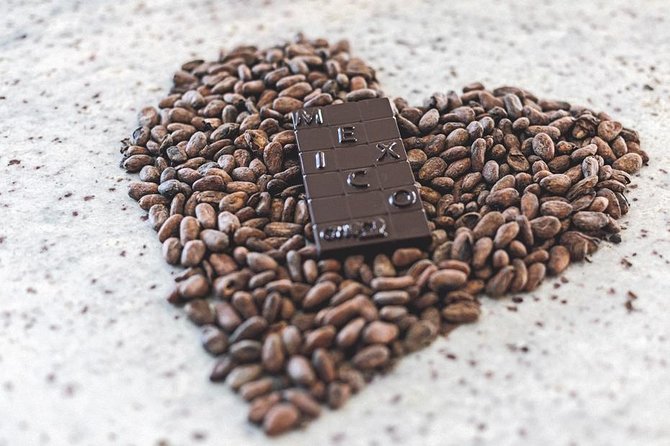
The ingredients are important, but the instructor shapes the experience. Rodrigo, known as Rod, is repeatedly described as funny, patient, polite, and good at including everyone. Martin is praised for his organization, humor, and clear explanation of how chocolate develops from start to finish.
Elias has led a chronological presentation, linking cacao’s past to the drinks and chocolate bars made in class. Zoar has been described as caring, enthusiastic, and particularly effective with families. These details matter because a two-hour workshop depends on the guide’s timing and personality.
You should expect a conversational lesson rather than a silent museum walk. The guides use samples, questions, jokes, and practical demonstrations to keep the class moving. That style is helpful in Puerto Vallarta, where a hot afternoon can make a long seated presentation feel slow.
The class is offered in English. Confirmation is provided when you book, and service animals are allowed. Most people can participate, but the workshop uses counter-height stools and includes stairs to the second floor.
Is the $62.90 Price Worth It?
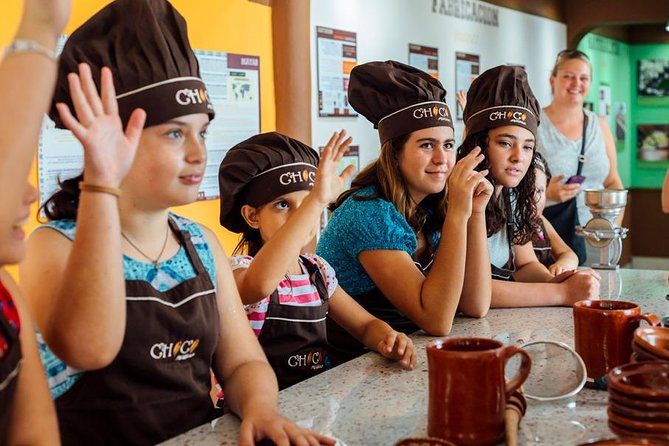
At $62.90 per person, this is not a bargain snack stop. You are paying for a guided museum visit, an English-language lesson, ingredients, tastings, an apron and hat, and the chocolate you prepare yourself.
I think the price is reasonable if you value an activity that combines food, culture, and participation. You get about two hours of structured time, not just a short sample at a shop counter. The small group also adds value, since the guide can give practical help as you work.
The price makes less sense if you only want to buy Mexican chocolate or sample a few sweets. ChocoMuseo has a shop where you can browse products and try free samples, but the workshop is designed as a class. You should book it for the making and learning, not simply for the amount of chocolate you carry away.
Tips are not included. If you enjoy the workshop, a customary tip of 15 to 20 percent for the teacher is suggested. Transportation is also not included, so you need to make your own way to the museum.
Getting to ChocoMuseo in Centro
The meeting point is ChocoMuseo Puerto Vallarta at Josefa Ortiz de Domínguez 128, Centro, Puerto Vallarta, Jalisco 48300. The activity begins and ends at the museum, near public transportation.
Since no hotel pickup is included, check the address and allow enough time to arrive. Getting there early may be worthwhile. One useful tip is to arrive a little before the class if you want to try shop samples and get settled before the workshop starts.
The museum has chocolate products for sale, but the shop staff are described as low-pressure. That makes it easier to browse without feeling that you need to buy something after class.
Heat, Seating, and Accessibility Notes
Puerto Vallarta’s heat deserves attention. One person left before the workshop because the upstairs area felt extremely hot during a humid afternoon. The museum’s response was that air conditioning is turned on about an hour before the workshop and kept on during the activity.
The practical advice is simple: confirm the class timing, arrive prepared for warm weather, and mention concerns before settling in. The workshop room uses counter-height stools, which may not suit everyone for a two-hour session.
There are stairs to the second floor with handrails. One family with a 91-year-old participant using a walker and an adult family member with significant disabilities reported being able to take part, but the available information does not establish full wheelchair accessibility. If you need specific accommodations, ask ChocoMuseo before booking.
Who Will Enjoy This Most?
Families are the clearest match. The minimum age is five, and the activity gives children enough tasting, handling, and decorating work to stay involved. Adults still get useful context about cacao’s place in Mexican culture, so the class does not feel like a children-only event.
Couples and friends can also enjoy it as a relaxed afternoon activity. It offers something different from a beach day, and the chocolate-making gives you a shared project without requiring advanced cooking skills.
It is also a good choice for anyone curious about Mexican food traditions. The Olmec, Maya, and Aztec connections give the experience more substance than a standard candy tasting.
I would be less likely to recommend it to someone who dislikes sweet foods, has difficulty sitting on a counter-height stool, or wants an in-depth professional chocolatier course. This is an accessible cultural workshop, not a certification class.
Booking and Cancellation Details
The experience is usually booked about 20 days ahead, so reserve early if your Puerto Vallarta schedule is tight. Mobile tickets are accepted, and confirmation arrives at booking.
You can cancel for a full refund up to 24 hours before the local start time. Cancellations or changes made inside that 24-hour window are not accepted for a refund.
Should You Book the Bean to Bar Workshop?
I would book this if you want a two-hour Puerto Vallarta activity that mixes Mexican culture with real participation. The strongest reasons are the small group, the clear bean-to-bar structure, the tastings, and the chance to take home chocolate flavored your way.
For families, it is one of the better indoor options for a hot afternoon, provided you are comfortable with the stairs and seating. Rod, Martin, Elias, and Zoar have each brought humor and care to the class, which is a good sign for anyone worried that children will lose interest.
Skip it if your main goal is a quick chocolate purchase or if $62.90 feels high for a food activity. But if you want to understand cacao, taste its different forms, and make something personal to carry home, this workshop earns its place on a Puerto Vallarta itinerary.
FAQ
Where does the Bean to Bar Chocolate Workshop take place?
It takes place at ChocoMuseo Puerto Vallarta, Josefa Ortiz de Domínguez 128, Centro, Puerto Vallarta, Jalisco 48300, Mexico.
How long does the workshop last?
The activity lasts approximately two hours.
What language is the workshop offered in?
The workshop is offered in English.
What is included in the price?
The price includes a museum guide, cocoa beans, chocolate, toppings, an apron, and a hat for use during the workshop.
Is transportation included?
No. Transportation to and from ChocoMuseo Puerto Vallarta is not included. The activity ends at the same meeting point where it begins.
What is the minimum age?
The workshop is open to participants age five and older.
How many people can join the workshop?
The maximum group size is eight people.
Can I cancel for a full refund?
Yes. You can cancel at least 24 hours before the experience start time for a full refund. Cancellations or changes made less than 24 hours before the start time are not refunded.
More Workshops in Puerto Vallarta
- Puerto Vallarta Cooking Class Experience with Market Tour
★ 5.0 · 698 reviews - Private Surf Lesson Experience at Puerto Vallarta
★ 5.0 · 115 reviews - Vallarta surf lesson with Pickup Included
★ 5.0 · 77 reviews - Cabo San Lucas Mexican Cooking Class Experience and Local Markets
★ 5.0 · 915 reviews
Recently reviewed around Puerto Vallarta
- Jungle Single ATV Tour “El Mirador”★ 5.0 · 59 reviews
- Bucerias Bike and Food Tour★ 5.0 · 173 reviews
- Sayulita/Punta Mita: Zip Lines with Ocean View★ 4.8 · 34 reviews
- Sayulita: Horseback Riding Tour★ 5.0 · 37 reviews
- Sayulita: Canopy Tours & Zip-line Adventure★ 4.8 · 89 reviews
- Sayulita: ATV Adventure Tour★ 5.0 · 44 reviews
- Puerto Vallarta: Mega Yacht Whale Watching Sunset Cruise★ 4.7 · 94 reviews
- Puerto Vallarta: Yelapa Mega Yacht Cruise★ 4.7 · 180 reviews
Drinking Tours, compared.
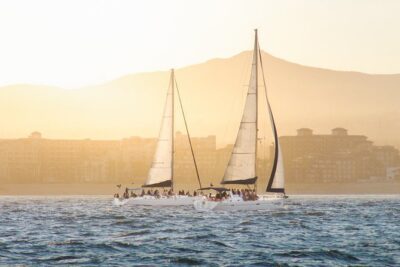
Los Cabos Luxury Sunset Sail with Light Appetizers and Open Bar
Read our review →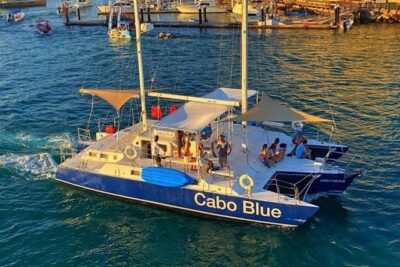
Cabo San Lucas Sunset Cruise with Open Bar and Snacks
Read our review →
Isla Mujeres Catamaran Tour with Snorkel, Open bar and Transport
Read our review →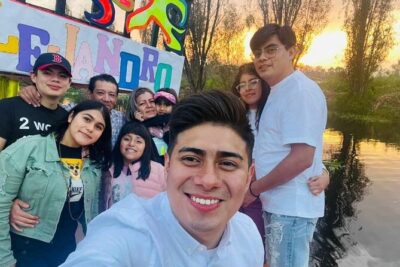
Xochimilco Barco Fiesta Tentacion 18+ with Open Bar and Tacos
Read our review →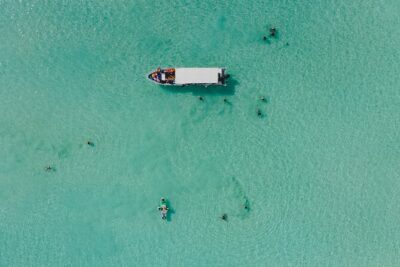
Bacalar Lagoon Sightseeing Boat Tour with Open Bar and Snacks
Read our review →
Lucha Libre Tickets & Tacos & Beer & Mezcal – BEST NIGHT EVER!
Read our review →
Half Day Cabo Snorkel Adventure with Lunch and Open Bar
Read our review →
Cancun Taco Tour, Local Beer and Night Market with Transportation
Read our review →Browse the lists this tour appears in