
Reviewed · WORKSHOPS
Chocolate and truffles workshop
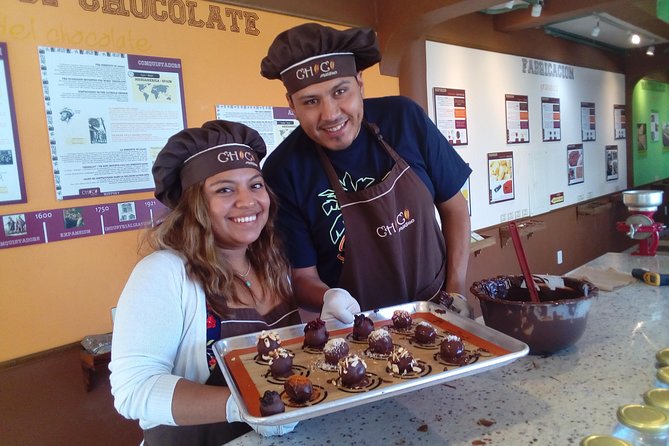
The best part of this Puerto Vallarta activity is that you do not just watch a chocolatier work. You make ganache, fill bonbons, shape truffles, add toppings, and leave with your own sweets. Guides such as Rodrigo and Zoar keep the class lively while explaining how cacao became part of Mexican food culture.
I like the hands-on format, and I like the generous amount of chocolate you can take home. The museum adds useful context before the making begins, so this feels like more than a sugar fix. The main drawback is that the class can run longer than the advertised two hours, and you may sit on stools for long stretches.
In This Review
- Key points to know before booking
- Making chocolate instead of just eating it
- Inside ChocoMuseo Puerto Vallarta
- Ganache, bonbons, and truffles
- How much chocolate will you take home?
- The instructors shape the experience
- Timing, comfort, and practical details
- What you actually learn about Mexican chocolate
- Who should book this Puerto Vallarta workshop?
- Should you book Chocolate and Truffles Workshop?
- FAQ
- Where does the Chocolate and Truffles Workshop take place?
- What time does the workshop start?
- How long does the workshop last?
- Is transportation included?
- What is included in the workshop?
- Can I take home the chocolates I make?
- What is the cancellation policy?
Key points to know before booking
- You make the chocolate yourself: The class covers ganache, filled bonbons, truffles, molding, tempering, and toppings.
- The group is small: A maximum of eight people allows the instructor to give personal help.
- Rodrigo and Zoar earn high marks: Both guides are described as patient, funny, encouraging, and clear.
- You take home your creations: The exact amount can vary, but some participants left with nearly two dozen chocolates or more.
- The museum comes first: You learn about cacao and Mexican chocolate before starting the workshop.
- Plan your route carefully: The museum is at Josefa Ortiz de Domínguez 128 in Centro, and transportation is not included.
Making chocolate instead of just eating it
Puerto Vallarta has no shortage of beach time, food tours, and sunset outings. This workshop gives you something different: a chance to sit down, work with chocolate, and make a souvenir that does not come from a standard gift shop.
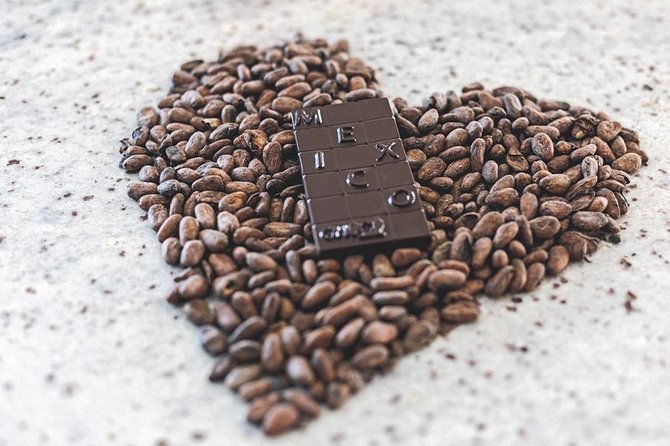
At ChocoMuseo, the activity begins with an introduction to cacao and chocolate. You get a look at how cacao beans are harvested, ground, and combined with other ingredients. The class then moves into practical work, with dark chocolate, ganache, molds, and toppings supplied for you.
I like this approach because the lesson has a clear purpose. The museum section gives you the background, then the workshop shows you what that knowledge means in the kitchen. You are not expected to stand back and watch. The instructor guides each stage and helps you avoid the common mistakes that can turn chocolate making into a sticky mess.
The experience is offered in English and starts at 10:30 a.m. It lasts about two hours, though one class was reported to take close to three hours. If you have a firm lunch booking, excursion, or ship departure afterward, leave a little breathing room.
More Puerto Vallarta trips worth a second look
- Finca 18 Puerto Vallarta Tequila Tour + Chocolate Pairing
★ 5.0 · 393 reviews - Bean to Bar Chocolate Workshop in Puerto Vallarta
★ 5.0 · 381 reviews - Chocolate Tour in Vallarta
★ 5.0 · 226 reviews
Inside ChocoMuseo Puerto Vallarta
The museum is located in central Puerto Vallarta, at Josefa Ortiz de Domínguez 128, Centro. That location makes it a practical stop if you are already spending time downtown, but transportation is not part of the price. You will need to make your own way there.
One visitor had trouble finding the venue after being dropped off by a taxi. The operator eventually helped and waited, but the episode points to a useful lesson: confirm the exact street address before leaving and allow time to get your bearings. The museum is near public transportation, and the meeting point is also the end point.
The museum itself is described as cute and chocolate-themed rather than large or formal. You should think of it as a compact introduction to cacao, not a major standalone museum visit. Its value comes from how it sets up the workshop.
You learn about cacao’s connection to Mexico and get a basic look at the path from bean to chocolate. The lesson may include grinding cacao, combining it with cream for dark chocolate, and discussing flavor additions such as cinnamon and liqueurs. That cultural and food context helps explain why Mexican chocolate is more than a sweet treat.
Ganache, bonbons, and truffles
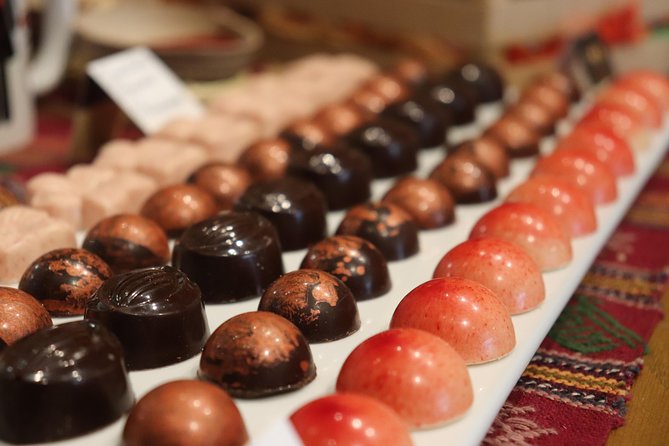
The central part of the class is the ganache. You work with chocolate and cream, then choose flavorings to create your filling. Available choices have included spices such as cinnamon and a range of liqueurs, including amaretto. The exact selection can vary, but the class gives you room to create different combinations.
This is where the small group matters. With no more than eight people, an instructor can help you pair flavors and answer questions without leaving you on your own. Rodrigo, also called Rod, is repeatedly praised for making the session funny, relaxed, and easy to follow. Zoar receives similar credit for patience, encouragement, and clear instruction. Rocky has also led the class.
You then use the ganache in filled chocolate bonbons. Molds, dark chocolate, and toppings are provided, and you get an apron and hat for the workshop. The protective clothing is useful, since the class is genuinely hands-on. Expect to handle chocolate rather than simply decorate one finished piece.
The truffle portion adds another texture and technique. You may work with prepared shells while they harden, then finish the truffles with toppings or flavored coatings. Some sessions also include a discussion of tempering chocolate, which explains how chocolatiers create a smooth finish and firm snap.
Do not expect professional pastry-school precision on your first attempt. That is not the point. The fun is in making something edible, trying different flavors, and seeing how much labor goes into handmade confectionery.
How much chocolate will you take home?
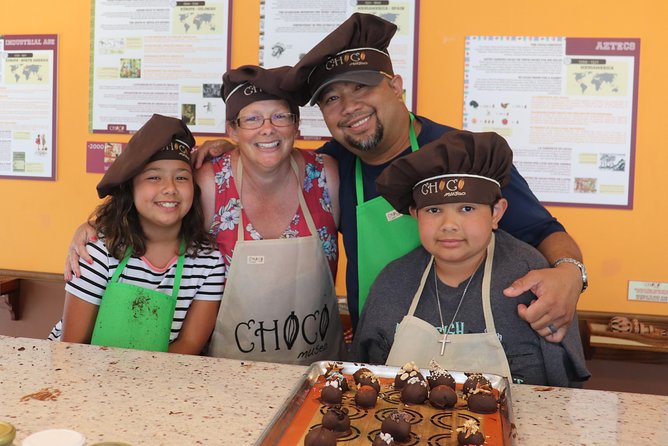
You receive the chocolates you make during the class. The amount depends on how the session progresses and how much you eat along the way, but the take-home portion can be surprisingly large.
One family reported still having more than 60 chocolates five days later. Another group left with almost two dozen truffles and bonbons. Those amounts are useful as a guide, but they should not be treated as a fixed guarantee.
This makes the $62.90 price easier to assess. You are paying for an approximately two-hour guided activity, museum access, ingredients, equipment, instruction, and a sizable edible souvenir. If you compare it with a simple tasting, the workshop costs more. If you compare it with a private cooking activity or a specialty food class, the hands-on time and take-home chocolate make the price reasonable.
The value is strongest for people who will actually participate. If you mainly want to sample chocolate and leave, a shop visit may suit you better. If you like learning by doing, the fee covers a full activity rather than a quick tasting flight.
The on-site factory outlet also gives you a 10 percent discount after the workshop. That can be useful if you want to buy additional chocolate or Mexican-themed products, but it is not a reason by itself to book the class.
A different kind of day out, same stretch of Mexico:
- Puerto Vallarta Best Zipline Canopy + Tequila and Speed Boat Ride
★ 5.0 · 3,786 reviews - Winner 2025 Downtown Vallarta Food Tour with Vallarta Food Tours
★ 5.0 · 3,738 reviews - Extreme Adventure, Wildest Bridge, ATV & Ziplines
★ 5.0 · 3,179 reviews - Mega Yacht ALL INCLUSIVE Yelapa Waterfall & Snorkeling Adventure
★ 5.0 · 2,515 reviews
The instructors shape the experience
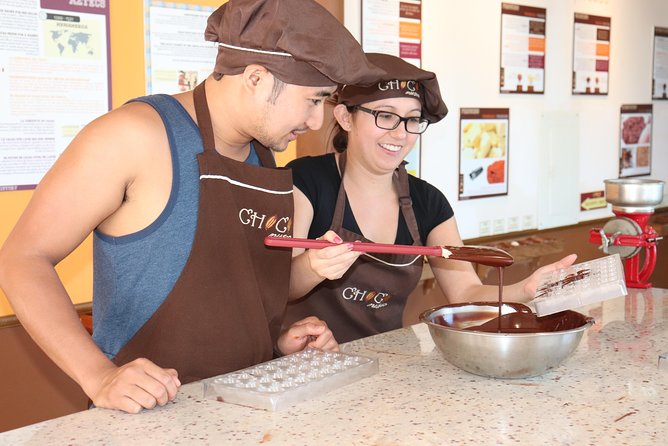
This workshop depends heavily on the person leading it. The most praised guides are Rodrigo and Zoar, with Rocky also receiving positive mention. Their shared strengths are clear explanations, humor, patience, and a willingness to help each person with flavor choices and technique.
Rodrigo has been described as giving individual attention even when teaching a family group. He explains the history of chocolate, demonstrates the process, and keeps the pace friendly. Zoar is noted for her positive attitude and for encouraging participants as they work through each task.
That matters because chocolate making can become confusing once several things happen at once. You may be filling molds, waiting for shells to set, choosing ganache flavors, and adding toppings. A good instructor turns those steps into a relaxed group activity.
The class is suitable for families, couples, friends, and solo visitors. A parent and 12-year-old child have enjoyed it together, and a family of five once had a particularly personal session when they were the only group present. The age suitability of younger children is not specified, so parents should use their own judgment.
Timing, comfort, and practical details
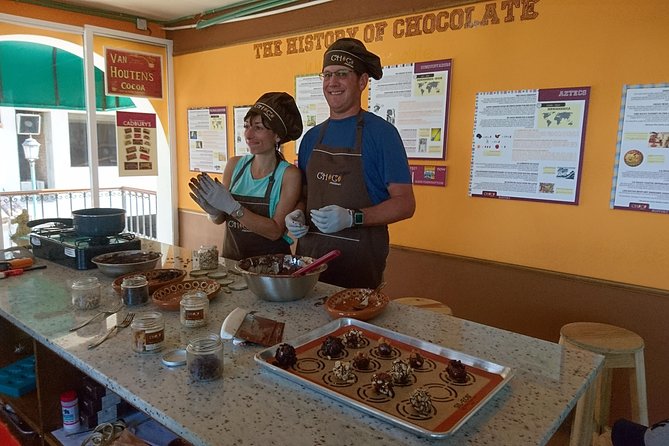
The workshop starts at 10:30 a.m. and ends back at the same central meeting point. It is listed as roughly two hours, but allow closer to three if you want to avoid rushing. Chocolate work has waiting periods, and the instructor may spend extra time answering questions or helping the group finish.
Several participants enjoyed taking home a large quantity of chocolate, but Puerto Vallarta’s heat creates a practical issue. One family was allowed to leave its chocolate at the shop during the day and collect it later. That arrangement was helpful, but you should ask the staff about storage rather than assume it is always available.
Wear something you do not mind getting messy. An apron and hat are included, but chocolate can still find its way onto your hands and clothing. The session involves sitting on stools for extended periods, so anyone with back, hip, or mobility concerns should keep that in mind.
The tour accepts mobile tickets, is offered in English, and allows service animals. It is near public transportation. The maximum group size is eight, although one booking problem once led to confusion when nine people were expected. That issue delayed the start and caused frustration, so check your booking details carefully and contact the operator promptly if your party changes.
You can cancel for a full refund up to 24 hours before the 10:30 a.m. start time. Changes or cancellations inside that window are not accepted, and the amount paid is not refunded. If you enjoyed the class, a customary 15 to 20 percent tip for the teacher is suggested.
What you actually learn about Mexican chocolate
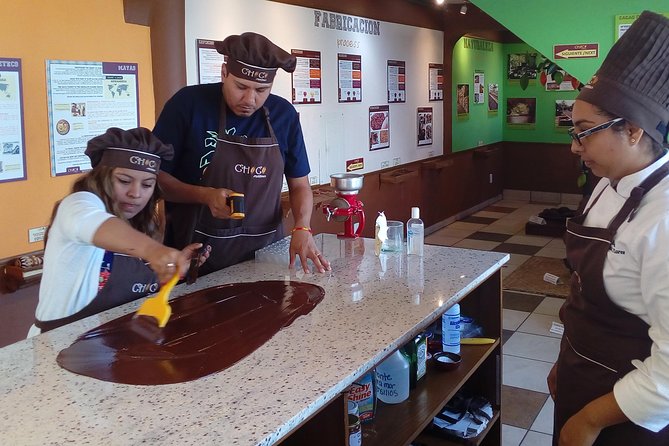
The workshop is not a formal history lecture, but it does give you a useful introduction to cacao’s place in Mexico. You learn about harvesting and the steps that turn beans into chocolate. The class also shows how spices and alcohol can change the flavor of a dark chocolate ganache.
That connection between culture and technique is one of the better reasons to book. You are not simply adding sprinkles to a candy. You see how cacao is processed, taste its bitter base, and then adjust it with cream, cinnamon, liqueurs, and other toppings.
The lesson can also change how you think about the price of handmade truffles. Tempering, molding, filling, and finishing take time. Once you have made your own, a box of high-end chocolates may seem less expensive than it did before.
The experience remains light and social. Expect laughter, tasting, and plenty of chocolate rather than a serious culinary certification. For most people, that balance is exactly right for a vacation activity.
Who should book this Puerto Vallarta workshop?
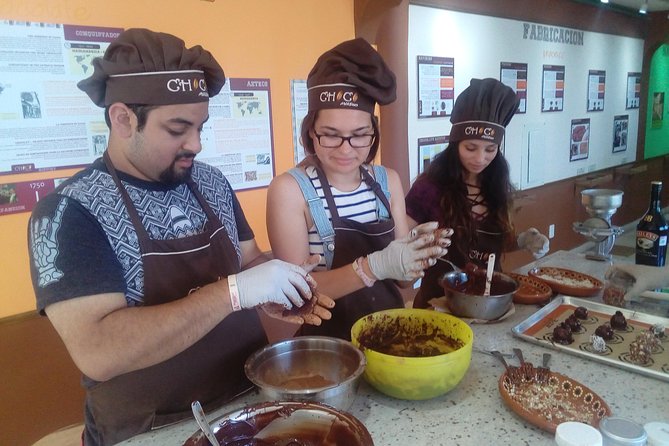
I would recommend it to chocolate lovers who want an activity with a clear souvenir at the end. It works especially well on a hot day when you need a break from the beach, or during a family trip when not everyone wants another outdoor excursion.
Couples can treat it as a shared activity, while friends can compare flavor combinations and creations. Families get a project that gives children a role, although long periods on stools may not suit every child.
It is also a good choice for repeat visitors who have already covered Puerto Vallarta’s main sights. The workshop takes place downtown, is short enough to fit into a day of sightseeing, and offers something more personal than buying a ready-made box.
I would hesitate if you dislike sweet foods, have a tight schedule, or want a polished professional cooking lesson. The class can run long, and your final chocolates may look homemade. That is part of its charm, but it is worth knowing before you pay.
Should you book Chocolate and Truffles Workshop?
At $62.90 per person, this is a fair-value activity if you want instruction, participation, and plenty of chocolate to carry away. The strong points are the small group, lively instructors such as Rodrigo and Zoar, the Mexican cacao background, and the fact that you make the bonbons and truffles yourself.
Book it for a relaxed morning, not as a quick stop between fixed appointments. Confirm the downtown address, arrange your own transport, allow extra time beyond two hours, and ask about keeping the chocolates cool if you plan to explore afterward.
If that plan suits you, I think this is one of the more memorable food activities in Puerto Vallarta. You learn a little, laugh a lot, and leave with a sweet souvenir you made with your own hands.
FAQ
Where does the Chocolate and Truffles Workshop take place?
The workshop takes place at ChocoMuseo Puerto Vallarta, Josefa Ortiz de Domínguez 128, Centro, Puerto Vallarta, Jalisco 48300, Mexico.
What time does the workshop start?
The activity starts at 10:30 a.m. local time.
How long does the workshop last?
The listed duration is approximately two hours. Some sessions may take longer, so allow extra time in your schedule.
Is transportation included?
No. Transportation to and from ChocoMuseo is not included. The museum is near public transportation.
What is included in the workshop?
The price includes a ChocoMuseo guide, dark chocolate, ganache, toppings, an apron, a hat, and a chocolate mold for use during the workshop.
Can I take home the chocolates I make?
Yes. You can take home the filled bonbons and chocolate truffles you make during the workshop.
What is the cancellation policy?
You can cancel at least 24 hours before the start time for a full refund. Cancellations or changes made less than 24 hours before the experience are not accepted and are not refunded.
Recently reviewed around Puerto Vallarta
- Zip Line for Cruise Ship Passengers, Puerto Vallarta Jungle Adventure★ 5.0 · 50 reviews
- Zip Line Canopy Jungle Adventure from Puerto Vallarta★ 5.0 · 43 reviews
- Yelapa and Majahuitas Snorkeling Cruise in Puerto Vallarta All Inclusive★ 4.0 · 89 reviews
- Whale Watching and Los Arcos 5 Islands Adventure★ 5.0 · 32 reviews
- Whale & Dolphin Watching Cruise in Puerto Vallarta All Inclusive★ 4.0 · 212 reviews
- Wild Dolphin Encounter & Snorkeling Adventure★ 5.0 · 147 reviews
- VIP Nightclub Tour in Puerto Vallarta★ 4.5 · 116 reviews
- Vallarta by Road Food Tour with Vallarta Food Tours★ 5.0 · 165 reviews
Workshops, compared.
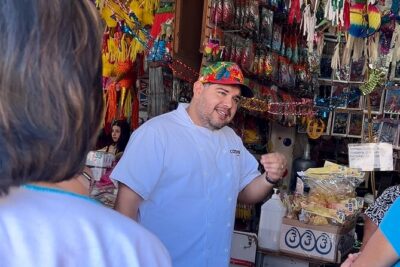
Cabo San Lucas Mexican Cooking Class Experience and Local Markets
Read our review →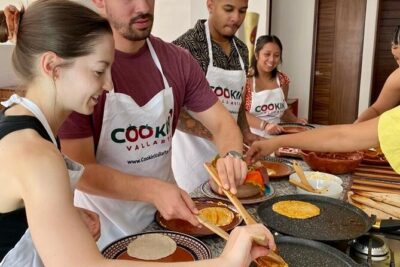
Puerto Vallarta Cooking Class Experience with Market Tour
Read our review →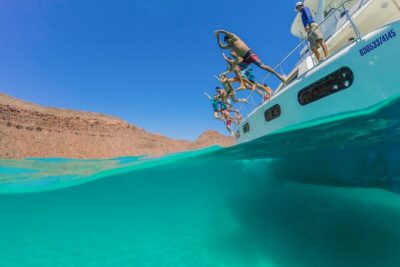
La Paz World Class Snorkeling in Balandras Hidden Beaches
Read our review →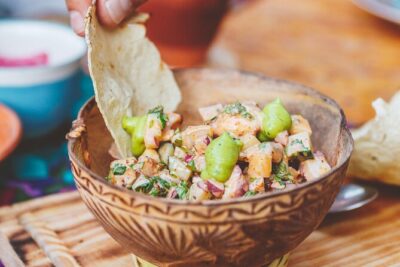
Mexican Cooking Class with Food Market Visit in Mexico City
Read our review →
Bean to Bar Chocolate Workshop in Puerto Vallarta
Read our review →
Browse the lists this tour appears in