
Reviewed · MUSEUMS
Chapultepec Castle & Anthropology Museum Tour
Mexico City packs centuries of history into two remarkable places. This five-hour tour takes you from Olmec stone heads and the Aztec Stone of the Sun to Chapultepec Castle’s royal apartments, giving you a clear route through a museum too large to tackle casually.
I like the way the guide connects pre-Columbian cultures with colonial rule, independence, and modern Mexico. I also like the practical pairing: the Anthropology Museum is flat and enormous, while the castle adds hilltop views, marble staircases, murals, and carriages. The tradeoff is time. You cover a lot on foot, and some people may find the museum portion rushed.
In This Review
- Key points to know
- Why these two museums work well together
- Starting with the Aztec Stone of the Sun
- What two and a half hours really means inside
- Crossing Chapultepec Park between the museums
- Climbing to Chapultepec Castle
- From colonial rule to revolution in the castle halls
- The value of $79 for a half-day
- What the strongest guides add
- Who should choose this tour
- Booking details worth knowing before you go
- Should you book the Chapultepec Castle and Anthropology Museum Tour?
- FAQ
- How long does the tour last?
- What is included in the $79 price?
- Where does the tour start and finish?
- Is much walking involved?
- Can I bring a backpack or food inside?
- What happens if I need to cancel?
Key points to know
- Two major sights in five hours: See the National Museum of Anthropology and Chapultepec Castle in one well-packed morning and afternoon.
- A guide filters the collections: The museum is vast, so you focus on major pieces such as the Aztec Stone of the Sun and Olmec heads.
- Castle access involves a climb: Chapultepec Castle sits on a hill, and the walking adds up to about 1.8 miles, or 3 kilometers.
- The guide makes the difference: Guides including Leonardo, Ligia, Gio, Antonio, Miriam, and Lili have received especially strong praise for clear storytelling and historical context.
- The group may shape your experience: The advertised maximum is 25 people, though a large group can make close viewing and questions harder.
- Pack lightly: Food, drinks, and backpacks are not permitted inside. Only a handbag is allowed.
Why these two museums work well together
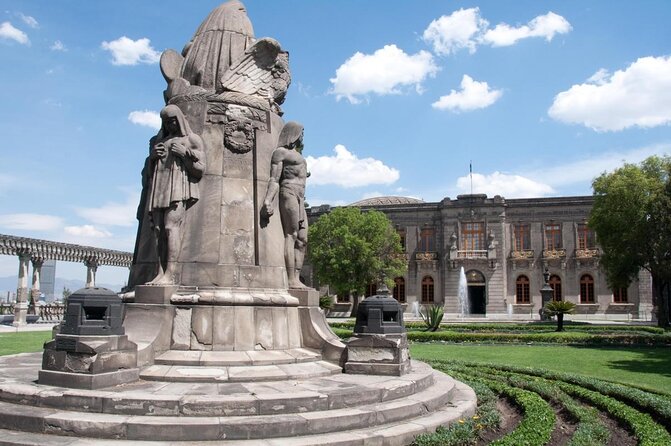
The National Museum of Anthropology and Chapultepec Castle sit within the same broad park area, but they offer very different experiences. The first is a huge, purpose-built museum of Indigenous cultures and archaeology. The second is a former royal residence and presidential home, now devoted to Mexican national history.
That contrast gives your day a useful rhythm. At the Anthropology Museum, you study objects made by civilizations that shaped Mexico long before Spanish rule. At the castle, you move through political change, foreign intervention, independence, and revolution in rooms once used by rulers and presidents.
I especially like this pairing for a first visit to Mexico City. You get a solid historical framework without spending your whole day in one building. The guide also helps you connect the pieces. The Aztec world is not treated as an isolated chapter, and the castle is not just a pretty viewpoint. Each stop adds another layer to the story.
Still, this is a highlights tour, not a complete museum visit. The Anthropology Museum alone can absorb a full day. If you like reading every panel, watching every English-language video, or studying smaller galleries, you may want to return on your own.
More Museum Tours in Mexico City
- CDMX: Xochimilco, Coyoacan, Frida Kahlo Museum & Murals Tour
★ 4.4 · 3,025 reviews - Frida Kahlo VIP [Museum Tickets Included] Bike, Markets & Churros
★ 5.0 · 1,072 reviews - Anthropology Museum Guided Tour
★ 4.5 · 1,035 reviews
Starting with the Aztec Stone of the Sun
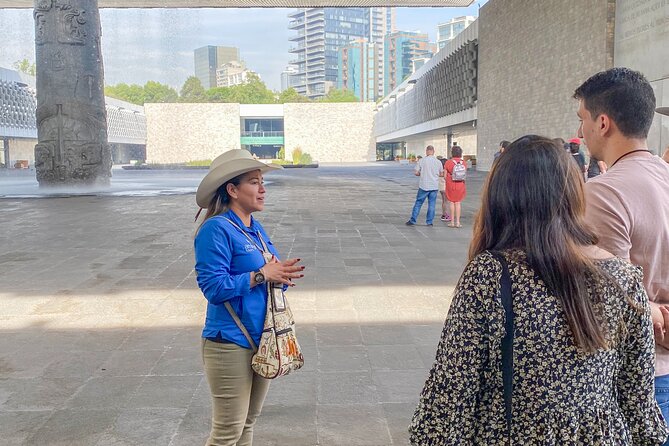
The tour begins at the Museo Nacional de Antropología on Paseo de la Reforma, beside Chapultepec Park. You spend about two and a half hours inside, with admission included.
The museum holds an enormous collection of Mexican art and archaeology. Without a plan, it is easy to wander from one display to another and leave with scattered impressions. A good guide gives you a route and selects the pieces that best explain Mexico’s cultural past.
The Aztec Stone of the Sun is the obvious anchor. This huge carved stone is often called the Aztec calendar, though that label oversimplifies its purpose and meaning. Guides commonly use it to explain Aztec ideas about time, ceremony, power, and the universe. One recent guide, Jonathan, was singled out for explaining the stone’s mysteries with particular enthusiasm.
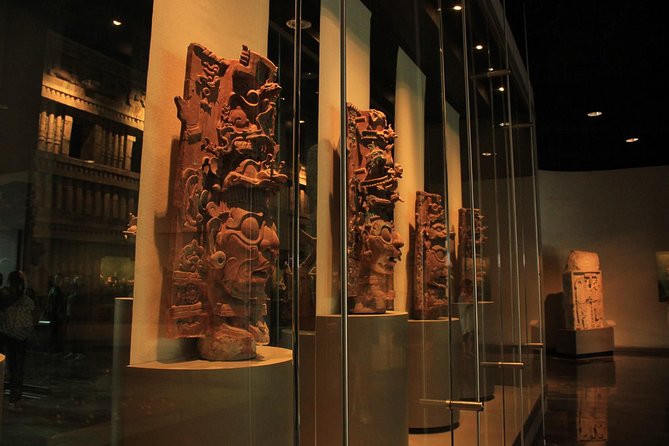
You will also see the famous Olmec carved heads, discovered in the tropical regions of Tabasco and Veracruz. Their scale and expression make them easy to remember, but the surrounding context matters just as much. Your guide can explain the cultural regions and Indigenous groups that contributed to the development of Mexico.
The museum also covers Maya and other Mesoamerican cultures. The strongest part of the visit is not simply seeing famous objects. It is hearing how the cultures relate to one another, where they developed, and how their traditions remain part of Mexico today.
What two and a half hours really means inside
Two and a half hours sounds generous until you enter this museum. You will be on your feet for much of the morning, and the guide may spend several minutes on one object before moving on.
That depth can be a strength. Guides such as Leonardo, Ligia, Gio, Antonio, Miriam, Nadia, and Lili have been praised for explaining difficult subjects in clear, engaging ways. Leonardo, in particular, is known for linking pre-Hispanic, colonial, and modern periods rather than treating each display as a separate fact.
It can also create a pacing problem. If your guide enjoys detail, you may see fewer galleries. One visitor felt Nadia spent too long on small points and would have preferred to cover more of the museum. Another found a large group and a two-hour museum visit too rushed, especially with limited time for the English videos inside.
That is the central choice here: depth or coverage. The tour favors a guided selection. You will not see everything, but you should understand more of what you do see.
The group normally uses headsets so you can hear the guide while moving through the galleries. This helps in a busy museum, though a large group can still make the experience feel less personal. The advertised maximum is 25 people, so ask yourself how much you value questions and quiet viewing. A private upgrade makes more sense if your party wants a slower pace or has a strong interest in archaeology.
Crossing Chapultepec Park between the museums
After the Anthropology Museum, the route continues through Chapultepec Forest toward the castle. The park covers about 810 hectares and is one of the largest urban parks in the Western Hemisphere.
This transition is more than a gap between appointments. It gives you a look at the green setting that makes Chapultepec such a special part of Mexico City. You will have a short break between the two sites, but the timing can feel longer than expected if the group moves slowly or you hoped for a quick meal.
Food and drinks are not included. One practical point matters here: food, drinks, and backpacks cannot enter the museums, and only a handbag is permitted. Eat a good breakfast before you start. The walking, standing, and concentration make this a poor morning for beginning with an empty stomach.
The total walking distance is about 1.8 miles, or 3 kilometers. That is not an extreme amount, but museum floors and the hill to the castle make it feel like more. Wear comfortable shoes and allow extra energy for the final stop.
More Mexico City trips worth a second look
- Frida Kahlo VIP [Museum Tickets Included] Walk, Markets & Churros
★ 5.0 · 982 reviews - EXCLUSIVE TOUR Frida Kahlo Museum – SMALL GROUPS
★ 5.0 · 901 reviews - Mexico City: Anthropology Museum Guided Visit
★ 4.4 · 708 reviews - Mexico City: Frida Kahlo Museum Entry Ticket w/Digital Guide
★ 4.5 · 683 reviews
Climbing to Chapultepec Castle
Chapultepec Castle sits at the top of Chapultepec Hill. The approach involves an uphill walk, followed by rooms, staircases, and galleries inside the castle.
If you have mobility concerns, take the hill seriously. The tour includes a moderate amount of walking, and one guide helped a participant arrange an elevator ride to reach the castle. The information does not promise that this option will always be available, so contact the operator before booking if you need specific assistance.
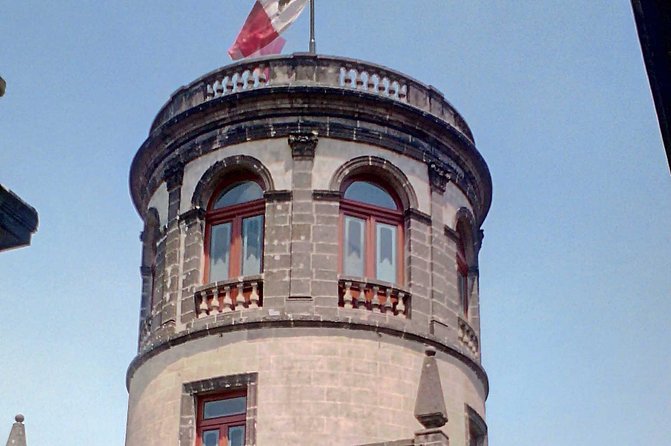
The castle’s past is unusually layered. It began as a retreat for Aztec rulers. It was later partly destroyed and rebuilt as a palace for Emperor Maximilian of Habsburg. After that, it served as a residence for Mexico’s presidents. Most of the building is now the National History Museum.
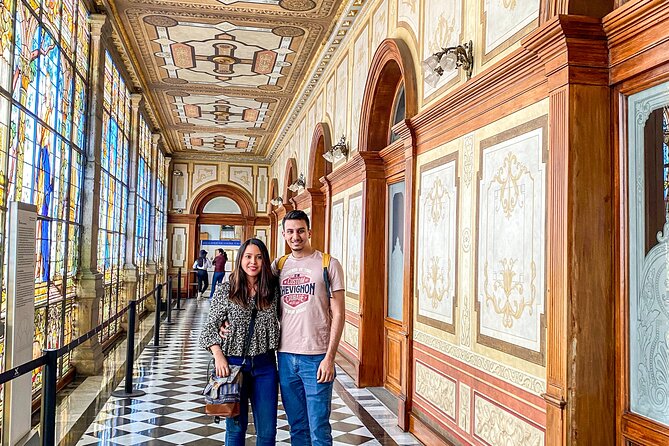
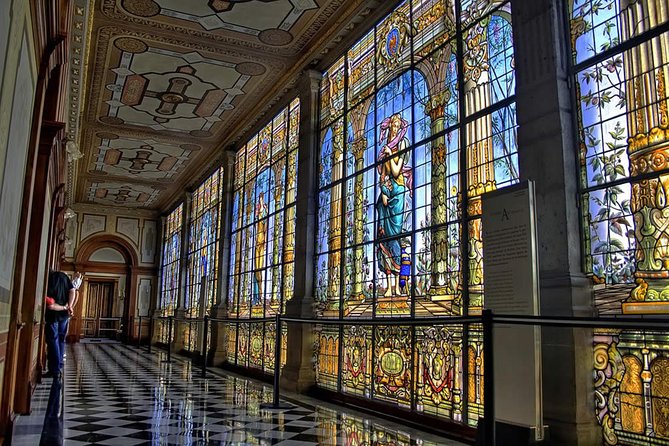
Inside, you explore about 12 halls. The rooms give you a different experience from the archaeological museum. Instead of viewing objects mainly in display cases, you walk through spaces designed for court life and government.
The marble staircases and royal apartments are among the most memorable features. You can also see the state carriages used by Maximilian and Benito Juárez, along with sculptures and busts of important figures. A sword associated with independence fighter José María Morelos adds a direct link to the struggle for Mexican independence.
Do not rush past the murals. Works connected with artists such as José Clemente Orozco and John O’Gorman show battles and political ideas on a grand scale. The castle is visually impressive, but the guide’s explanation helps you understand why these images matter.
From colonial rule to revolution in the castle halls
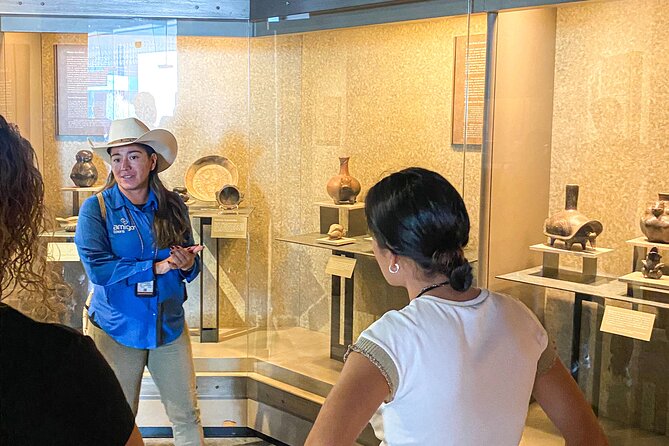
The castle portion takes about two hours. It traces Mexico from the pre-Columbian era through Spanish colonialism, independence, and the Revolution.
That sequence makes the castle a useful second act. The Anthropology Museum introduces the civilizations that existed before Spain. The castle shows what happened afterward: conquest, colonial society, the fight for independence, foreign rule under Maximilian, presidential power, and revolution.
I like this part because the building itself becomes evidence. The royal apartments reflect imperial ambition. The carriages point to political ceremony. The murals present conflict and national identity. You are not only reading about events. You are seeing how Mexico chose to remember them.
The hilltop setting also gives you views over Mexico City. Several people have found the skyline especially rewarding after the long museum morning. You may want to save a few minutes for the terraces and windows rather than spending every second inside the exhibits.
A guide can also prevent you from missing details. The castle has enough rooms and historical figures to become a blur if you move through alone. Antonio, Fernando, Miriam, and other guides have been praised for making the exhibits easier to follow, while strong English and a clear speaking voice are especially valuable in rooms where several groups may be listening at once.
The value of $79 for a half-day
At $79 per person, this is not the cheapest way to enter the two attractions. Your ticket covers admission to both museums and a professional English-speaking guide, but food and drinks are extra.
The value depends on how you use the five hours. If you have limited time in Mexico City, the tour saves you from planning two major visits and deciding which galleries matter most. The guide’s historical links can also add real value, especially if you do not read Spanish or have little background in Mesoamerican history.
If you are comfortable navigating museums alone, you can likely spend less by visiting independently. That option gives you control over pace and allows a full day at the Anthropology Museum. You can stop for food, study the English videos, or linger over smaller collections.
The tour becomes a better deal for first-time visitors, people who want a clear introduction, and anyone who finds enormous museums tiring to organize. A private option costs more, but it may be worthwhile for families, serious history fans, or anyone who wants to ask many questions.
Group discounts are available. The experience is offered in English, and the booking pattern suggests that it is often reserved about 25 days ahead. I would not leave it until the last moment if your dates are fixed.
What the strongest guides add
The most praised part of this experience is the guide. Names that appear repeatedly in strong feedback include Leonardo, Ligia, Gio, Antonio, Miriam, Lili, Alan, Nadia, Marium, and Fernando.
The common thread is not just factual knowledge. The best guides explain complex material in a way that helps you remember it. Leonardo has been praised for connecting Mexico’s pre-Hispanic, colonial, and modern periods. Gio is known for making complicated history easy to follow. Ligia’s long experience comes through in the depth of her explanations.
English ability and volume can vary by guide. A few people have found accents difficult or felt that the guide’s English was too basic. The use of headsets helps, but it does not solve every communication problem.
Arrive early at the meeting point. The group needs to enter on time, and a late arrival can mean confusion at a large museum entrance. If you cannot find the guide, communication may not always be immediate, so keep your booking confirmation available and allow plenty of time to locate the group.
Who should choose this tour
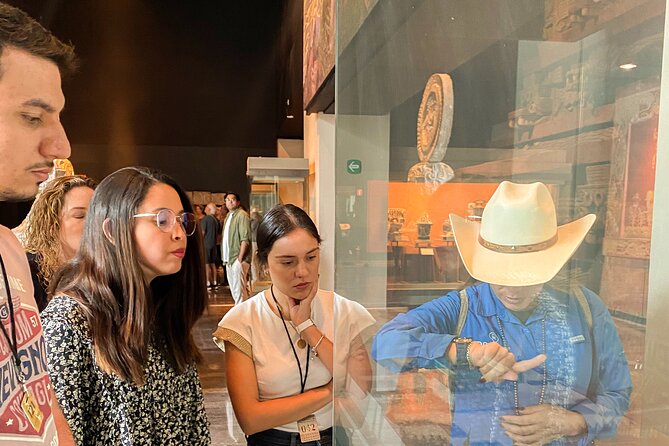
I would choose this tour if you want a fast but meaningful introduction to Mexico City’s major museums. It suits you especially well if you enjoy history but do not want to spend hours planning a route through a huge collection.
It is also a good match if you are visiting Mexico City for only a few days. You see the country’s Indigenous past, colonial period, independence movement, imperial episode, and modern national story in one concentrated outing.
You may prefer separate visits if you want a relaxed museum day. The Anthropology Museum is too large to cover fully in 2.5 hours, and the castle’s hill and staircases make the second half physically demanding. Families with young children should consider the length and amount of standing carefully.
A private tour is the better choice if you want personal attention. A standard group tour offers a lower price and a social setting, but questions and viewing time may be limited when the group reaches the maximum size.
Booking details worth knowing before you go
The tour starts at the National Museum of Anthropology on Avenida Paseo de la Reforma and ends at Chapultepec Castle. You do not return to the starting point, so plan the rest of your day from the castle area.
The full experience lasts about five hours. The museum visit takes roughly 2.5 hours, and the castle visit about two hours, with time between the sites. The tour ends in the afternoon, leaving you free to continue sightseeing.
Admission tickets and the professional guide are included. Food and drinks are not. Bring only a handbag, since backpacks, food, and drinks are not allowed inside.
Free cancellation is available up to 24 hours before the start time for a full refund. Cancellations or changes within 24 hours are not refunded or accepted. The tour requires good weather, and poor conditions may lead to a new date or a full refund.
Should you book the Chapultepec Castle and Anthropology Museum Tour?
Book it if you want two landmark museums explained in one morning and afternoon, especially on a short Mexico City visit. The guide can turn a giant collection into a manageable story, and the castle adds rooms, murals, historic carriages, and city views that you would miss by visiting only the Anthropology Museum.
Skip it if you prefer to set your own pace or want to spend a full day with the archaeological collections. The price is fair for included admission and guiding, but the schedule is active, the hill requires effort, and a large group may feel rushed.
My practical choice would be the standard tour for a first visit, provided you arrive early, wear good shoes, eat beforehand, and pack lightly. Choose private touring if you care most about detailed questions and a slower museum pace.
FAQ
How long does the tour last?
The experience lasts approximately five hours. About 2.5 hours are spent at the National Museum of Anthropology and about two hours at Chapultepec Castle, with time between the locations.
What is included in the $79 price?
The price includes a professional English-speaking guide, admission to the National Museum of Anthropology, and admission to Chapultepec Castle. Food and drinks are not included.
Where does the tour start and finish?
The tour starts at the National Museum of Anthropology on Avenida Paseo de la Reforma. It ends at Chapultepec Castle.
Is much walking involved?
Yes. The tour involves about 1.8 miles, or 3 kilometers, of walking. You also climb Chapultepec Hill to reach the castle.
Can I bring a backpack or food inside?
No. Food, drinks, and backpacks are not permitted. Only a handbag is allowed.
What happens if I need to cancel?
You can receive a full refund if you cancel at least 24 hours before the start time. Cancellations or changes made within 24 hours are not accepted, and the amount paid is not refunded. If poor weather causes the tour to be canceled, you will be offered another date or a full refund.
Recently reviewed around Mexico City
- Teotihuacan from Mexico City with early access★ 4.7 · 49 reviews
- Teotihuacan Pyramids: Guided Tour with Entry Ticket Included★ 4.1 · 45 reviews
- Teotihuacan Pyramids: Skip-the-Line Ticket★ 3.8 · 98 reviews
- From Mexico City: Puebla and Cholula Day Tour★ 4.2 · 194 reviews
- Puebla: Cholula Magical Town Tour by Double-Decker Bus★ 4.3 · 74 reviews
- Puebla: Walking Tour of Puebla City★ 4.9 · 45 reviews
- Nevado De Toluca: Reach the Summit with Professionals★ 4.8 · 250 reviews
- Mexico City: Vegan and Vegetarian Street Food Adventure★ 4.8 · 65 reviews
Museums, compared.
Xochimilco, Coyoacan, Frida Kahlo Museum & Murals Tour
Read our review →![Frida Kahlo VIP [Museum Tickets Included] Bike, Markets & Churros](https://1.bestmexicotours.com/wp-content/uploads/frida-kahlo-vip-museum-tickets-included-bike-markets-churros-400x267.jpg)
Frida Kahlo VIP [Museum Tickets Included] Bike, Markets & Churros
Read our review →
![Frida Kahlo VIP [Museum Tickets Included] Walk, Markets & Churros](https://1.bestmexicotours.com/wp-content/uploads/frida-kahlo-vip-museum-tickets-included-walk-markets-churros-400x267.jpg)
Frida Kahlo VIP [Museum Tickets Included] Walk, Markets & Churros
Read our review →
EXCLUSIVE TOUR Frida Kahlo Museum – SMALL GROUPS
Read our review →
Coba Multun-Ha Cenote Tulum and Mayan Museum Small Group
Read our review →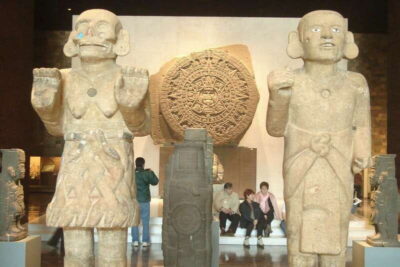
Frida Kahlo Museum Entry Ticket w/Digital Guide
Read our review →Browse the lists this tour appears in