
Reviewed · SAN CRISTOBAL & CHIAPAS TOURS
Customs of indigenous villages of Chiapas
The most striking part of this half-day outing is the church in San Juan Chamula, where Catholic images share space with Indigenous rituals, pine needles, candles, and local prayer customs. Rudy, one of the guides used for this experience, explains what you are seeing in fluent English rather than leaving you to guess.
I like the small maximum of four people, which makes questions easy and keeps the visit personal. I also like the combination of church, cemetery, art, and textile work: you get more than a quick photo stop. The main drawback is the price, $77.07 per person, which can feel high for five to six hours, especially once you add breakfast.
- Chamula’s church reveals a living blend of Catholic and Indigenous belief.
- A cemetery visit explains Tzotzil Day of the Dead customs and Mayan roots.
- A local art gallery adds paintings tied to daily life and village festivals.
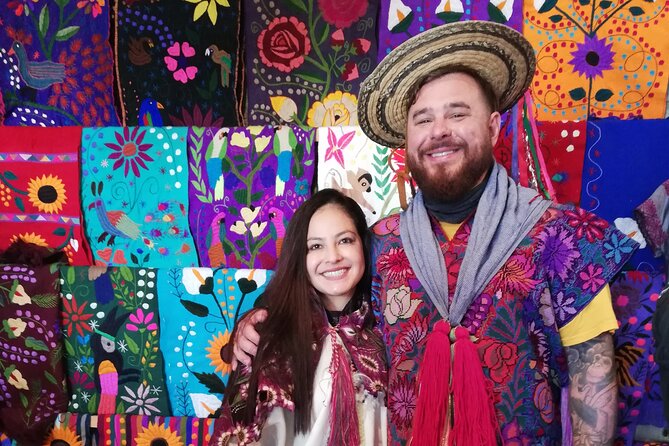
- A family textile visit lets you try on traditional clothing.
- The group size is limited to four people.
- Breakfast is available during the art stop, but it is not included.
In This Review
- Why Chamula’s church is the heart of the morning
- San Juan Chamula cemetery and the meaning of Day of the Dead
- Art and breakfast with a highland view
- San Lorenzo and the Jaguar legend
- Textile making inside a local family home
- What the small group changes
- Is $77.07 a fair price?
- Who will get the most from this experience?
- How to prepare for the visit
- Should you book the Chiapas Indigenous villages tour?
- FAQ
- Where does the tour start?
- Where does the tour end?
- How long does the experience last?
- How much does the tour cost?
- Is breakfast included?
- Is the tour offered in English?
- How many people can join the tour?
- Can I cancel for a full refund?
Why Chamula’s church is the heart of the morning
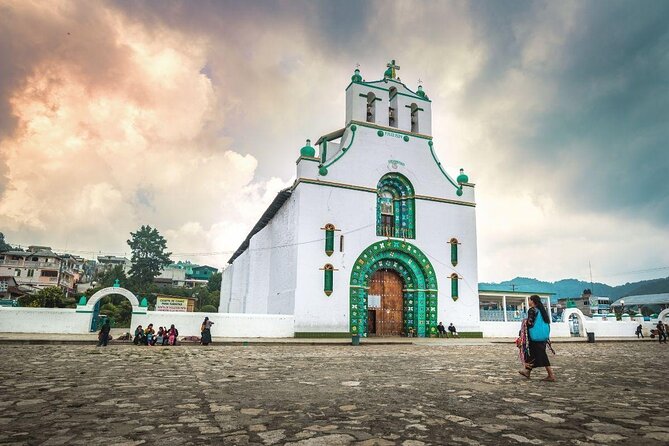
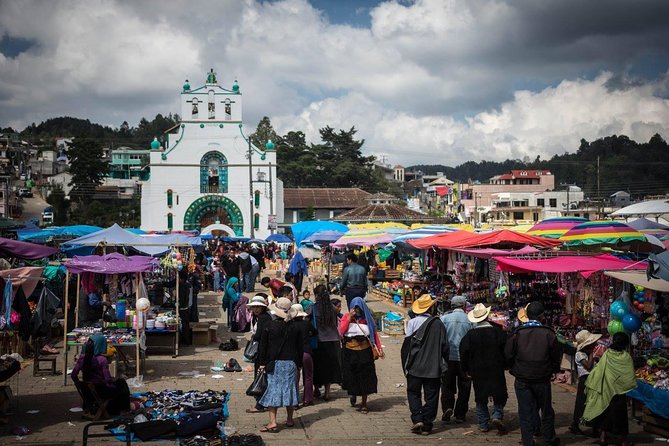
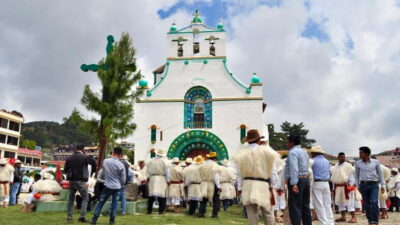
From San Cristóbal de las Casas, you head toward San Juan Chamula, an Indigenous community in the Chiapas highlands. The church of San Juan Bautista is the central experience, not simply another colonial building to tick off.
Inside, the atmosphere is unlike a standard Catholic church. The visit focuses on the way Catholic figures and ceremonies have blended with older Indigenous beliefs. Your guide explains the meaning behind the rituals, symbols, and objects, helping you understand that this is a place of active worship, not a museum display.
That distinction matters. You are not just looking at an unusual interior. You are entering a sacred space used by the local community. The experience is best approached with quiet attention and respect. Photography rules can be sensitive in Indigenous religious settings, so follow your guide’s instructions and do not assume that every scene is available for a picture.
You have about 45 minutes here, enough time for an explanation and a careful look without rushing through the building. A good guide makes a major difference. Rudy has been praised for explaining religion, village customs, government, marriage traditions, and everyday life in a clear way. His background and fluent English also help when the subject gets complicated.
The church is the strongest reason to book this outing. If you only want grand architecture, it may not be the right choice. If you want to understand how belief is practiced today, this is the part that gives the tour its weight.
San Juan Chamula cemetery and the meaning of Day of the Dead
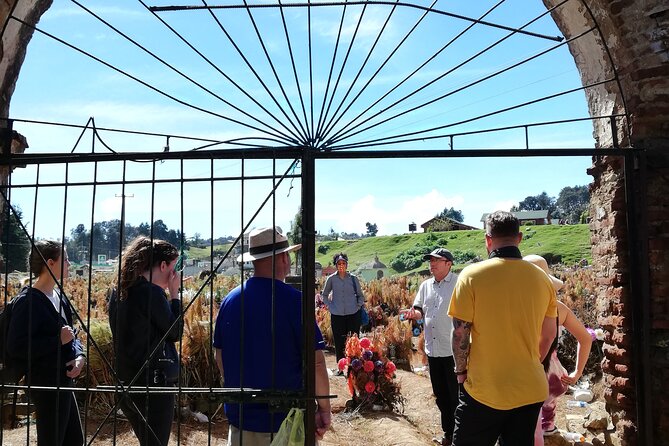
The next stop is the cemetery of San Juan Chamula, with around 30 minutes set aside for the visit. Here, the focus is on Day of the Dead customs and the beliefs of the Tzotzil people, including their Mayan roots.
The value of this stop comes from the explanation. Day of the Dead is often reduced to painted faces and colorful decorations, but this visit gives you a chance to consider how remembrance fits into local belief. Your guide connects the cemetery to the wider religious practices you have just seen in the church.
I like the order of these two stops. First you see the sacred interior, then you move to a place tied to death, memory, and family tradition. The sequence gives the morning a clear thread rather than a series of unrelated attractions.
Do not expect a long cemetery walk or a formal museum presentation. Thirty minutes is enough for context and observation, but not for an exhaustive study of Tzotzil customs. The ground may also be uneven in places, so sensible footwear is helpful. The tour information says most people can participate, and service animals are allowed.
Other San Cristobal de las Casas days travellers weigh against this one:
- San Cristóbal: Canyon, Viewpoints & Chiapa de Corzo Tour
★ 4.7 · 231 reviews - From San Cristóbal: Chamula and Zinacantán Guided Tour
★ 4.4 · 203 reviews - San Cristóbal: Agua Azul, Misol Ha & Palenque Experience
★ 4.3 · 186 reviews
Art and breakfast with a highland view
The visit continues in San Juan Chamula at Art Tex, an independent gallery run by local painter Tex Lopez. The gallery presents paintings by local artists, with subjects drawn from daily life and village celebrations.
This stop gives you a different way to see the area. The church and cemetery show religious customs directly. The paintings show how local artists interpret their own routines, festivals, and surroundings. If you enjoy buying art or meeting independent artists, this is more personal than a standard craft-market stop.
You also stop for breakfast here. It is not included in the $77.07 price, so bring money for the meal. The setting is described as having a beautiful view of the surrounding highland, which makes this a useful pause after the more serious church and cemetery visits.
The one-hour stop is long enough to look around, eat, and ask questions. It also gives the tour a slower rhythm. You are not being pushed from one doorway to the next.
Still, keep your expectations practical. The information does not promise a formal artist talk, a cooking demonstration, or a meal included in the booking. Think of this as a local gallery visit with time for breakfast, not a full culinary experience.
San Lorenzo and the Jaguar legend
The fourth stop is the Church of San Lorenzo, where the guide discusses the meeting of pre-Hispanic religion and Catholic practice. The description connects this Indigenous culture to Aztec origins and points to the symbolism found in the church.
This is useful because it gives you a second religious setting for comparison. The first church is associated with Chamula and Tzotzil traditions. San Lorenzo lets you see another expression of Indigenous identity and the way older beliefs continue alongside Catholic forms.
The guide also tells the legend of a jaguar. That detail adds a human touch to what could otherwise become a dense lecture about religious fusion. Ask questions here. With only about 30 minutes, the visit will be concise, but a small group allows the discussion to follow your interests.
I would not treat the two churches as interchangeable. The Chamula visit is presented as the main attraction, with a particularly powerful ritual setting. San Lorenzo works better as a comparison and a chance to see how customs differ between communities.
Textile making inside a local family home
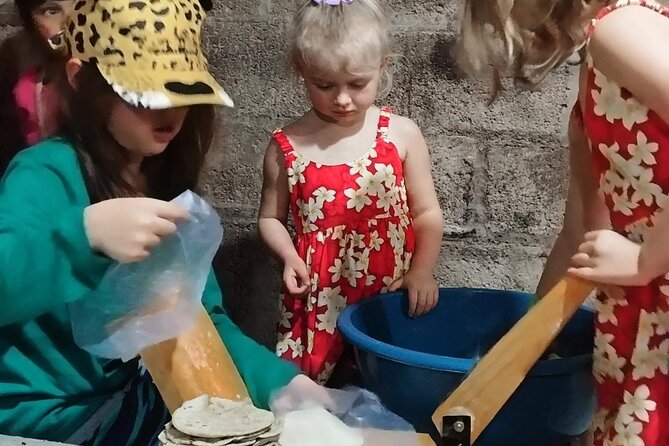
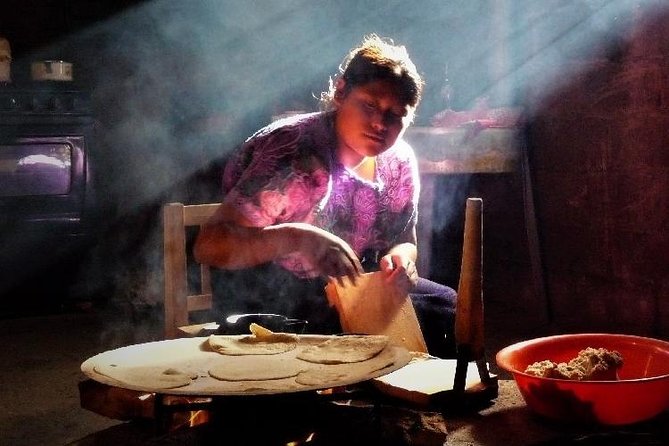
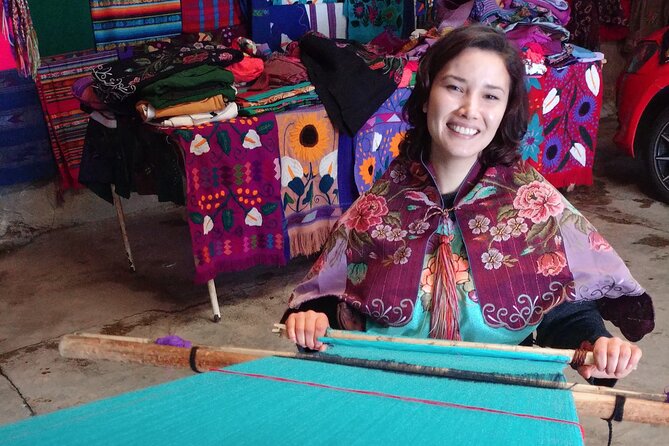
The final stop takes you to a local family of artisans near the former Temple of San Lorenzo. You learn about textile production and can try on traditional clothing.
This is one of the most practical parts of the experience. Textiles are often sold to visitors with little explanation. Here, you get some context about how the work is made and how clothing connects to local identity. Trying on the traditional costume also makes the visit hands-on without turning it into a staged performance.
The family setting is important. It offers a closer look at craft work than a large commercial shop, and it gives you a chance to ask about the process directly. The supplied details do not specify whether textiles are available for purchase, so do not assume that shopping is part of the plan. If you are interested in buying, ask politely and let your guide explain what is appropriate.
You have about 30 minutes here. That is enough for an introduction, but not a full weaving course. I would see it as a compact window into local production, paired with the cultural meaning of dress.
A different kind of day out, same stretch of Mexico:
- Sumidero Canyon and Chiapa de Corzo Tour Compartido
★ 4.6 · 131 reviews - From San Cristobal: Sumidero Canyon & Chiapa de Corzo Tour
★ 4.6 · 102 reviews - From San Cristóbal: Agua Azul and Palenque Day Trip
★ 4.2 · 75 reviews - Sumidero Canyon, Chiapa de Corzo Magical Town from San Cristóbal de las Casas
★ 4.0 · 70 reviews
What the small group changes
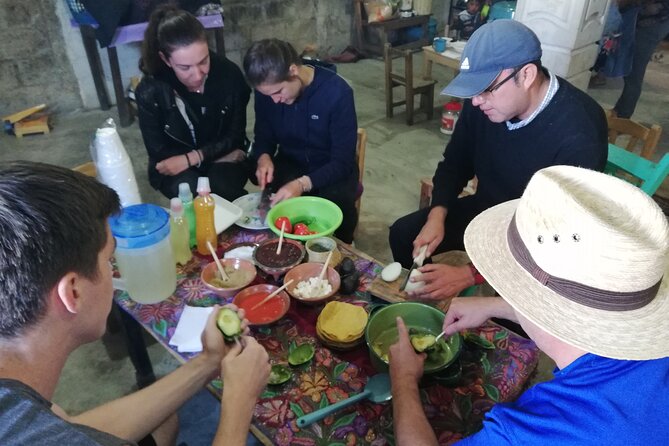
The tour has a maximum of four people. That is a real advantage in places where context matters. You can ask why a ritual is performed, how a belief relates to the church, or what a textile pattern means without waiting behind a bus full of people.
A small group also makes the tone less mechanical. One German-language account described the day as relaxed, friendly, and well organized, with prompt pickup and clear updates about changes. Another praised the personal nature of the experience compared with a large group.
There is a tradeoff. Small private-style tours often cost more per person, and this one is no exception. At $77.07, you are paying partly for the size and the guide’s time, not just for admission tickets. The church admissions are included, while breakfast is extra.
Pickup is offered, and the stated starting point is Arco del Carmen on Miguel Hidalgo in central San Cristóbal de las Casas. The listed end point is Plaza de la Paz in the historic center. Because the details also describe hotel pickup, confirm your exact pickup arrangement before the day begins.
The outing lasts about five to six hours. That makes it easy to fit into a San Cristóbal stay, but it is still a substantial morning or afternoon. You will want time afterward for lunch and the city center rather than planning another major excursion immediately.
Is $77.07 a fair price?
The answer depends on how you like to travel. If you compare the cost only with transportation and entry fees, the price may seem a little steep. One direct assessment called it slightly overpriced, even while considering the outing worthwhile.
I see better value if you care about explanation and access. The guide links the churches, cemetery, art, and textiles into one story about Indigenous life. You are also traveling with no more than three other people, and the guide can respond to your questions in English.
The price includes admission to the two churches, but not breakfast. It also does not automatically mean that every meal, purchase, or optional expense is covered. Bring extra money for food and anything you may choose to buy.
You should also think about what you would otherwise spend on transport and research. Visiting these communities alone may be possible, but the spiritual customs can be difficult to understand without someone who knows how to explain them. This tour is strongest as an interpretation service, not as a cheap transfer between villages.
Who will get the most from this experience?
I would choose this for someone staying in San Cristóbal who wants to learn about Indigenous religion and daily life in Chiapas. It suits you especially well if you prefer a calm, discussion-based outing to a large coach tour.
It is also a good match if you are interested in:
- Religious traditions and the meeting of Catholic and pre-Hispanic beliefs
- Tzotzil customs and Mayan origins
- Local painting and village festivals
- Textiles and traditional clothing
- Small groups and direct access to an English-speaking guide
You may want to skip it if your priority is shopping, a long food experience, or a packed list of sights. Breakfast is only a stop, not the focus, and the church visits ask for respectful observation rather than constant photography.
The tour is described as suitable for most people, with service animals allowed and public transportation nearby. No special fitness level is stated, but comfortable shoes are sensible for moving between village sites and cemetery grounds.
How to prepare for the visit
Reserve ahead if your dates are fixed. The experience is booked about 25 days in advance on average, and the group limit is only four people. Confirmation normally arrives when you book, although bookings made within five days of departure may take up to 48 hours and remain subject to availability.
Bring cash or another payment method for breakfast, since it is not included. You may also want a small amount for art or textiles, but the details do not say that purchases are guaranteed.
Wear clothing that lets you enter religious spaces respectfully. Keep your voice low inside the churches, follow instructions about photography, and ask before touching clothing or textiles. You will get more from the outing if you treat the communities as living places rather than as a backdrop for photographs.
Free cancellation is available up to 24 hours before the start time. Changes or cancellations inside that window are not accepted for a refund. The outing also depends on good weather and a minimum number of participants, so a cancellation for either reason may lead to a new date, another experience, or a full refund.
Should you book the Chiapas Indigenous villages tour?
I would book it if you want meaningful cultural context in a small group and you are willing to pay for a guide who can explain what you are seeing. The Chamula church alone is a powerful reason to go, while the cemetery, gallery, San Lorenzo church, and textile visit give the half-day useful range.
I would pass if $77.07 feels too high for a short outing or if you mainly want food and shopping. For the right audience, though, the personal format and clear English explanations make this a strong choice from San Cristóbal. Rudy is a particularly good guide to request if available, since his explanations cover religion, customs, government, and village life rather than stopping at surface facts.
FAQ
Where does the tour start?
The stated starting point is Arco del Carmen, Miguel Hidalgo S/N, Centro, San Cristóbal de las Casas, Chiapas.
Where does the tour end?
The stated end point is Plaza de la Paz in the Zona Centro of San Cristóbal de las Casas.
How long does the experience last?
The tour lasts approximately five to six hours.
How much does the tour cost?
The listed price is $77.07 per person.
Is breakfast included?
No. Breakfast is offered during the Art Tex stop, but it is not included in the tour price.
Is the tour offered in English?
Yes. The experience is offered in English, and Rudy has been described as fluent in English.
How many people can join the tour?
The maximum group size is four people.
Can I cancel for a full refund?
Yes, if you cancel at least 24 hours before the experience begins. Poor weather or failure to meet the minimum number of participants may also result in an alternative date or a full refund.
Recently reviewed around San Cristobal de las Casas
- Sumidero Canyon & Chiapa de Corzo from Tuxtla & San Cristobal★ 4.0 · 32 reviews
- Sumidero Canyon, Chiapa de Corzo Magical Town from San Cristóbal de las Casas★ 4.0 · 70 reviews
- Sumidero Canyon, Miradores del Cañón and Pueblo Chiapa de Corzo.★ 4.0 · 70 reviews
- Day Trip to Agua Azul Waterfalls and Palenque from San Cristobal★ 3.5 · 46 reviews
- San Cris – Canyon of the Sump Miradores Chiapa – San Cris in Spanish★ 4.5 · 36 reviews
- Cañon Del Sumidero, miradores From San Cristobal de Las Casas★ 4.5 · 67 reviews
- Sumidero National Park Full-Day Trip from San Cristobal★ 4.4 · 66 reviews
- San Cristobal: Sumidero Canyon, Chiapa de Corzo, & Miradores★ 4.4 · 63 reviews
San Cristobal & Chiapas Tours, compared.
Sumidero Canyon and Chiapa de Corzo Tour Compartido
Read our review →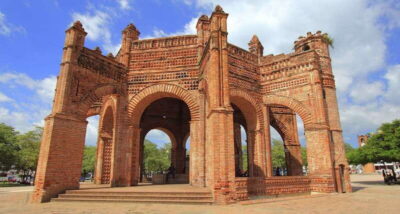
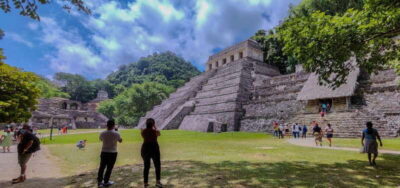
Palenque: Palenque Ruins, Agua Azul Waterfalls and Misol-Ha
Read our review →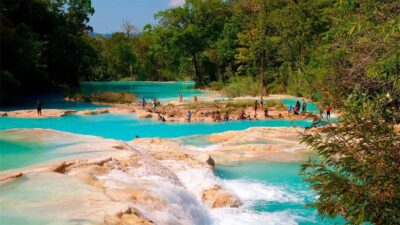
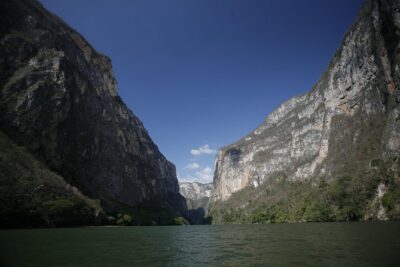
Sumidero Canyon, Chiapa de Corzo Magical Town from San Cristóbal de las Casas
Read our review →Browse the lists this tour appears in