
Reviewed · SAN CRISTOBAL & CHIAPAS TOURS
From San Cristóbal: Chamula and Zinacantán Guided Tour
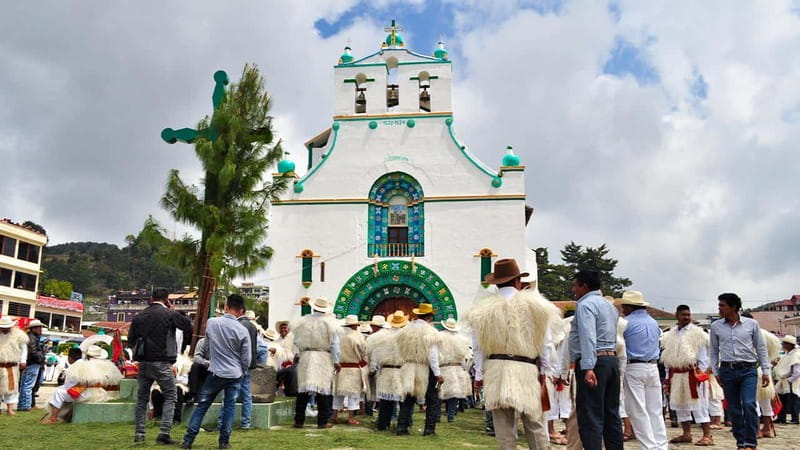
San Juan Chamula’s church is the reason this half-day trip stays with you. Pine needles cover the floor, candles flicker in clusters, and Tzotzil Maya worship blends Catholic images with older local beliefs. You cannot photograph or film inside, so you have to pay attention.
I like the excellent cultural context provided by guides such as Miguel and Alonso, and I like the warm visit to a Zinacantán weaving cooperative, where you can watch waist-loom work, taste fresh tortillas, and try regional drinks. The main drawback is that the weaving stop can feel brief and sales-focused, with prices sometimes two or three times higher than in town.
In This Review
- Key points to know before you book
- Why Chamula feels unlike any church in Chiapas
- The Tzotzil Maya setting of San Juan Chamula
- Zinacantán and the waist loom tradition
- The good and awkward side of buying textiles
- A five-hour schedule that leaves room for the rest of San Cristóbal
- What the guide can add to the experience
- Who should take this tour?
- Useful details before you leave San Cristóbal
- Should you book the Chamula and Zinacantán tour?
- FAQ
- How long does the Chamula and Zinacantán tour last?
- Where does the tour start and finish?
- What languages are available?
- Is photography allowed inside Chamula’s church?
- What is included in the price?
- What should I bring?
Key points to know before you book
- Chamula’s church is the emotional center: Expect a quiet, unusual place of worship where pine, candles, prayer, and local rituals fill the interior.
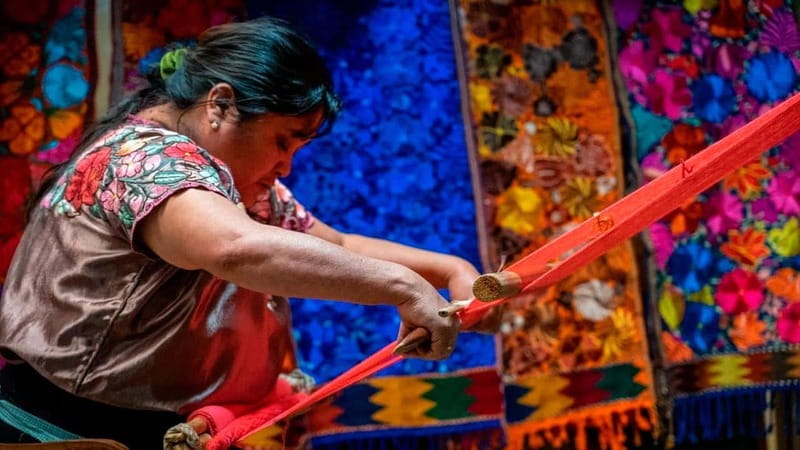
- Zinacantán brings culture into a family setting: You may watch women use pre-Columbian waist looms and enter the kitchen to taste handmade tortillas.
- Guiding makes a major difference: Strong guides explain what you are seeing and answer questions in English or Spanish instead of simply dropping you at each stop.
- The included tastings add real value: Pox, local coffee, cheese, beans, tacos, and tortillas may be part of the Zinacantán visit, though food and drinks are not formally included in the tour price.
- Photography is restricted: Cameras and video recording are not allowed, an important rule inside the church and around local rituals.
- Five hours is an efficient format: You spend about three hours visiting the towns and roughly 65 minutes in the van, leaving most of your day free.
Why Chamula feels unlike any church in Chiapas
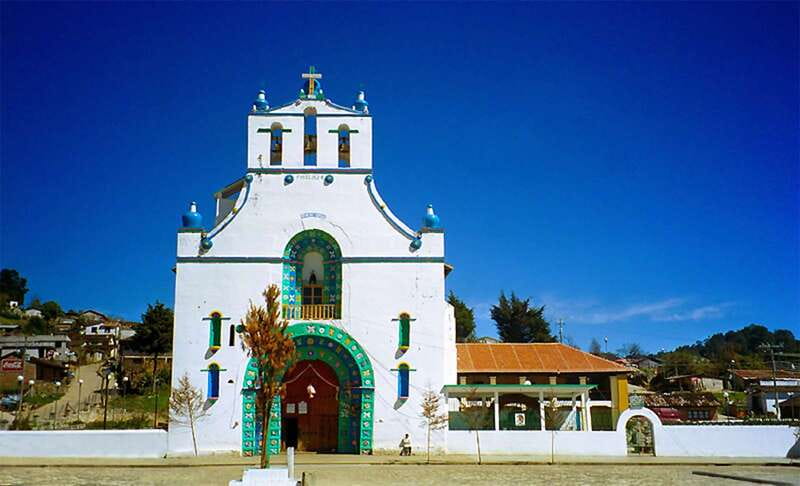
The first stop, San Juan Chamula, is not a standard church tour. The building looks Catholic from the outside, but inside you encounter a form of worship shaped by Tzotzil Maya beliefs and local practice.
Your guide should explain the meaning of the candles, pine needles, incense, and prayers before you enter. That preparation matters. Without it, the interior can seem strange or even confusing. With it, you have a better chance of understanding that this is a living place of worship, not a staged cultural display.
The floor is covered with pine needles, and candles are set directly on the ground in rows or clusters. The air can smell of pine and wax. People pray quietly, and the atmosphere is calm even when the church has several people inside.
No cameras or video are allowed. Take that rule seriously. You are entering an active religious space, and the people inside are there to pray, not perform for an audience. The restriction may frustrate anyone hoping for dramatic photographs, but it also pushes you to look carefully and behave with greater respect.
You might feel slightly uncomfortable watching ceremonies that are unfamiliar. That is a fair reaction. The guide’s job is not to turn the ritual into entertainment, but to explain the setting and help you keep a proper distance. One useful question to ask is where observation ends and intrusion begins. This is a place to listen more than speak.
The Chamula visit lasts about an hour and a half, including the guided walk and explanation. That is enough time to learn about the town and enter the church without making the stop feel rushed.
More San Cristobal & Chiapas trips worth a second look
- Teotihuacan Early Access Guided Tour with optional Lunch
★ 4.5 · 6,138 reviews - Tulum Ruins and Cenote Guided Tour, from Cancun
★ 4.5 · 2,592 reviews - Tulum Guided Tour, Magical Cenote, Lagoon Snorkeling and Beachside Lunch
★ 5.0 · 1,888 reviews
The Tzotzil Maya setting of San Juan Chamula
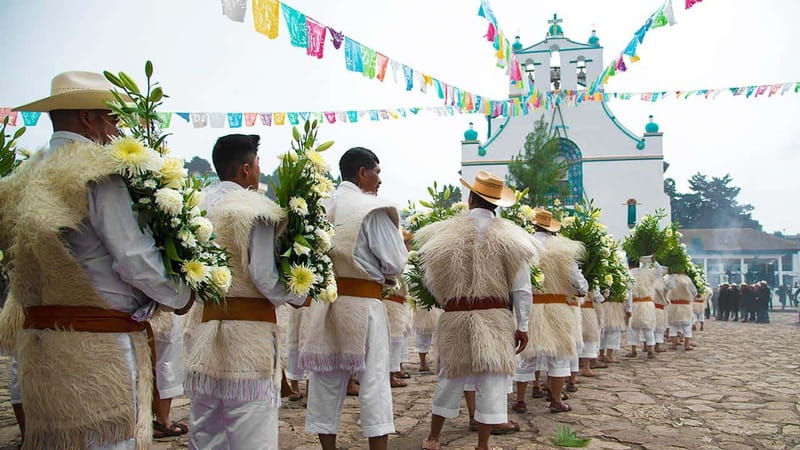
Chamula gives you a first look at the everyday world of a Tzotzil Maya community. The town is contemporary, but older customs remain visible in religious practice, clothing, family life, and local identity.
A good guide connects those pieces rather than presenting them as museum objects. Guides who have led this outing, including Miguel, Alonso, and Alfonzo, have been praised for switching between English and Spanish, answering questions, and explaining local customs with care. The exact guide depends on the departure, but English and Spanish service is offered.
I would not expect a long free period to wander on your own. This is a guided cultural visit, and that is its strength. You receive background before and during the stop, then have a clear sense of why the church matters.
The town visit also has a practical side. Transfers are short, but traffic affects the timing. The drive from the meeting point to Chamula takes about 25 minutes in normal conditions. If your day is tightly planned, allow some flexibility rather than booking another activity immediately afterward.
Zinacantán and the waist loom tradition
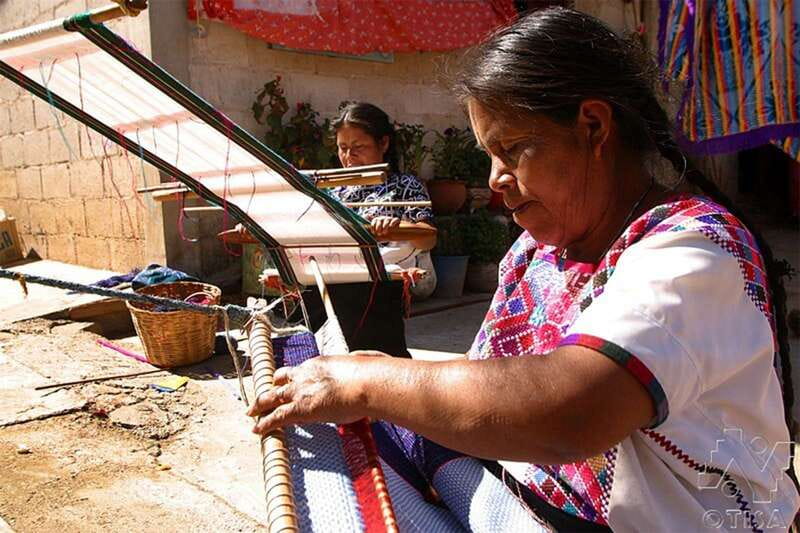
From Chamula, the minivan continues for about 15 minutes to Zinacantán. Here, most residents are Tzotzil Maya, and the focus shifts from religious practice to textile work and household traditions.
The cooperative visit is the more social part of the tour. You may be welcomed with a regional drink, often pox, a local liquor associated with Chiapas. Some departures also include a chance to try traditional clothing, taste local coffee, and eat tacos with cheese and beans.
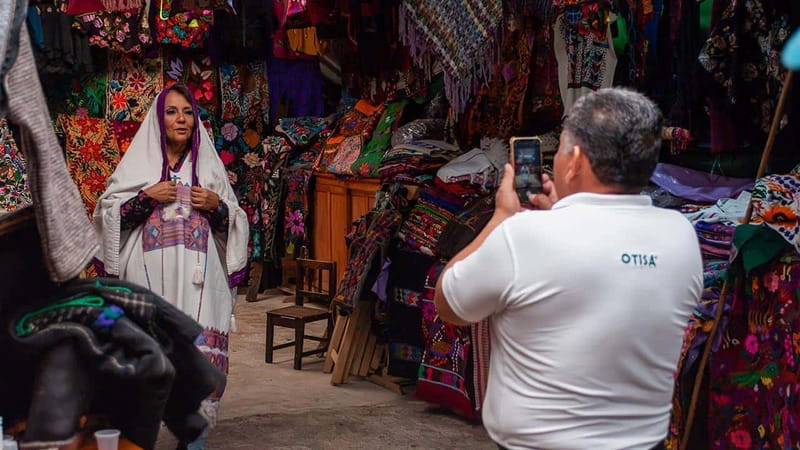
The central demonstration shows women working on pre-Columbian waist looms. This is not the same as watching a large modern loom in a factory. The technique is tied to the body and requires skill, patience, and control. Even a short demonstration helps you see why handmade textiles take time and why patterns carry meaning.
Still, keep your expectations measured. The weaving explanation can be quick, and not every guide gives the same amount of detail at this stop. If the process interests you, ask how the loom works, how long a piece takes, and which designs are traditional to the area. A few direct questions can turn a short demonstration into a more useful exchange.
The home setting is an important part of the visit. You may be invited into the kitchen to watch tortillas being made and taste them fresh, often with cheese, beans, or tacos. This simple moment can say more about daily life than a polished shop display. Food gives the visit a human scale.
The good and awkward side of buying textiles
The tour highlights the chance to buy looms and Indigenous crafts, especially woven clothing and textiles from the Zinacantán cooperative. Buying directly can support the women working there and gives you a clear connection to the people who made the item.
But the stop can also feel like a sales visit. The cooperative presents its work, explains quality differences, and gives you a chance to purchase. That is not automatically a problem, but it does change the tone. You are not visiting a workshop with no commercial purpose.
Prices may be around two or three times higher than those for similar clothing in town. That does not prove the work is unfairly priced. Handmade textiles involve labor, materials, and a direct payment to the makers. Still, you should compare prices and buy only what you genuinely want.
I like the idea of treating a purchase as support for a craft tradition, not as a bargain hunt. Ask about the item, the fiber, the production time, and who made it. If the guide spends too much time criticizing other sellers or pushing purchases, you can simply browse politely and decline.
The best value here is not the shopping alone. It is seeing the loom, meeting the artisans, and understanding how clothing and household textiles connect to local life. If you only want low prices, the stop may disappoint you. If you want context and a chance to buy directly, it is more worthwhile.
A different kind of day out, same stretch of Mexico:
- San Cristóbal: Canyon, Viewpoints & Chiapa de Corzo Tour
★ 4.7 · 231 reviews - San Cristóbal: Agua Azul, Misol Ha & Palenque Experience
★ 4.3 · 186 reviews - Sumidero Canyon and Chiapa de Corzo Tour Compartido
★ 4.6 · 131 reviews - From San Cristobal: Sumidero Canyon & Chiapa de Corzo Tour
★ 4.6 · 102 reviews
A five-hour schedule that leaves room for the rest of San Cristóbal
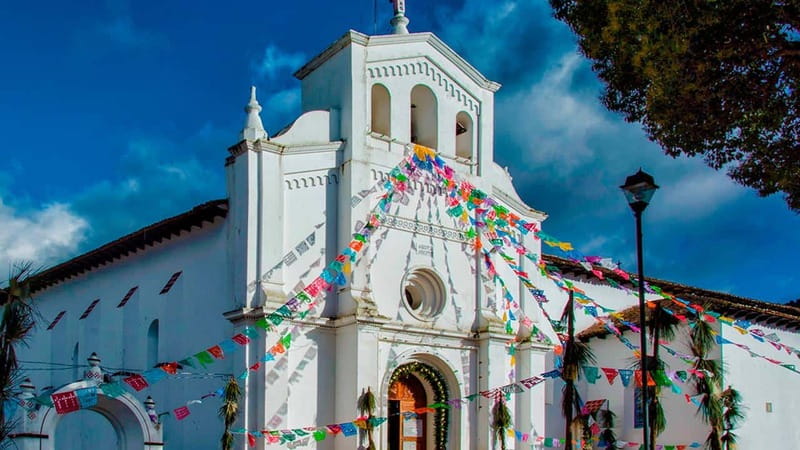
The trip starts at Al Grano Café on Portal Oriente 9 in Colonia Centro, San Cristóbal de las Casas. From there, you ride in an air-conditioned minivan to Chamula, continue to Zinacantán, and return to the same café.
The stated timing is:
- About 25 minutes to San Juan Chamula
- About 1.5 hours for the Chamula visit
- About 15 minutes to Zinacantán
- About 1.5 hours for the Zinacantán visit
- About 25 minutes back to San Cristóbal
That adds up to about 65 minutes of transfers and three hours at the two stops. The remaining time allows for loading, unloading, and normal delays. Traffic can change the exact schedule, and the trip runs in all weather.
The air conditioning is useful because the highland weather can change during the day. Wear comfortable shoes, dress in layers, and bring an ID or passport. You will be walking and standing, even though this is not a strenuous hike.
At $32 per person, the price is strong for a five-hour outing that includes transportation, a guide, and entrance fees. You are paying for an efficient route, not a private experience. Food, drinks, shopping, and personal expenses are extra, even though tastings may be offered during the cooperative visit.
The best financial value comes from the guide. A basic shared ride could get you to both towns, but it would not necessarily explain the church or help you understand what is happening in front of you. Several guides have been praised for giving background, translating between languages, and leading people through the sites rather than simply allowing free time.
What the guide can add to the experience
This tour depends heavily on the quality of the person leading it. The route itself is simple, but the meaning of the places is not.
A strong guide explains the difference between a Catholic church in a conventional Mexican town and the church in Chamula. The guide also needs tact. Religious customs should not be reduced to odd stories or treated as a show. The most useful explanations connect belief, family, community, and daily life.
English service is available, but the depth of the explanation may vary. Miguel has been praised for clear English and careful explanations. Alonso and Alfonzo have also led tours with English and Spanish commentary, including translation for mixed-language groups. Some parts of a visit, such as a pox tasting or greenhouse-style stop, may be explained mainly in Spanish depending on the guide and setting.
You can help the tour work well by asking questions. Ask before photographing anything, ask if a ritual is private, and ask how textile prices are set. A curious but respectful approach usually gets you more than passive listening.
The tour has earned a 4.4 rating from 203 bookings, which fits the experience: the major sights are powerful, the guides are often a strong point, and the cooperative stop is more uneven.
Who should take this tour?
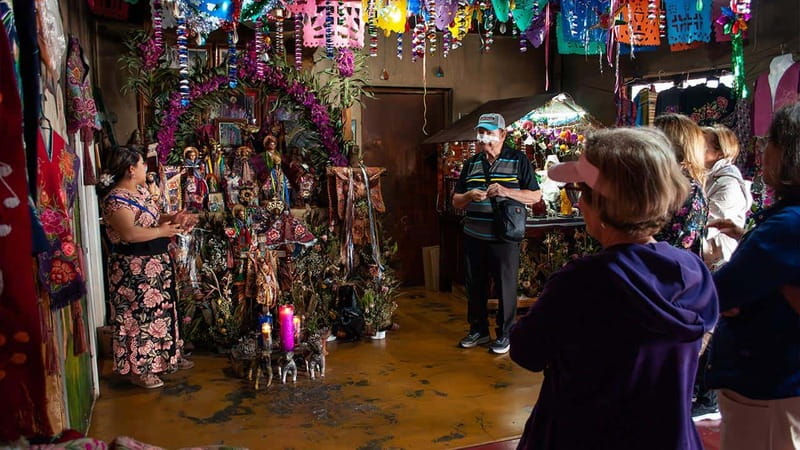
I would choose this outing if you are staying in San Cristóbal and want a compact introduction to Tzotzil Maya culture. It suits you especially well if you prefer guided context over independent sightseeing.
It is also a good choice for first-time visitors who might otherwise see Chamula’s church for a few minutes without understanding its rituals. The guide helps you notice details and avoid careless behavior.
Families can take the tour, but children must be accompanied by an adult, and unaccompanied minors are not accepted. The church may be difficult for young children who cannot remain quiet or respect the no-camera rule.
You should think twice if you dislike group shopping stops or have no interest in buying textiles. Zinacantán is more than a shop, but sales are part of the visit. Also reconsider if you want a slow, private cultural meeting. This is a five-hour shared excursion with fixed stops.
People focused on photography may find the restrictions frustrating. The most striking part of Chamula cannot be photographed or filmed. Bring your eyes, not your camera, into the church.
Useful details before you leave San Cristóbal
Meet at Al Grano Café in the city center. Comfortable clothes and shoes are the basic requirement, and an ID card or passport is listed among the items to bring.
The tour operates in all weather. Rain or a chilly highland morning can change your comfort level, so carry suitable clothing rather than assuming a clear day.
Food and drinks are not included as a formal part of the price. Even so, the Zinacantán stop may offer regional pox, coffee, tortillas, cheese, and bean tacos. Bring some money for personal purchases and tastings, and do not assume every food item will be available on every departure.
You can cancel up to 24 hours before the activity for a full refund, and you can reserve while paying later. Starting times vary, so check the available departure when booking.
Should you book the Chamula and Zinacantán tour?
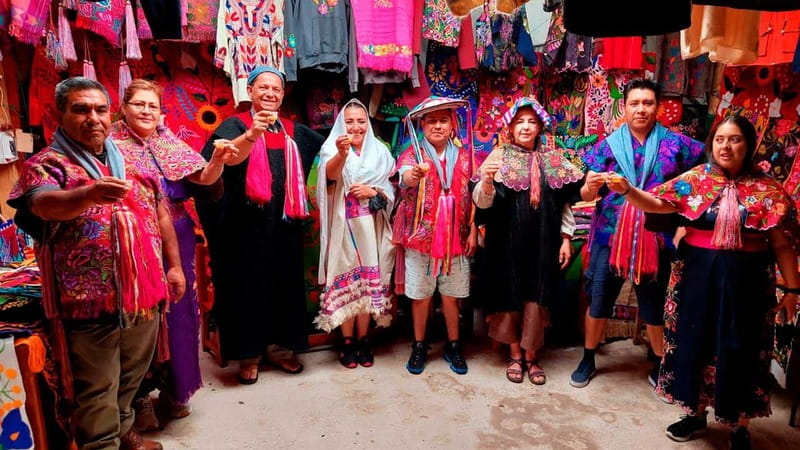
Book it if you want two very different cultural stops in one morning or afternoon: a quiet, unusual church visit in Chamula and a more hands-on textile and food experience in Zinacantán. At $32, the air-conditioned transport, guide, and entrance fees make this a sensible use of half a day.
Go in with the right expectations. The church is the strongest stop, while the weaving visit can be short and may include pressure to buy. Treat the cooperative as a chance to meet artisans and learn about the work, not simply as a cheap shopping stop.
For the best experience, choose this tour when you value explanation, local contact, and respectful observation. If those things matter to you, this outing gives San Cristóbal a cultural context that you cannot get from the city center alone.
FAQ
How long does the Chamula and Zinacantán tour last?
The tour lasts about five hours. The schedule includes approximately 25 minutes to Chamula, 1.5 hours there, 15 minutes to Zinacantán, 1.5 hours there, and 25 minutes back to San Cristóbal. Traffic can affect transfer times.
Where does the tour start and finish?
It starts and finishes at Al Grano Café, Portal Oriente 9, Colonia Centro, San Cristóbal de las Casas.
What languages are available?
The live guide service is available in English and Spanish. The exact amount of English or Spanish explanation can depend on the guide and the activity at each stop.
Is photography allowed inside Chamula’s church?
No. Cameras and video recording are not allowed. You should follow the rule and avoid photographing or filming religious rituals.
What is included in the price?
The $32 price includes transportation in an air-conditioned minivan, a guide, and entrance fees. Food, drinks, shopping, and other personal expenses are not formally included.
What should I bring?
Bring a passport or ID card, comfortable shoes, and comfortable clothing. Since the tour operates in all weather, dress appropriately for changing conditions.
Recently reviewed around San Cristobal & Chiapas
- Sumidero National Park Full-Day Trip from Tuxtla Gutiérrez★ 4.4 · 35 reviews
- Sumidero National Park Full-Day Trip from San Cristobal★ 4.4 · 66 reviews
- San Cristobal: Sumidero Canyon, Chiapa de Corzo, & Miradores★ 4.4 · 63 reviews
- Sumidero Canyon and Chiapa de Corzo Tour Compartido★ 4.6 · 131 reviews
- Montebello Lakes and Chiflon Day Tour from San Cristobal★ 4.1 · 68 reviews
- San Cristobal: Zinacantan and San Juan Chamula Tour★ 4.0 · 38 reviews
- San Cristobal: Cascadas de Chiflon and Lagos de Montebello★ 4.3 · 44 reviews
- San Cristóbal: Canyon, Viewpoints & Chiapa de Corzo Tour★ 4.7 · 231 reviews
San Cristobal & Chiapas Tours, compared.
Sumidero Canyon and Chiapa de Corzo Tour Compartido
Read our review →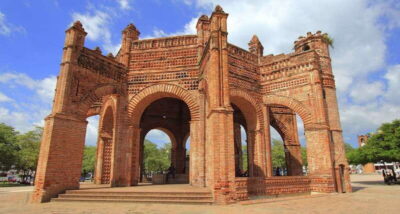
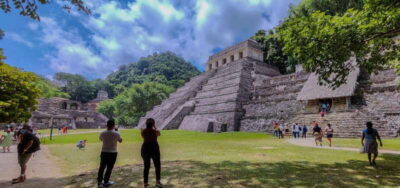
Palenque: Palenque Ruins, Agua Azul Waterfalls and Misol-Ha
Read our review →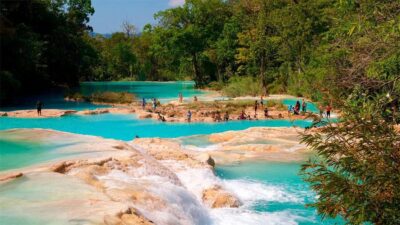
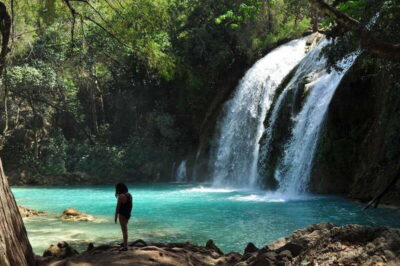
Montebello Lakes and Chiflon Day Tour from San Cristobal
Read our review →
Sumidero National Park Full-Day Trip from San Cristobal
Read our review →Browse the lists this tour appears in