
Reviewed · HISTORICAL TOURS
Guadalajara: Mexican Charro and Charreada Cultural Tour
The best part of this Guadalajara tour is that you do not simply watch Mexican rodeo culture from the stands. You handle the lasso, brush and saddle horses, study the fine details of a charro outfit, and may even join the opening parade. I especially like the hands-on approach and the warm finish with tequila and mariachi. You get a real introduction to charrería, not just a quick photo stop.
The main thing to keep in mind is that riding in the parade and seeing a full competition depend on the day’s schedule. The experience can also be dusty, and anyone with horse or dust allergies should bring medication. Food is not included, so plan accordingly.
In This Review
- Key points to know before booking
- Why charrería matters in Jalisco
- Arriving at the lienzo and meeting the charros
- Ropes, loops, and your first charro lesson
- Brushing, saddling, and choosing horses for the parade
- The horse parade and the charreada itself
- Tequila, mariachi, and the human side of the visit
- What the $47 price really covers
- Who will enjoy this most
- Language, timing, and practical planning
- Should you book the Charro and Charreada Cultural Tour?
- FAQ
- Where does the tour take place?
- Where can I be picked up?
- How long does the experience last?
- Is transportation included?
- Is the tour offered in English?
- What activities are included?
- Will I see a full charreada competition?
- Are drinks included?
- Is food included?
- What should I know about allergies?
- Can I cancel the booking?
Key points to know before booking
- Learn by doing: Practice the charro lasso, try traditional tasks, and possibly rope from a horse.
- Meet the horses first: You help brush and saddle the animals before the parade begins.
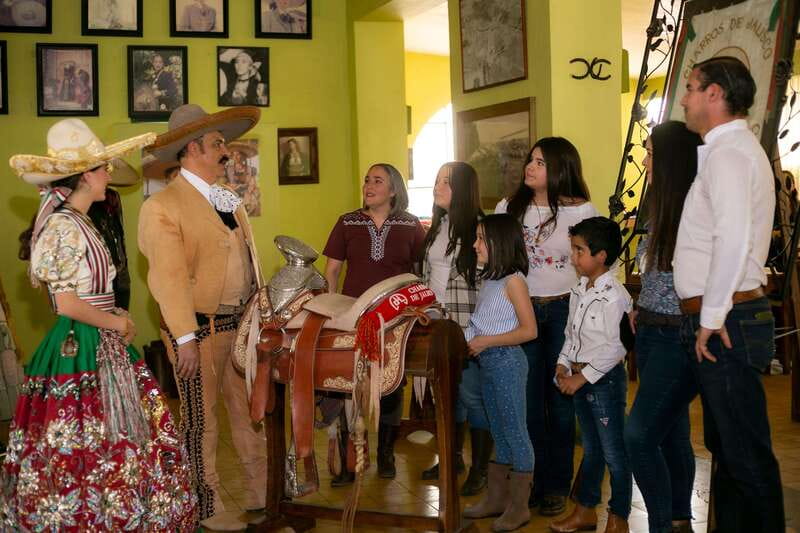
- See the craft up close: The arena museum displays charro costumes, saddles, ropes, and other accessories.
- Sunday can add a full charreada: Competition may be taking place at the lienzo, the Mexican cowboy arena.
- Guides make the difference: Jorge is frequently named for his storytelling, music, kindness, and care with families.
- Good value at $47: Pickup, admission, water, a four-hour guided visit, and two alcoholic drinks are included.
Why charrería matters in Jalisco
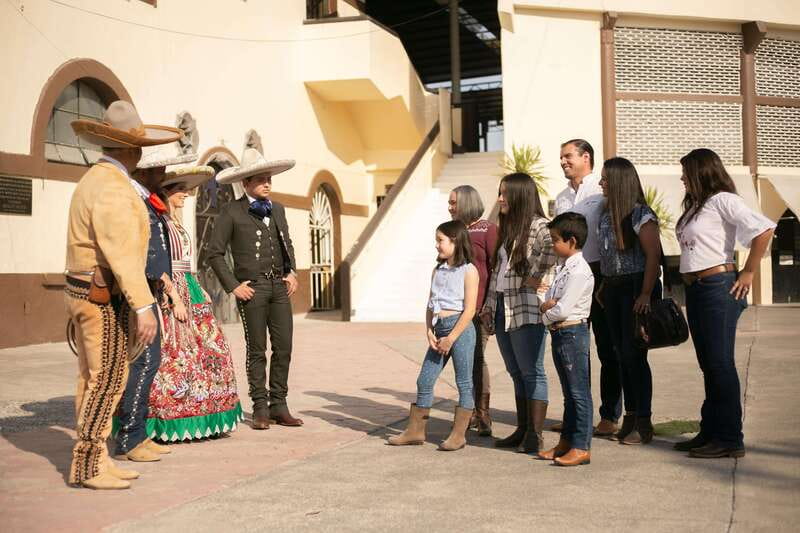
Charrería is more than a Mexican version of an American rodeo. It is a social tradition built around horsemanship, formal clothing, music, ceremony, and a strong sense of identity. This tour explains why the charro is recognized as part of Mexican cultural heritage by UNESCO.
That context matters. Without it, you might see a wide-brimmed sombrero, embroidered jacket, and silver-trimmed saddle as attractive costumes. At the lienzo, you learn that each piece carries meaning and reflects the pride charros place in presenting themselves well.
The tour takes place at Campo Charro Jalisco, a lienzo used for charrería activities. You begin with a drive from one of three pickup areas: Chapultepec Country, Guadalajara, or Tlaquepaque. The ride includes an introduction to city history and neighborhoods tied to the early development of charrería.
I like this opening because it connects Guadalajara to the tradition before you arrive at the arena. You are not dropped into an isolated activity with no explanation. The city itself provides the first piece of the story.
More history-led days around Guadalajara:
- From Guadalajara to Chapala Lake: Funny and cultural tour
★ 4.2 · 38 reviews - Historic Downtown Walking Tour
★ 5.0 · 1,289 reviews - Historic Center Food Tour in Mexico City
★ 5.0 · 1,263 reviews
Arriving at the lienzo and meeting the charros
At the arena, a charro guide welcomes you and introduces the origins of the tradition. The tone is personal and informal, with the guide doing much of the talking and demonstration rather than leaving you to read signs on your own.
Guides named in the tour’s feedback include Jorge, Marcos, Mateo, and Jesús. Jorge receives particularly strong praise for his storytelling, singing, music, patience, and attention to families. You should understand that the exact guide may vary, but the experience is designed around a live English or Spanish-speaking guide.
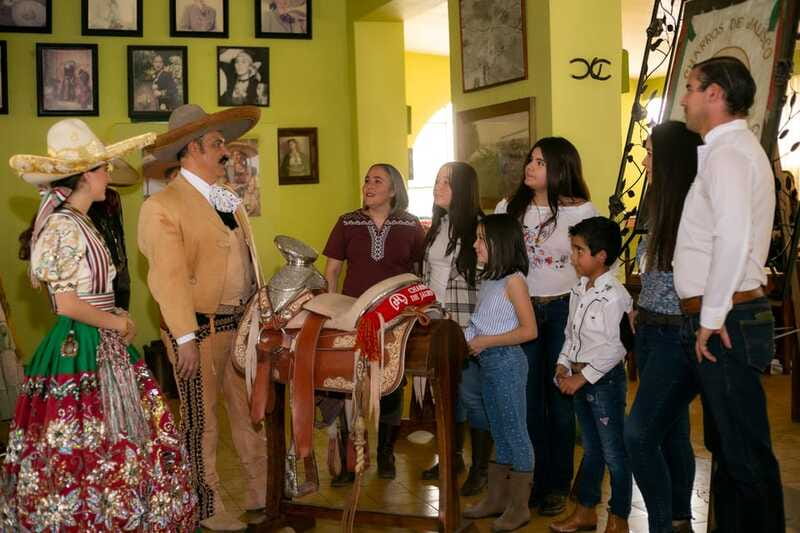
The museum portion gives you time to look at traditional charro clothing and equipment. Expect to see different costumes and accessories used during Sunday charreadas. You may notice embroidered jackets, wide hats, saddles, boots, ropes, and other items connected with the formal presentation of a charro.
This is one of the most useful parts for first-time visitors. The clothing is not a theatrical extra added for tourists. It is part of the ceremony and public identity of charrería. The careful details help explain why charros take such pride in their appearance.
Ropes, loops, and your first charro lesson
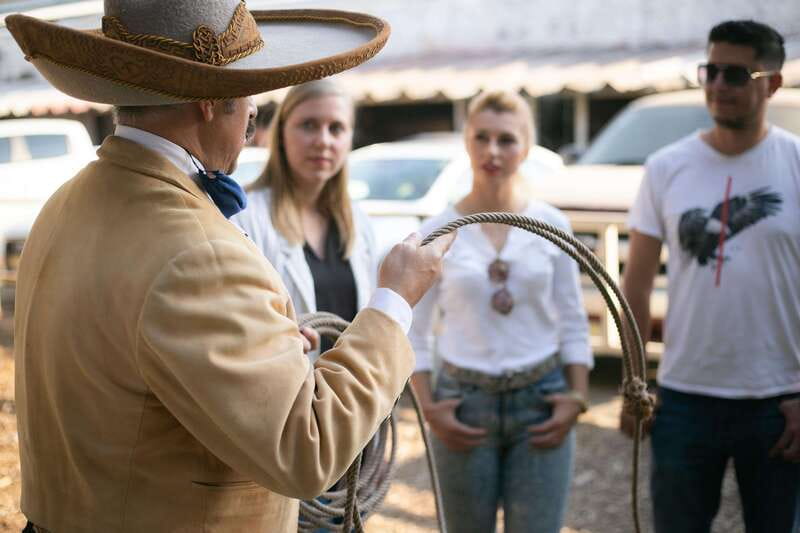
The lasso workshop is where the tour shifts from history to practice. Your guide explains how a Mexican lasso differs from ropes used in other cultures, then shows you how to hold, carry, and throw it toward a target.
Do not expect to master the technique in a few minutes. That is part of the fun. The first attempt may produce a crooked loop or a rope that lands nowhere near its target. Your guide can correct your grip and timing, making the activity approachable even if you have never handled a lasso.
Some sessions include practice with a wooden bull before you work with a real, well-trained animal. This gives you a safer introduction to the movements and lets you understand the team-based nature of some charro tasks. The experience is not only about an individual rider showing off. Coordination between horse, rider, and other charros is central.
You should also ask questions during this section. The guides use demonstrations to explain technique, but the cultural setting is just as important. You learn why the rope matters and how these skills fit within the competitive events that follow.
Brushing, saddling, and choosing horses for the parade
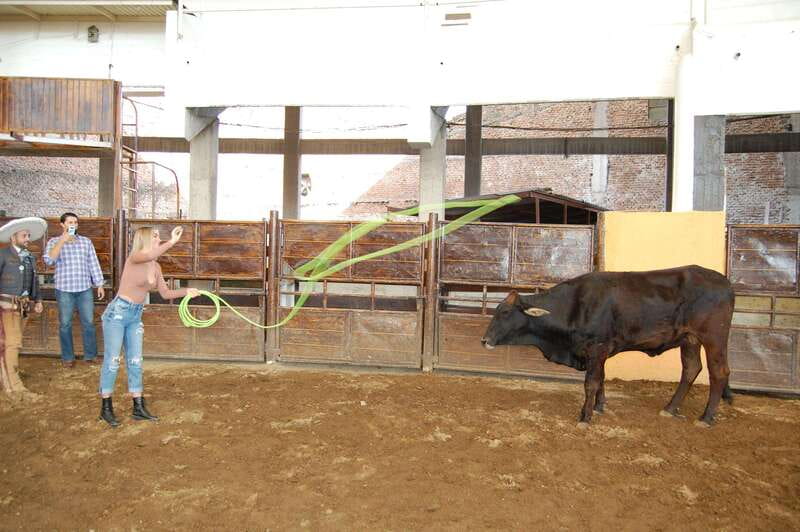
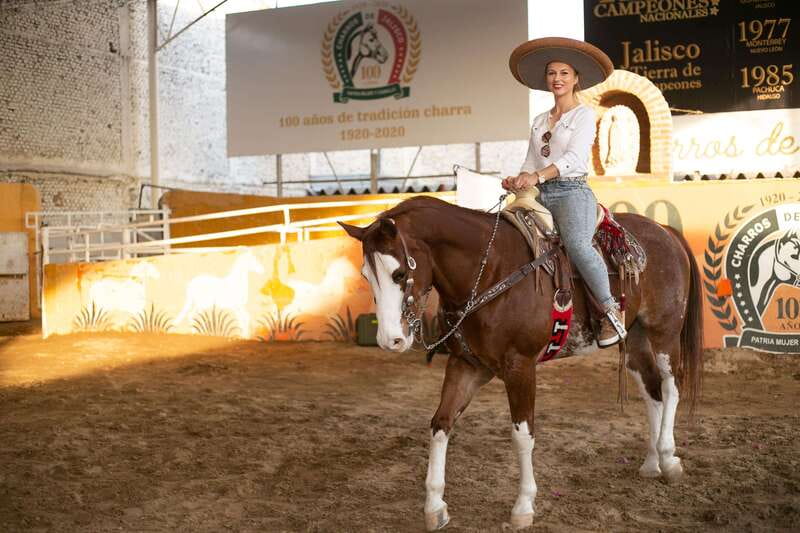
Before the parade, you help brush and saddle the horses. This is a welcome change from many animal-focused tours, where visitors only take a short ride and never learn how the animals are prepared.
Here, the horse is part of the complete ritual. You see how the animals are readied, how equipment is placed, and how horses are selected for the opening procession. The pace can feel relaxed, especially for children or first-time riders, because you are given time to get familiar with the setting.
Several people describe the horses as a highlight, with special attention given to Jorge’s beautiful animals. The tour’s information says you may ride alongside the charros if conditions allow. That wording is important: riding in the parade is possible, not guaranteed.
If you do ride, you become part of the public opening of the charrería event rather than watching from the edge. If you do not, you still see how the horses and riders prepare for their entrance. Wear clothing that can handle dust, and choose practical shoes rather than polished city footwear.
A different kind of day out, same stretch of Mexico:
- Full Day Tour to Tequila and Amatitán with Fun and Culture
★ 5.0 · 681 reviews - The Agave Experience Tequila Tour in Jalisco
★ 5.0 · 520 reviews - Tour to Lake Chapala, MAGIC TOWN of Ajijic from Guadalajara
★ 4.5 · 476 reviews - Walk Guadalajara!
★ 5.0 · 474 reviews
The horse parade and the charreada itself
The horse parade opens the charreada. It gives the event a formal start and lets you see the charros in full presentation, mounted and dressed for the occasion.
A full charreada includes competitive activities similar to rodeo, but the style and traditions are distinctly Mexican. Your guide explains each task as it happens, helping you follow the action instead of watching a series of unfamiliar maneuvers.
Some visits coincide with competitions at the arena. When that happens, you may stay to watch the event and receive a closer welcome from the local charros. Other days may focus more on instruction and practice. If attending a full Sunday charreada is especially important to you, check the schedule before booking rather than assuming every departure includes a competition.
The bull-related activities can be exciting, but they may not suit everyone. The animals used in the tour’s demonstrations are described as trained or not wild, yet the activity still involves ropes, horses, and livestock. Keep a reasonable distance when instructed, listen closely to your guide, and tell the staff if you are uncomfortable.
Tequila, mariachi, and the human side of the visit
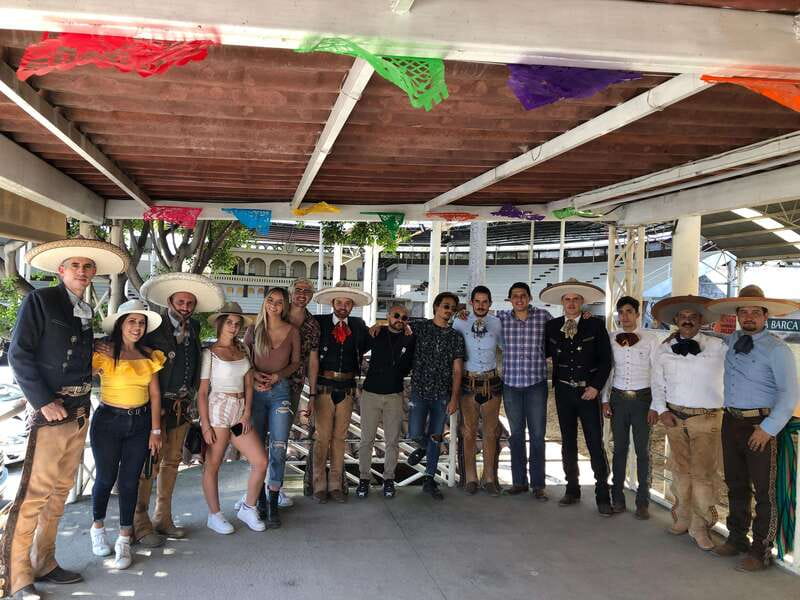
The final gathering gives the tour its social character. You share two alcoholic drinks, either beer or tequila, and listen to mariachi guitars. The mood is a relaxed celebration after the practical lessons and arena activities.
Some descriptions refer to a wine tasting in the itinerary, while the inclusions specifically list two alcoholic drinks, beer or tequila. I would treat the included drinks as the reliable detail and not book this expecting a formal wine program.
The mariachi finish is especially appealing because it ties the outing back to Jalisco’s musical and festive traditions. In some sessions, the guide may also sing, play music, or share a poem about the nobility of a true charro. Those personal touches are not listed as guaranteed parts of every visit, but they help explain why this experience can feel more like an invitation into a local tradition than a standard sightseeing stop.
Food is not included. Since the tour lasts four hours, you may want to eat beforehand or arrange your next meal around the end of the activity. The tour does include a bottle of water, but a little planning is wise if you need a full meal during the day.
What the $47 price really covers
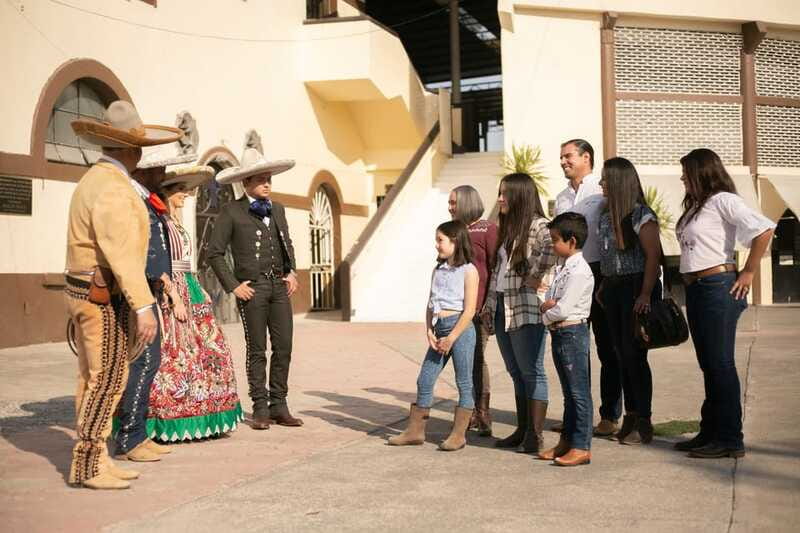
At $47 per person, this is a strong value if you want active cultural learning rather than passive sightseeing. The price includes pickup, entrance to the venue, a four-hour guided experience, water, the workshop, horse-related activities, and two alcoholic drinks.
You are also paying for access to a working cultural setting and for instruction that would be difficult to arrange independently. A museum visit alone would show you the objects, but it would not teach you how to throw the rope, prepare a horse, or understand the parade.
The value is greatest for anyone who wants several kinds of activity in one morning or afternoon. You get history, costumes, animals, horsemanship, a lasso lesson, and music. It is less useful if you only want to watch a professional competition from the stands, since the format focuses on participation and explanation.
Pickup is included from Chapultepec Country, Guadalajara, or Tlaquepaque. Drop-off is not included, so allow time and money for your return after the four-hour experience. The transport has received a 90 percent perfect-score rating, which suggests the pickup service is a dependable part of the arrangement, though you should still confirm the selected pickup point and start time.
Who will enjoy this most
I would recommend the tour to first-time visitors who want a cultural activity tied closely to Jalisco. It suits solo visitors as well as families, and one family with an elementary-aged child found the pace attentive and engaging.
It is also a good choice if you have already seen Guadalajara’s central sights and want something less conventional. You do not need prior horse experience to take part in the basic lessons, and the guides explain the activities as you go.
This may not be your best pick if you dislike horses, livestock, dust, alcohol, or hands-on demonstrations. Horse and dust allergies are specifically noted, so bring medication if needed. You should also be comfortable with the possibility that a planned riding or competition element could change based on the day.
The tour works particularly well for people who enjoy meeting local specialists. The strongest feature is not a single trick with a rope. It is the chance to spend time with people who take pride in charrería and want you to understand why it matters.
Language, timing, and practical planning
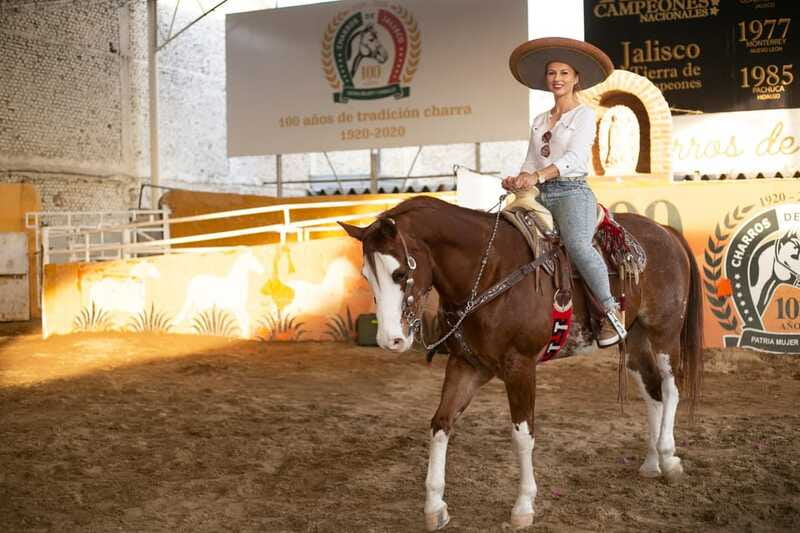
The tour is offered in English and Spanish. Since much of the value comes from the guide’s explanations, choose the language in which you can follow detailed instructions and historical context most easily.
The stated duration is four hours. That is long enough for a proper introduction without consuming your entire day in Guadalajara. Starting times vary, so check availability when booking.
You can cancel up to 24 hours in advance for a full refund, and you can reserve now and pay later. Those terms are useful if your Guadalajara plans are still shifting. The activity also offers skip-the-ticket-line entry, though the bigger benefit here is having transport and admission handled together.
Wear clothes suitable for dust and horse contact. Bring any allergy medication you may need. Since the tour includes alcohol but no food, eat ahead of time if you prefer not to wait until afterward.
Should you book the Charro and Charreada Cultural Tour?
Book it if you want to understand a distinctly Mexican tradition through direct participation. The combination of museum objects, lasso practice, horse preparation, possible riding, arena action, tequila, and mariachi gives you much more than a short cultural talk.
I would be especially keen to book on a Sunday if the schedule allows, since that may add a full charreada competition. Just keep your expectations flexible about parade riding and the exact closing entertainment.
At $47, the tour earns its price through access, transport, instruction, and the personal attention of the charro guides. Skip it if you want a quiet museum visit or a guaranteed professional rodeo performance. Choose it if you want to meet the people behind the tradition and try a few charro skills yourself.
FAQ
Where does the tour take place?
The main activity takes place at Campo Charro Jalisco, a lienzo, or Mexican cowboy arena, in Jalisco.
Where can I be picked up?
Pickup is available from Chapultepec Country, Guadalajara, and Tlaquepaque.
How long does the experience last?
The tour lasts four hours.
Is transportation included?
Pickup service is included. Drop-off service is not included.
Is the tour offered in English?
Yes. The live guide can conduct the tour in English or Spanish.
What activities are included?
The experience includes a guided visit, a museum introduction, a lasso workshop, horse brushing and saddling, horse riding, and traditional charro activities. Riding in the parade depends on availability.
Will I see a full charreada competition?
You may see a competition if one is taking place at the arena on the day of your visit. A full competition is not guaranteed for every departure.
Are drinks included?
Yes. Two alcoholic drinks are included, either beer or tequila. A bottle of water is also included.
Is food included?
No. Food is not included in the price.
What should I know about allergies?
Some people are allergic to dust or horses during the tour. If you have allergies, bring your medication with you.
Can I cancel the booking?
Yes. You can cancel up to 24 hours in advance for a full refund. You can also reserve the activity and pay later.
Recently reviewed around Guadalajara
- Chapala and Ajijic Tour from Guadalajara with 3 Potrillos★ 3.9 · 57 reviews
- Guadalajara: Tequila Day Trip with Jose Cuervo Option★ 4.7 · 80 reviews
- Premium Tequila Route with professional tasting★ 4.9 · 139 reviews
- Guadalajara: Selva Magica Park with VIPPass★ 4.0 · 35 reviews
- Guadalajara: Guided Tlaquepaque Night Tour with Hotel Pickup★ 3.7 · 51 reviews
- Guadalajara: Premium Tequila Tour with Tastings and Pairings★ 4.8 · 144 reviews
- Guadalajara: Lake Chapala and Ajijic Day Trip with Boat Trip★ 4.7 · 242 reviews
- Guadalajara: Culture, Architecture, and Market Walking Tour★ 5.0 · 81 reviews
Historical Tours, compared.
Mexico City Historical Centre Food Tour with 7 Authentic Tastings
Read our review →
Historical and Cultural Walking Tour of San Miguel de Allende
Read our review →
Historical and Cultural Walking Tour of San José del Cabo
Read our review →
Historical & Cultural Walking Tour of San Miguel de Allende
Read our review →Browse the lists this tour appears in