
Reviewed · WORKSHOPS
Oaxaca de Juarez: Art Printing Workshop with a Local Artist
Oaxaca’s street art makes more sense once you have tried making a print yourself. At this three-hour workshop, you learn how local print culture connects art with social movements, food sovereignty, and daily life, then carve a woodblock and pull your own images onto paper. The small group, limited to six, keeps the instruction personal.
I like the patient, hands-on teaching and the fact that your souvenir is something you designed rather than something picked from a market shelf. I also like the setting: an indoor gallery and training center where young people and local artists work together. The main catch is practical: the prints need time to dry, so you may need to return the next day, and Sunday pickup is not available according to one detailed account.
In This Review
- Key points at a glance
- Why Oaxaca’s street prints matter
- Inside the Teolab gallery and foodlab
- Step one: choosing an image and making a plan
- Step two: carving the woodblock
- Step three: applying ink and making the print
- What you can take home, and when
- The instructors and the tone of the class
- Is $34 a fair price?
- Who will get the most from this workshop?
- Timing, language, and booking details
- Should you book it?
- FAQ
- How long does the Oaxaca art printing workshop last?
- Where does the workshop meet?
- What languages are available?
- How many people can join the class?
- Are materials provided?
- Can I take my artwork home immediately?
- Is the workshop suitable for beginners and wheelchair users?
Key points at a glance
- Three hours from sketch to print: Learn the basic process, carve a woodblock, apply ink, and produce your artwork.
- A genuine Oaxaca art connection: The workshop explains how printmaking appears in the city’s walls and public life.
- Beginner-friendly instruction: You receive demonstrations, tools, an apron, and one-to-one help.
- A small group of six: The limited size gives you a better chance to ask questions and receive carving tips.
- Plan for drying time: You may take home your woodblock and prints, but finished paper may need at least a day before pickup.
Why Oaxaca’s street prints matter
Oaxaca is full of public art, but printmaking here is not only decoration. It has been used to express political ideas, social concerns, and calls for food sovereignty. The city’s walls give you the broad picture. This workshop lets you handle one of the methods behind that visual language.
The introduction places the craft in its local setting. You learn about the origins of Oaxacan print culture and the way artists use accessible print techniques to share a social proposal. That context adds weight to what might otherwise be a pleasant afternoon with carving tools.
I appreciate that the lesson does not treat printmaking as a sealed-off studio exercise. Your instructor connects the work to Oaxaca’s public art and to the collective nature of the art center. Each participant makes an individual image, yet the finished pieces join a wider collection and shared artistic project.
That idea may sound grand, but it has a simple effect: you leave with more respect for the prints you see around town. Large works on thin tissue or Chinese paper can look effortless when pasted to a wall. After carving even a small block, you understand how much planning and physical work goes into them.
More Oaxaca trips worth a second look
- Flavors of Oaxaca: Cooking Class with No Set Menu and Local Market Tour
★ 4.5 · 333 reviews - Oaxacan Vegetarian Cooking Class
★ 5.0 · 235 reviews - Traditional Cooking Class with Minerva Lopez
★ 5.0 · 197 reviews
Inside the Teolab gallery and foodlab
The meeting point is an indoor gallery within the Teolab complex. The space also functions as a foodlab, innovation center, and training center for young people and others working toward a more humane community.
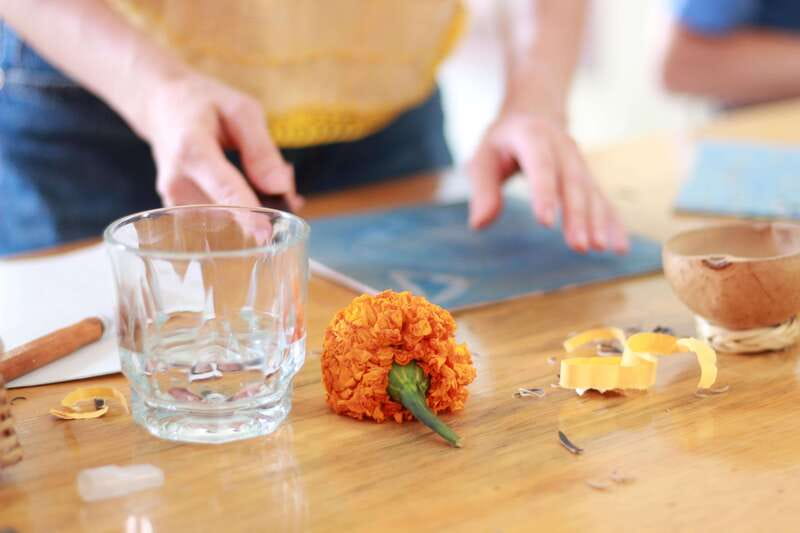
You are supplied with the working basics: a woodblock, apron, carving tools, ink and paper, along with the equipment needed to print. Water, tea, or coffee are included. Since the workshop takes place indoors, the activity gives you a useful break from Oaxaca’s streets, markets, and sun.
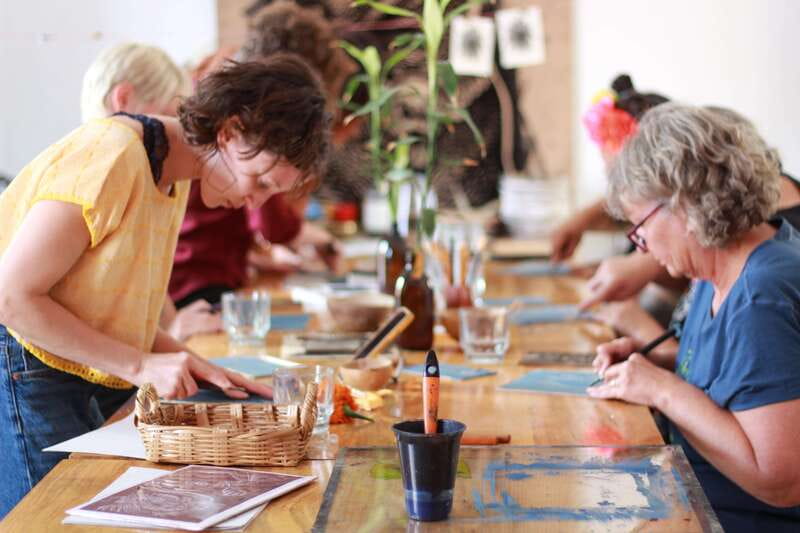
The gallery setting matters. You work among pieces created by artists in the collective rather than in a bare classroom. That gives you examples to look at while you plan your own image, and it helps explain why the workshop presents your artwork as part of a shared collection.
The facility has been described as pleasant and easy to reach on foot from the city center. Transportation is not included, so you make your own way there. The supplied information does not give a detailed route or exact street address, so check the meeting instructions carefully before setting out.
Step one: choosing an image and making a plan
The first creative decision is yours. You can arrive with a sketch or develop an idea during the session. One useful piece of advice is to think about a design before you go, especially if you want a recognizable image rather than an abstract pattern.
The instructor explains the overall process and shows examples before you begin. That early demonstration is valuable because woodblock printing works differently from drawing. The parts you cut away will remain blank, while the raised areas receive ink and create the image.
You will also need to think about reversal. A block prints a mirrored version of the design, which matters if your image contains lettering or a directional subject. The supplied information does not promise help with a specific design, but personalized advice is part of the session, so ask before you begin carving.
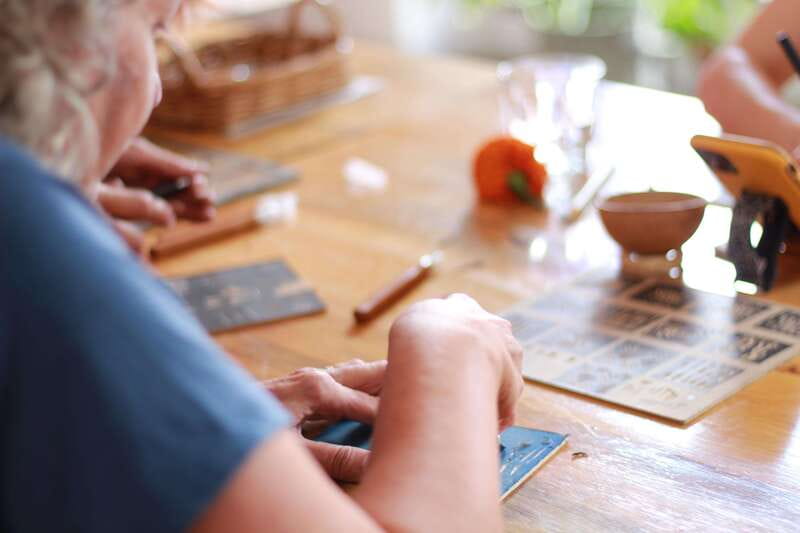
Beginners should not be put off by the word art. Several participants arrived with little or no experience and still completed a personal print. The instructor demonstrates the tools and techniques in person, then watches your progress and offers adjustments.
If you already make art, you will not be limited to a paint-by-numbers exercise. The workshop welcomes experienced participants and offers challenges and projects for people who want to push their technique further. The exact project can depend on the instructor and the group.
Step two: carving the woodblock
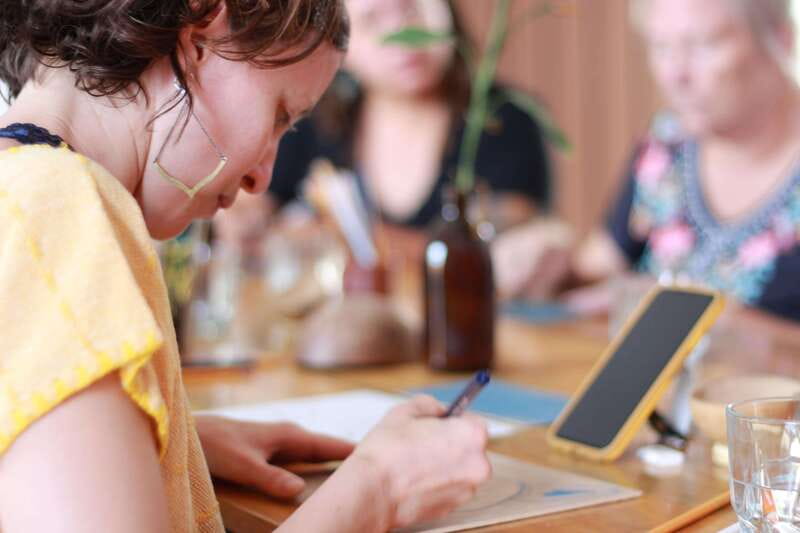
Carving is the slow, focused part of the class. You transfer or draw your design onto the block, then remove the sections that should stay unprinted. This is where patience matters more than artistic confidence.
A very useful practical tip is to cut away deeply enough. If the recessed sections are too shallow, ink can collect in them and muddy areas that should remain clear. Your instructor can show you how much material to remove and how to use the carving tools safely and effectively.
The pace is not rushed. The class lasts about three hours, and the structure allows time to draw, carve, and print. One participant received extra time to finish, but you should not count on an extended session if your design is especially detailed.
Your apron protects your clothing, though you should still choose something suitable for an art class. Alcohol and drugs are not allowed. The workshop is wheelchair accessible, and instruction is available in English or Spanish.
The small group is one of the strongest features. With a maximum of six people, an instructor can look at your block and point out problems before they affect the final print. That is especially helpful when you are learning pressure, depth, and the difference between a bold shape and a fragile line.
A different kind of day out, same stretch of Mexico:
- Hierve el Agua, Tule Tree, Mitla and Mezcal Distillery Tour
★ 4.5 · 1,094 reviews - Explore Hierve el Agua, Mitla, Tule, Textile and Mezcal for a day
★ 5.0 · 1,043 reviews - Monte Alban Guided Half Day Tour
★ 5.0 · 880 reviews - From Oaxaca de Juarez: Hierve el Agua and Mezcal Distillery
★ 4.9 · 615 reviews
Step three: applying ink and making the print
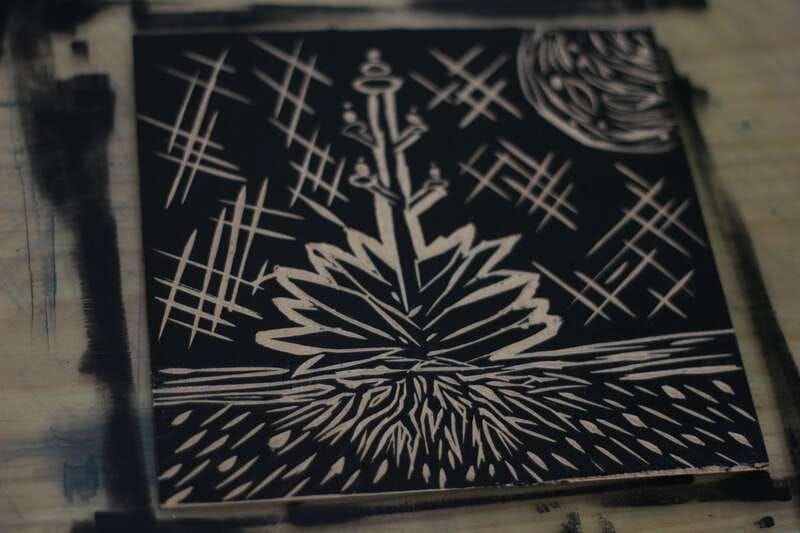
Once the block is carved, you move to the printing stage. Ink is applied to the raised surface, paper is placed over the design, and pressure transfers the image. The guide walks you through the process rather than leaving you to guess.
This is the moment when the block becomes a real artwork. Small carving choices suddenly show up as lines, gaps, and textures. Your first result may reveal places that need more cutting or a different amount of ink. That is normal, and the class is designed to let you learn through the process.
The equipment and materials are included in the $34 price. That is good value for an art class because you are not paying extra for basic tools, paper, or studio access. You also receive the woodblock and finished prints, giving you more than a brief demonstration.
The number of prints can vary in how it is explained, so ask your instructor what you will take home on the day. One detailed account reports receiving three prints plus the carved block. Other descriptions simply promise a unique personalized print. Either way, the main value is taking home something made during the class, not just watching an artist work.
What you can take home, and when
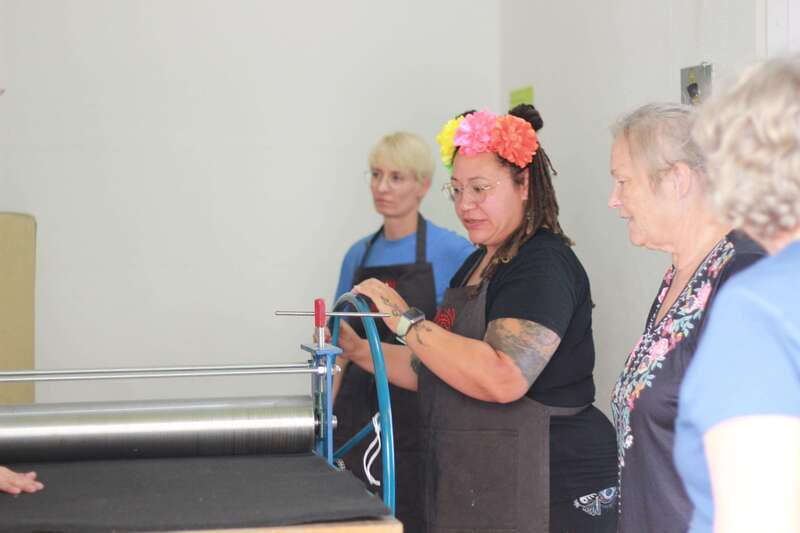
Your woodblock is included, and you can keep it as part of the souvenir. It is a useful reminder of the process and could allow you to explain how the image was made when you give a print to someone else.
The paper prints may need time to dry. Plan on at least 24 hours before collection if the instructor asks you to leave them at the gallery. This is the most important planning detail in the whole experience.
You should think of the workshop as a two-day commitment if you need to return for the finished paper. That matters even more for a Saturday class, since Sunday pickup is not available according to one participant’s account. Confirm the collection arrangement before booking if you are leaving Oaxaca soon.
Shipping is not included. If you cannot return for the dry prints, you will need to arrange and pay for transportation or shipping yourself. The activity information does not specify whether the gallery offers a standard mailing service, so do not assume that it does.
The instructors and the tone of the class
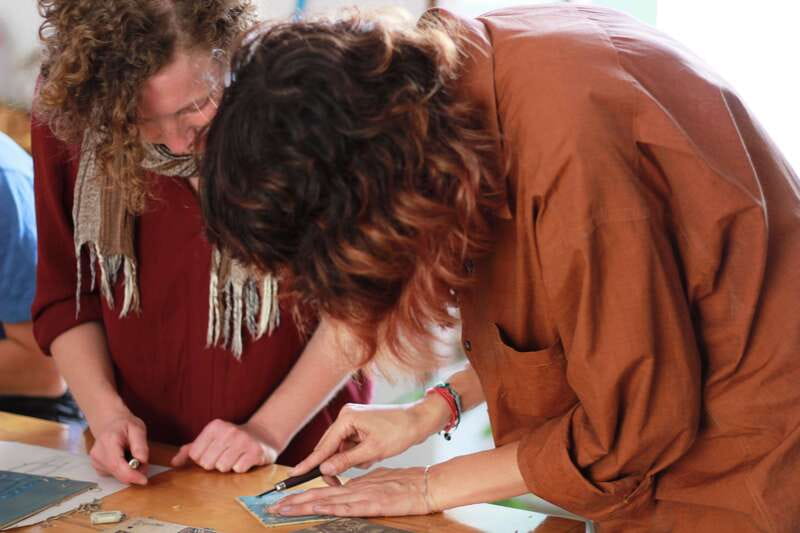
The instructors are local artists, and named teachers in participant accounts include Fernando, Roberto, Alexa, and Fabiola. One account also names Faviel, though the spelling is uncertain. Since staffing can change, treat these as examples rather than a guarantee of who will lead your session.
The teaching style is practical and encouraging. You receive a demonstration, then work with advice as you go. Fabiola was praised for being patient with beginners, while Fernando was singled out for strong guidance and an engaging explanation of the group’s story.
That personal help makes a difference. Printmaking has several small decisions that are hard to understand from written instructions alone. A teacher can show you how to hold a tool, where to cut deeper, and how to improve the inked surface before you waste paper.
The workshop also allows for quiet concentration. You spend several hours drawing and carving rather than rushing from one sight to another. If you enjoy making things with your hands, this can be a welcome change from sightseeing.
It is not the best choice if you want a fast activity with an instant souvenir. The carving takes time, and the drying period may complicate a short stay.
Is $34 a fair price?
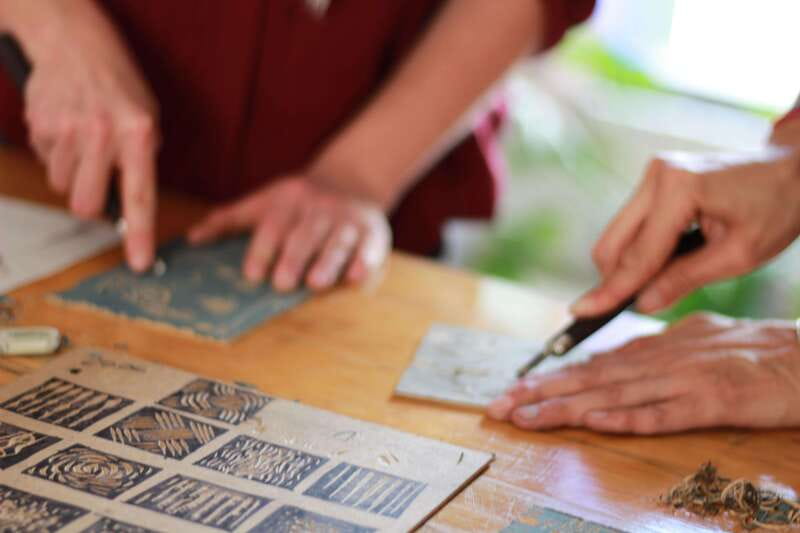
At $34 per person, the workshop is priced below many private art lessons while including an artist, studio space, tools, materials, an apron, drinks, and a woodblock. You also receive at least one finished print, with one detailed account reporting three.
The value is strongest if you care about the process. You are not simply buying a piece of Oaxaca art. You are learning how it is designed, carved, inked, and transferred, then making a piece connected to your own time in the city.
The price is less attractive if your schedule cannot accommodate pickup or if you do not want to carry a delicate paper artwork home. Shipping and transportation are extra, and additional materials for personal projects outside the class are not included.
I would compare it with the cost of buying a print in town. A market purchase may be cheaper and requires no studio time. This workshop gives you the story, the technique, the block, and the satisfaction of making the image yourself. For many people, that makes the $34 worthwhile.
Who will get the most from this workshop?
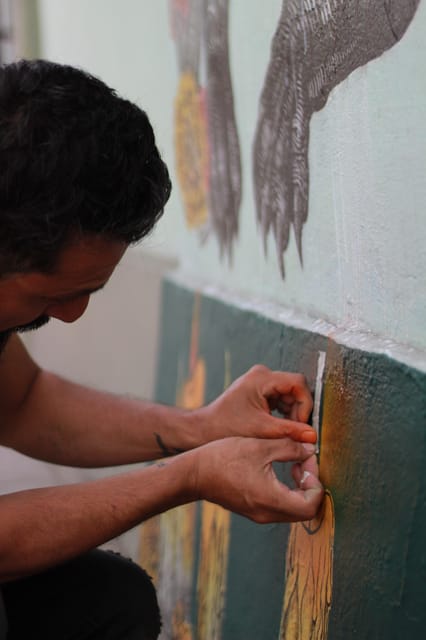
I would recommend it to first-time makers, art students, sketchers, and anyone who has noticed Oaxaca’s posters and wall prints but wants to understand their construction. You do not need to consider yourself creative. The instructor breaks the process into manageable steps.
It also suits couples, friends, and solo visitors who like a calm, social activity with a clear result. The group size is small enough for conversation and help, but the work still gives you time to concentrate on your own design.
Experienced printmakers can take advantage of the chance to work alongside local artists and adjust the project to their level. The class is not described as a professional studio residency, so advanced artists should keep expectations realistic. It is a guided workshop with room for creative choices.
Families with children should confirm age requirements before booking, since no minimum age is provided. The same applies to anyone with mobility needs: the activity is listed as wheelchair accessible, but the precise studio layout is not described.
Timing, language, and booking details
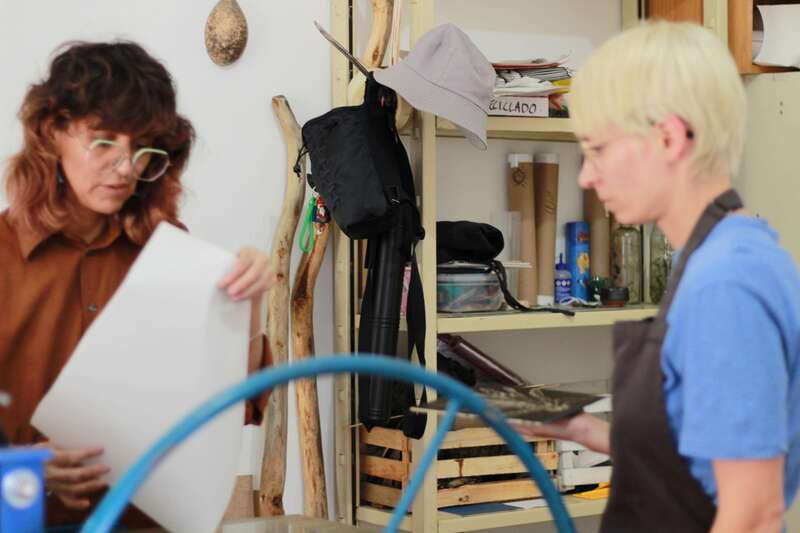
The activity lasts three hours, with starting times based on availability. English and Spanish instruction are offered. Since the group is limited to six, an available time may not remain open during busy periods, so check the calendar before building your day around it.
The meeting point is the gallery inside the Teolab complex, not a street tour departure point. You arrange your own transportation. The experience provider is Etnofood.
You can cancel up to 24 hours ahead for a full refund, and a reserve-now, pay-later option is available. Those terms are helpful if your Oaxaca plans are still shifting, but they do not solve the drying-time issue. The pickup plan is the detail to settle first.
Should you book it?
Book this workshop if you want a personal Oaxaca souvenir, enjoy learning by doing, and can spare three hours plus possible time to collect drying prints. The connection to local public art gives the activity more substance than a generic craft class, and the small group plus patient guidance makes it approachable.
Skip it if you are leaving town immediately, dislike detailed handwork, or want a finished object with no follow-up. For everyone else, $34 buys a useful lesson, quality studio access, a woodblock, and a print tied to your own idea. I would bring a simple sketch, wear practical clothes, and leave enough room in your schedule for the artwork to dry.
FAQ
How long does the Oaxaca art printing workshop last?
The workshop lasts three hours. Starting times depend on availability.
Where does the workshop meet?
It meets at the provider’s indoor gallery, located within the Teolab complex.
What languages are available?
Instruction is available in English and Spanish.
How many people can join the class?
The workshop is a small-group activity limited to six participants.
Are materials provided?
Yes. The experience includes quality printing materials, a woodblock, an apron, studio equipment, and access to the tools needed for the artwork. Water, tea, or coffee are also included.
Can I take my artwork home immediately?
You may need to wait at least 24 hours for the prints to dry before collecting them. Transportation or shipping for the artwork is not included. If you attend on Saturday, confirm pickup timing because Sunday closure was specifically noted.
Is the workshop suitable for beginners and wheelchair users?
Yes. Beginners receive demonstrations and personal guidance, and the activity is listed as wheelchair accessible. Experienced participants can also take on more challenging projects.
Recently reviewed around Oaxaca
- The Mezcal Journey★ 4.9 · 78 reviews
- Street Art with an artist★ 4.9 · 32 reviews
- Oaxaca: Traditional Oaxacan Cooking Class with Market Visit★ 4.9 · 80 reviews
- Oaxaca: San Martín Tilcajete, Jalieza & Ocotlán Crafts Route★ 4.6 · 48 reviews
- Oaxaca: Oaxacan Mole Workshop with a Traditional Cook★ 4.7 · 158 reviews
- Oaxaca: Monte Albán, Hierve el agua, Mezcal and Teotitlán★ 4.9 · 48 reviews
- Oaxaca: Early Arrival at Hierve el Agua + Pickup + Admission★ 4.4 · 105 reviews
- Oaxaca: Legends Tour Mezcalbús★ 3.9 · 34 reviews
Workshops, compared.
Cabo San Lucas Mexican Cooking Class Experience and Local Markets
Read our review →
Puerto Vallarta Cooking Class Experience with Market Tour
Read our review →
La Paz World Class Snorkeling in Balandras Hidden Beaches
Read our review →
Mexican Cooking Class with Food Market Visit in Mexico City
Read our review →
Bean to Bar Chocolate Workshop in Puerto Vallarta
Read our review →
Browse the lists this tour appears in