
Reviewed · WORKSHOPS
Oaxaca: Oaxacan Mole Workshop with a Traditional Cook
Oaxaca’s mole is not a quick sauce poured from a jar. It is a lesson in how chiles, cacao, herbs, fruit, and patience create layers of flavor. This 3.5-hour cooking workshop begins with a walk to a local market, then brings you back to Filoteo, a modern foodlab five blocks from the Zócalo, to cook and eat what you have prepared.
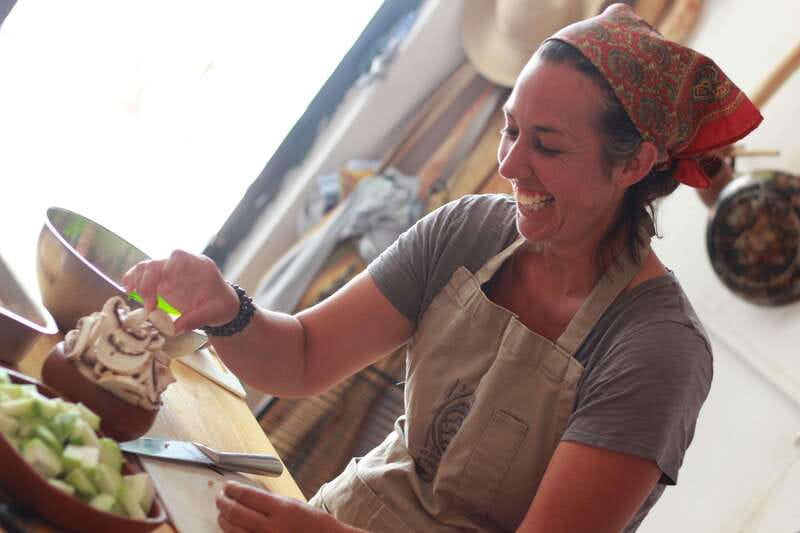
I like the market visit because it gives each ingredient a place and a story. I also like the hands-on format: you may chop, toast, blend, press tortillas, make quesadillas, and prepare several salsas rather than simply watch a chef work. Guides including Victor Ramirez, Quetzalli, Wendy, and Pablo are praised for warmth, humor, and clear instruction.
The main consideration is that the class can feel full and the cooking takes time. The published format is a small group limited to four, but some sessions have accommodated larger groups, so ask about the expected size if personal attention matters to you. Also, the exact mole may vary, and one session used green mole rather than the darker style some people expect.
In This Review
- Key points at a glance
- Starting near the Zócalo on Xicotencatl Street
- A local market walk before the first chop
- Learning what gives Oaxacan mole its character
- Tortillas, quesadillas, and the work between the steps
- The cook makes the difference
- Sitting down to eat what you made
- How the $64 price compares
- Group size, pace, and the kind of cook who will enjoy it
- What you can and cannot take home
- Should you book the Oaxacan Mole Workshop?
- FAQ
- Where does the Oaxacan mole workshop meet?
- How long does the experience last?
- Is the class offered in English?
- What food will I prepare?
- Is mezcal included?
- Is the workshop suitable for children or people with limited fitness?
Key points at a glance
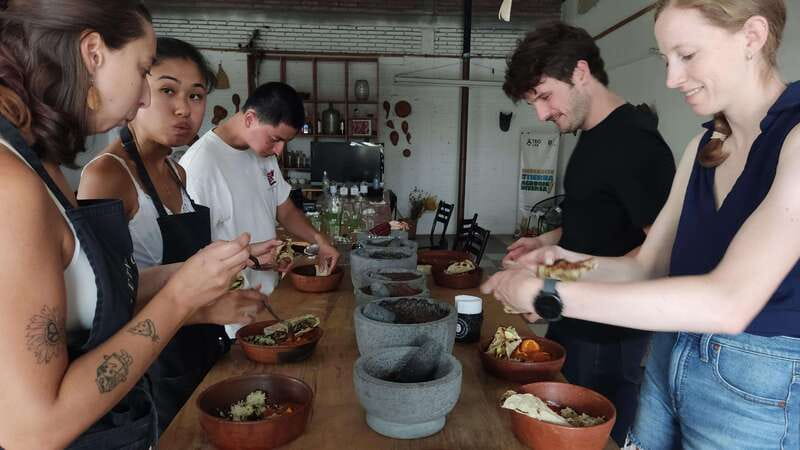
- Market-first format: Walk from Xicotencatl Street to a small local market and help choose the fruit, vegetables, chiles, cacao, herbs, and other ingredients.
- More than mole: Prepare mole alongside tortillas, quesadillas, guacamole or guacachile, pico de gallo, salsas, rice, vegetables, and a dessert, depending on the session.
- Traditional food with modern tools: You learn Oaxacan methods and cultural context, but the kitchen uses practical equipment such as a stove and blender.
- Warm teaching style: Victor Ramirez and Quetzalli are among the cooks associated with the class, with English and Spanish instruction available.
- A meal at the finish: Eat the food you helped prepare, with seasonal fruit-flavored water and mezcal for participants aged 18 and over.
- Good location, modest price: At $64 per person, the class includes ingredients, equipment, instruction, a market walk, and a substantial shared meal.
Starting near the Zócalo on Xicotencatl Street
You meet at Xicotencatl Street 609 in Oaxaca’s downtown district, about five blocks from the City Zócalo. Look for the Filoteo sign and the large dog pictured on the facade. Transportation is not included, but the central location makes this an easy activity to reach on foot if you are staying near the historic center.
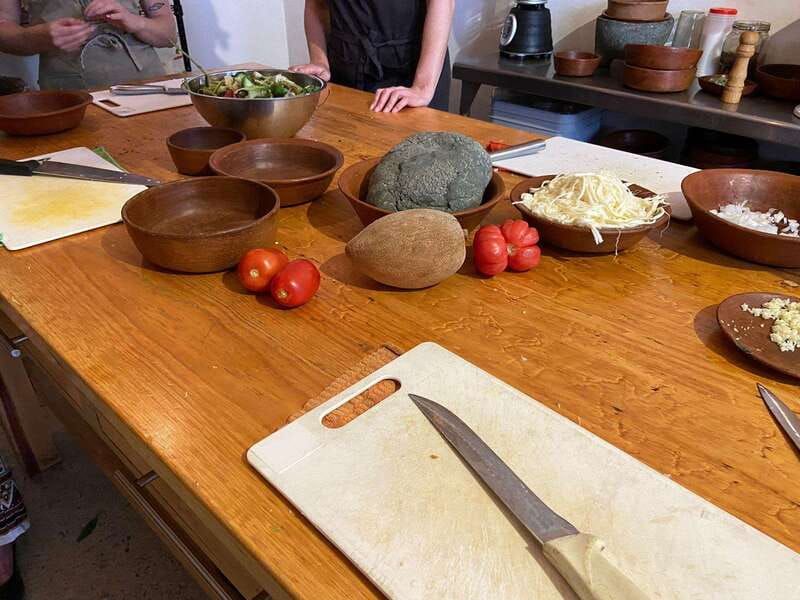
The venue is described as a clean, modern kitchen rather than a rustic home kitchen. That distinction matters. You get a comfortable place with the tools needed for a group class, but you should not expect to grind maize by hand or cook over an open fire. The experience connects you with traditional recipes and local food culture while using equipment that makes the session workable in three and a half hours.
Wear comfortable shoes. The market portion involves walking, and the class is not suited to people with back problems or a low level of fitness. Children under 10 cannot take part, and alcohol or drugs are not allowed.
More Oaxaca trips worth a second look
- Flavors of Oaxaca: Cooking Class with No Set Menu and Local Market Tour
★ 4.5 · 333 reviews - Oaxacan Vegetarian Cooking Class
★ 5.0 · 235 reviews - Traditional Cooking Class with Minerva Lopez
★ 5.0 · 197 reviews
A local market walk before the first chop
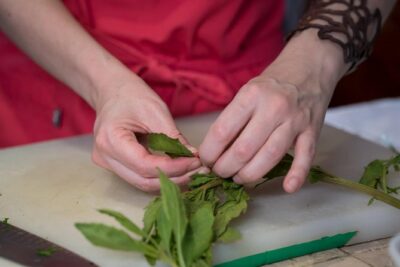
The first part of the workshop takes you to a local market to gather ingredients for the meal. This is one of the most useful parts of the day because the cook can explain what you are buying before it reaches the cutting board.
You may learn about regional vegetables, fruit, chiles, herbs, cacao, and quesillo, the stringy Oaxacan cheese used in many local dishes. The market also puts the class in a wider setting. Instead of treating mole as an isolated recipe, you see the produce and small food businesses that support Oaxaca’s cooking traditions.
The market is described as a quieter local place away from the main tourist route. That makes the visit feel practical rather than staged. You are there to select food, ask questions, and understand ingredients, not just take photos.
The walking portion can be moderate, so plan this for a day when you have energy. If you have limited mobility or back trouble, this is an important reason to choose another activity. The class does not provide transportation to or from the venue.
Learning what gives Oaxacan mole its character
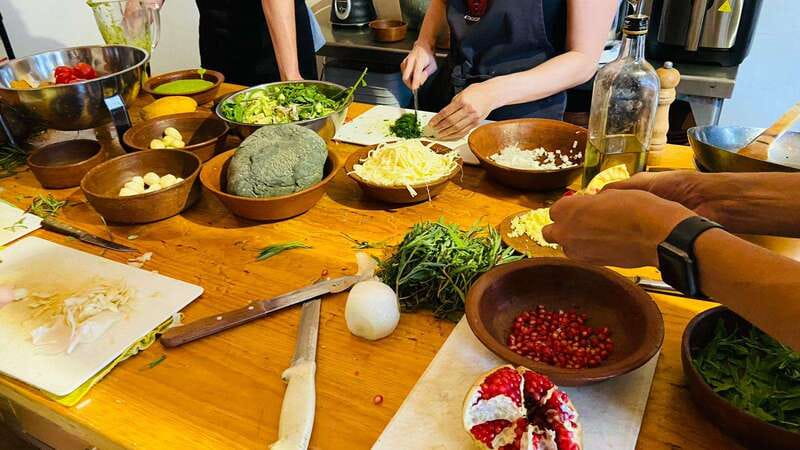
Back in the kitchen, the cook explains the ingredients and method for the mole. The class includes information about the history and culture of the dish, with several participants learning about Zapotec traditions and the importance of sharing food within that culture.
The word mole covers several very different preparations. A dark mole can involve a long list of toasted, ground, sweet, spicy, and savory ingredients, while a green mole may rely more heavily on fresh herbs and vegetables. The description promises Oaxacan mole, but the finished style can change with the day and the available produce.
That point is worth clarifying before you book if your main goal is black mole. One participant expected a more involved dark-mole process and instead made green mole, with much of the preparation involving herbs, vegetables, and a blender. You still learn about the dish, but the technical challenge and flavor profile may not match your idea of traditional mole.
The class is hands-on. You are not simply handed a finished plate while the cook performs. You may clean produce, chop, mix, cook, blend, and adjust flavors with real-time guidance. Beginners are welcome in practice, since the cooks explain each stage and assign tasks, but you should be ready to take part rather than stand back.
Tortillas, quesadillas, and the work between the steps
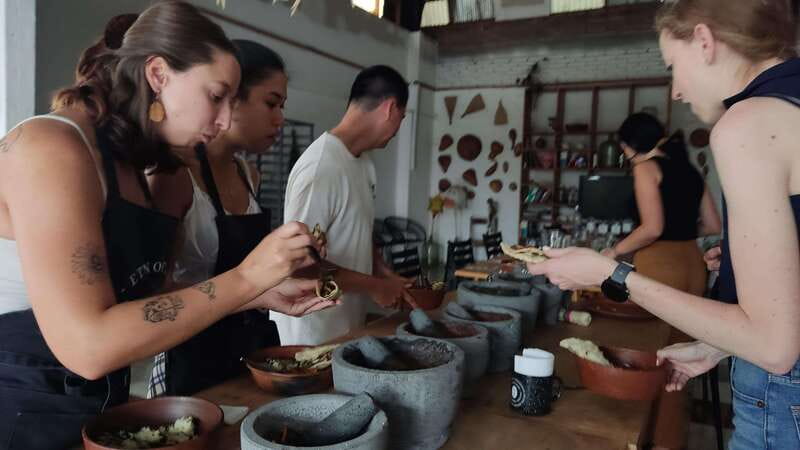
The mole is the star, but the supporting dishes are a major part of the experience. Sessions have included handmade tortillas, quesadillas, two salsas, pico de gallo, guacamole or guacachile, rice, prepared vegetables, and a dessert.
Making tortillas from prepared masa gives you a feel for the process without turning the class into a full-day maize workshop. You press and shape the dough, cook it, and use it for the meal. It is a simple task, but it helps you understand why fresh tortillas taste different from packaged ones.
Quesadillas also add a welcome practical element. You learn to handle the masa and local cheese, then see how a few basic ingredients become a familiar Oaxacan dish. The salsa work brings another lesson: chiles can change a dish more through aroma and texture than through heat alone.
Expect plenty of small jobs. This is useful if you enjoy cooking and want to leave with techniques you can repeat at home. It can feel slow if you mainly want a quick lesson focused only on mole. One participant also felt the group prepared more food than needed, especially when only three people attended, so the quantity of cooking may be generous.
A different kind of day out, same stretch of Mexico:
- Hierve el Agua, Tule Tree, Mitla and Mezcal Distillery Tour
★ 4.5 · 1,094 reviews - Explore Hierve el Agua, Mitla, Tule, Textile and Mezcal for a day
★ 5.0 · 1,043 reviews - Monte Alban Guided Half Day Tour
★ 5.0 · 880 reviews - From Oaxaca de Juarez: Hierve el Agua and Mezcal Distillery
★ 4.9 · 615 reviews
The cook makes the difference
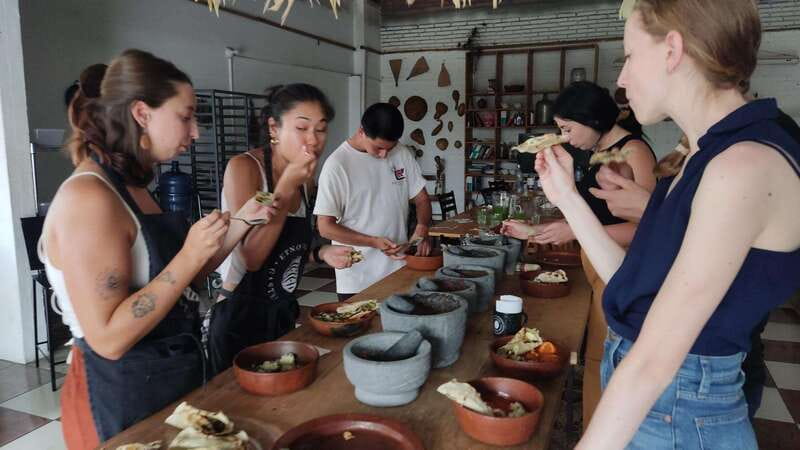
The strongest part of the workshop is the teaching style. Victor Ramirez is frequently associated with the class, and Quetzalli, Wendy, and Pablo also lead sessions. The exact cook depends on the date, but the teaching approach is personal and conversational.
Victor is described as funny, warm, and deeply attached to local food and Zapotec culture. He has explained market produce, cooking terms, family traditions, and the importance of supporting small local businesses. Other instructors have made a point of giving every person a task and checking for questions as the food comes together.
That matters in a small cooking class. A good cook does not merely recite measurements. The useful lessons are often the practical ones: how to choose produce, what a chile contributes, how to balance a salsa, and how to bring several dishes to the table at the right time.
English and Spanish are both offered. Some participants have used the session as a relaxed chance to practise Spanish, while English-speaking visitors have found the instruction easy to follow. If a specific instructor matters to you, confirm who is scheduled, since several cooks are connected with the experience.
Sitting down to eat what you made
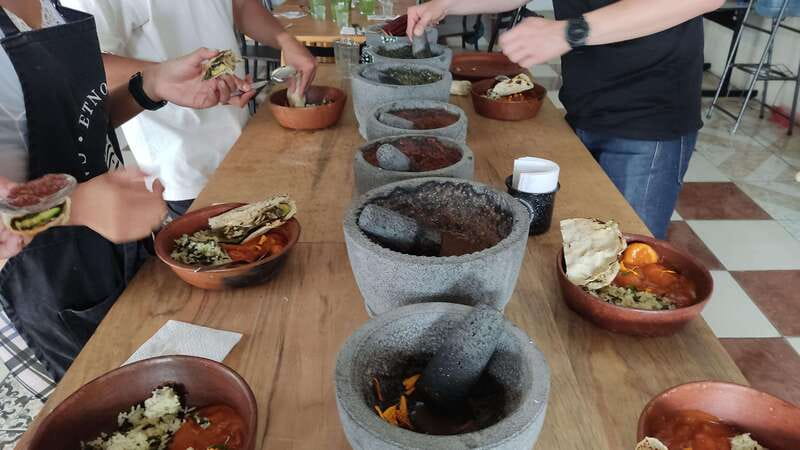
At the end, you taste the mole and the rest of the meal together. This shared table is more than a reward for the chopping and stirring. It lets you compare the finished dishes, see how the flavors work together, and ask final questions while everything is fresh.
The meal can be quite substantial because the class often covers more than one dish. Seasonal fruit-flavored water is included, and adults aged 18 and over receive mezcal to accompany the food. Extra food and drinks are not included, so do not assume the class covers anything beyond the stated menu.
Dietary restrictions may be accommodated, but you should communicate them before the class. One session handled restrictions successfully, but the available details do not promise every request can be met. It is sensible to ask in advance, especially if your diet excludes chiles, dairy, nuts, or animal products.
Food safety and personal tolerance are also worth keeping in mind. One person reported stomach pain after the meal, though that does not establish a general problem with the class. If you have a sensitive stomach, explain your needs clearly and be cautious with unfamiliar ingredients, rich sauces, and mezcal.
How the $64 price compares
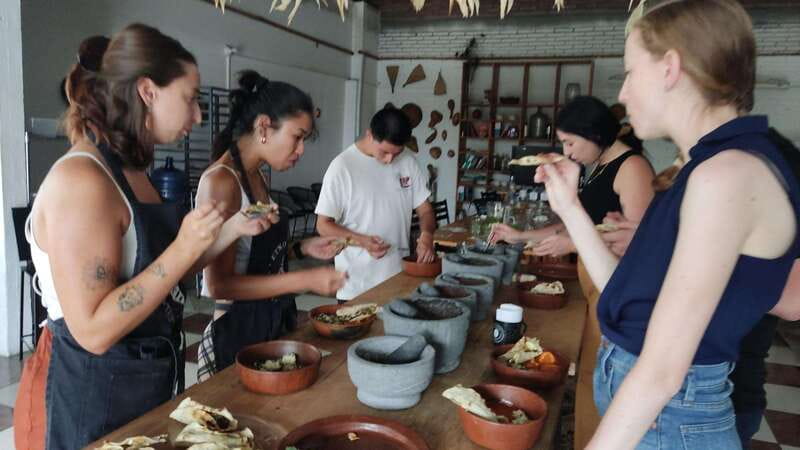
At $64 per person, the price is fair if you value a full activity rather than a short demonstration. Your fee covers the market visit, fresh ingredients, cooking tools, instruction, cultural background, the finished meal, fruit water, and mezcal for adults.
The value is strongest for people who want several hours of contact with Oaxacan food. You are paying for guidance and context as much as for lunch. The cooks help you understand ingredients that may be difficult to identify or buy at home, even if you cannot reproduce every recipe exactly after returning home.
The value drops a little if you only want to master a single mole. The class may include many side dishes, and the exact recipe can change. You could spend a good part of the session making tortillas and quesadillas, with less time devoted to the slow, complex preparation associated with darker moles.
The reserve-now, pay-later option lets you hold a place without paying immediately. Free cancellation is available up to 24 hours before the activity for a full refund. Starting times depend on availability, and the full session lasts about three and a half hours, so avoid booking it too close to another fixed plan.
Group size, pace, and the kind of cook who will enjoy it
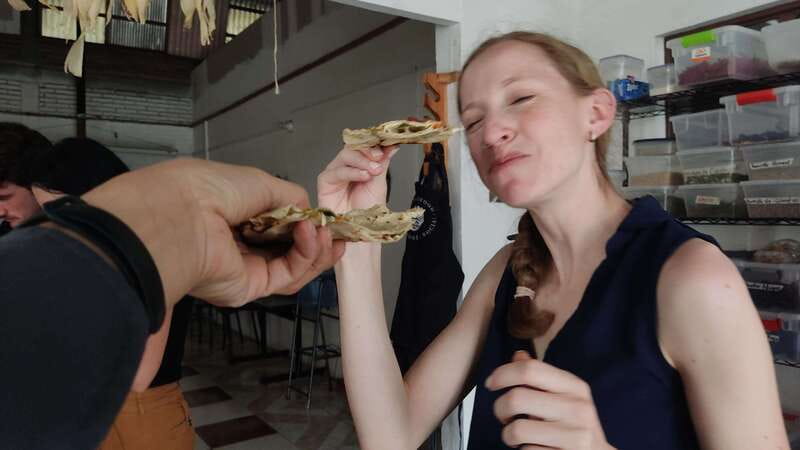
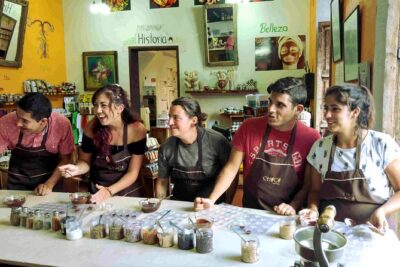
The activity is described as a small group limited to four participants. A small class should give you more chances to ask questions and more direct time with the cook. Still, group sizes have varied, with some sessions accommodating more people, so confirm the number for your chosen date.
A larger group can bring more social energy and make the final meal lively. It can also mean waiting for a turn at the cutting board or stove. If you want close instruction, select a quieter date or ask the operator about the expected attendance.
You do not need advanced cooking skills. First-time cooks have been able to follow the steps because the guides explain the process and offer help. You do need a willingness to work, stand, walk to the market, and handle several tasks over a long session.
This is a particularly good choice if you want to understand Oaxaca through food instead of only eating in restaurants. It suits couples, solo visitors, and people who enjoy meeting an international group around a shared table. It is less suitable if you need a short, polished demonstration or have trouble standing and walking.
What you can and cannot take home
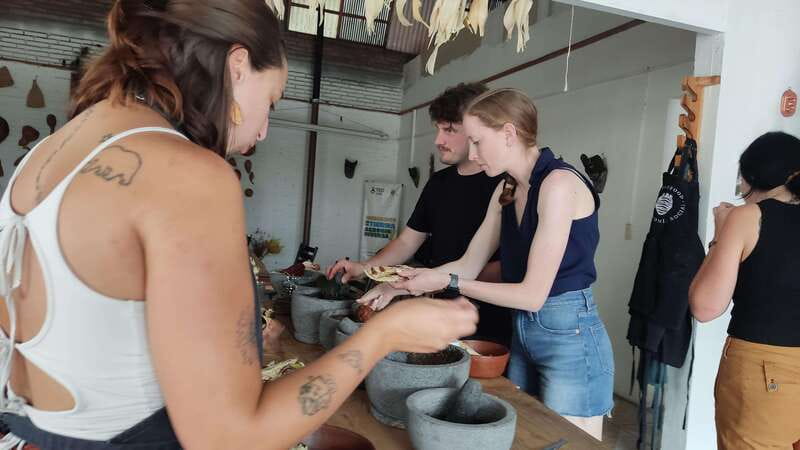
The class gives you cooking tips, ingredient guidance, and a better sense of how Oaxacan dishes are built. You may be able to recreate the salsas, tortillas, quesadillas, or a simplified mole at home.
Some ingredients may be hard to find outside Mexico. That is not a flaw, but it changes what you should expect. The lasting benefit may be learning how local cooks think about flavor, texture, and seasonality rather than leaving with a recipe that works unchanged in every supermarket.
Ask questions as you go. The format includes time for real-time feedback, and the cooks are there to help you understand why a step matters. If you are offered a task, accept it. The best parts of the class come from chopping, stirring, shaping, tasting, and making small adjustments yourself.
Should you book the Oaxacan Mole Workshop?
Book it if you want a friendly, active introduction to Oaxacan cooking, especially if a market visit and cultural background appeal to you. The combination of fresh ingredients, local food stories, several hands-on dishes, and a shared meal gives you more substance than a basic recipe demonstration.
Think twice if your only goal is an elaborate black-mole lesson. Ask which mole will be prepared, how many people are booked, and whether your dietary needs can be handled. For most food-minded visitors, the $64 cost is good value, provided you enjoy a steady pace and are happy to cook more than one dish.
FAQ
Where does the Oaxacan mole workshop meet?
It meets at Filoteo, a foodlab at Xicotencatl Street 609 in Oaxaca’s downtown district. The venue is about five blocks from the City Zócalo and has a Filoteo sign and a large dog on the facade.
How long does the experience last?
The workshop lasts 3.5 hours. Starting times vary, so you need to check availability when booking.
Is the class offered in English?
Yes. The live tour guide can teach in English or Spanish.
What food will I prepare?
The class focuses on Oaxacan mole and may also include tortillas, quesadillas, salsas, guacamole or guacachile, pico de gallo, rice, vegetables, and a typical dessert. The exact dishes and mole style may vary.
Is mezcal included?
Yes, mezcal is included to accompany the mole for participants aged 18 and over. Seasonal fruit-flavored water is also included.
Is the workshop suitable for children or people with limited fitness?
Children under 10 are not permitted. The experience is not suitable for people with back problems or a low level of fitness because it includes a walk to the market and active cooking. Comfortable shoes are recommended.
Recently reviewed around Oaxaca
- The Mezcal Journey★ 4.9 · 78 reviews
- Street Art with an artist★ 4.9 · 32 reviews
- Oaxaca: Traditional Oaxacan Cooking Class with Market Visit★ 4.9 · 80 reviews
- Oaxaca: San Martín Tilcajete, Jalieza & Ocotlán Crafts Route★ 4.6 · 48 reviews
- Oaxaca: Monte Albán, Hierve el agua, Mezcal and Teotitlán★ 4.9 · 48 reviews
- Oaxaca: Early Arrival at Hierve el Agua + Pickup + Admission★ 4.4 · 105 reviews
- Oaxaca: Legends Tour Mezcalbús★ 3.9 · 34 reviews
- Oaxaca: Mezcal Adventure★ 4.5 · 44 reviews
Workshops, compared.
Cabo San Lucas Mexican Cooking Class Experience and Local Markets
Read our review →
Puerto Vallarta Cooking Class Experience with Market Tour
Read our review →
La Paz World Class Snorkeling in Balandras Hidden Beaches
Read our review →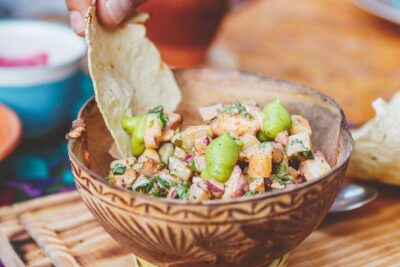
Mexican Cooking Class with Food Market Visit in Mexico City
Read our review →
Bean to Bar Chocolate Workshop in Puerto Vallarta
Read our review →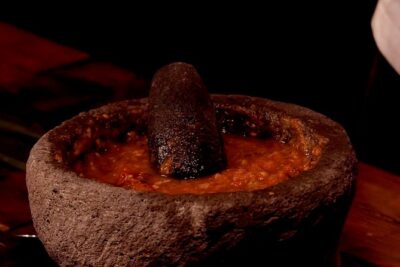
Browse the lists this tour appears in