
Reviewed · HISTORICAL TOURS
The best and most complete PRIVATE CITY TOUR through the Historic Center
Mexico City’s historic center is best understood on foot, where a French-style post office, a Baroque church, an Aztec temple site, and a grand national cathedral all sit within the same compact circuit. This private tour with Jorge Barmoll George gives you that big picture, with history, architecture, politics, and personal city knowledge woven together.
I like the private format and the sheer variety of stops. I also like that Jorge, a former history teacher, explains how people and political events connect to the buildings around you. The main drawback is pace: the tour covers a lot, and some stops are brief or viewed only from outside. Comfortable shoes are essential.
- A wide historic-center route: Walk from the Monument to the Revolution through Alameda Central, Calle Tacuba, Santo Domingo, and the Zócalo.
- A former history teacher as your guide: Jorge brings political and architectural context, not just dates and names.
- Several interiors included: Enter the House of Tiles, Postal Palace, Mining Palace, and Metropolitan Cathedral when conditions allow.
- A useful first look at Mexico City: Treat this as an orientation tour, then return later to explore your favorite buildings properly.
- Water and photo time included: A bottle of water is provided, with pauses at most major sights.
- Private and English-language: Only your party participates, and Jorge can adjust explanations and timing more easily than a large group tour.
In This Review
- A Private Walk Through Mexico City’s Historic Core
- Starting at the Monument to the Revolution
- Alameda Central and the Inquisition’s Darker Chapter
- Palacio de Bellas Artes, Marble and Mixed Styles
- Entering the House of Tiles on Calle Madero
- Palacio Postal and Palacio de Minería
- Calle Tacuba and the Architecture Between Landmarks
- Plaza de Santo Domingo and Its Baroque Church
- The Zócalo and the Government Palace
- The Templo Mayor and the Metropolitan Cathedral
- What the Walking Pace Means for You
- Who Gets the Most Value From This Tour
- Should You Book It?
- FAQ
- How long does the private city tour last?
- Where does the tour begin and end?
- Is transportation included?
- Is the tour offered in English?
- What is included in the price?
- Are admission tickets included?
- Is the tour suitable for people with mobility problems?
A Private Walk Through Mexico City’s Historic Core
At $68.70 per person, this is priced as a private experience rather than a basic group stroll. The value depends on your group size. For one person, it is a fairly expensive three-hour introduction. For a couple or family, the cost buys personal attention, direct questions, and a guide who can connect the city’s buildings to its political past.
The route begins at the Monument to the Revolution and ends at the Metropolitan Cathedral. There is no vehicle transfer between sights, so you walk the historic center from end to end. The tour is offered in English, and Jorge uses WhatsApp for communication, so check your messages before meeting him and make sure you understand the exact starting point.
The advertised duration is about three hours, but the listed stop times add up to longer than that. The timing can vary, and the route is brisk. One useful way to think about it is as a three-hour survey, not a series of full museum visits. You will see the major pieces, hear why they matter, and note where you want to return.
Starting at the Monument to the Revolution
The Monument to the Revolution is an unusual place to begin. It was first planned as the center of a legislative palace, but the project changed and the structure became a mausoleum and public monument instead. That change reflects the political upheaval of Mexico’s early twentieth century, which makes the site a fitting opening chapter.
You receive an explanation and time for photographs, with roughly ten minutes assigned to the stop. Admission is not included, and the tour description focuses on the exterior rather than a full visit inside the monument or museum. If you want to explore the museum at length, plan a separate visit.
The starting point is Plaza de la República, at the Monument to the Revolution in the Tabacalera area. Arrive at the monument’s esplanade, not on a nearby street waiting for a van. This is a walking tour, not a ride in shared transportation.
More City Tours in Mexico City
- Mexico City: Teotihuacan, Tlatelolco & Guadalupe Shrine Tour
★ 4.6 · 3,773 reviews - Teotihuacan Hot Air Balloon Flight from Mexico City / Volare
★ 5.0 · 3,262 reviews - Teotihuacan Private Tour from Mexico City
★ 5.0 · 1,890 reviews
Alameda Central and the Inquisition’s Darker Chapter
From the monument, the route continues to Alameda Central, Mexico City’s historic central park and a long-standing meeting place. It is a pleasant contrast to the monumental architecture that follows. You get a chance to look at the park’s setting, take photos, and hear how public spaces functioned in the city.
The stop also covers El Quemadero de la Inquisición, associated with the uses, customs, methods, and practices of the Inquisition. This is one of the tour’s more sobering subjects. It gives the walk a human and political edge, rather than turning the center into a parade of pretty facades.
Around twenty minutes is assigned here, including explanation and photographs. The stop is free, but the subject matter is serious. Jorge’s delivery can be forceful, especially when explaining complicated events, so this tour suits you if you enjoy a guide who takes historical interpretation seriously.
The itinerary also includes a brief five-minute stop connected to one of Mexico’s most important nineteenth-century presidents, described as a Meritorious of the Americas. The name is not specified in the tour details, so ask Jorge to clarify the figure and his role when you meet. It is a short pause, but it signals the tour’s interest in political history as well as architecture.
Palacio de Bellas Artes, Marble and Mixed Styles
Palacio de Bellas Artes is one of Mexico City’s essential landmarks. Its design brings together Art Nouveau and Art Deco, creating a building that looks different from nearly every other stop on this walk. Inside, it is associated with theater, ballet, symphony, opera, and murals, but this tour explains the building from outside.
Allow roughly fifteen to twenty-five minutes, depending on the pace and the exact schedule. Admission is not included. That is important because you should not expect time for a full interior visit or a close look at the murals during this stop.
I like this approach for a first day in the city. You get the building’s place in Mexican architecture, then can decide if you want to return for a performance or museum visit. If Bellas Artes is high on your personal list, save time later for it instead of trying to squeeze in a full visit during this walk.
Entering the House of Tiles on Calle Madero
The House of Tiles, or Casa de los Azulejos, is one of the most memorable buildings on the route. Its blue-and-white tile-covered facade gives Calle Madero a distinctive colonial-era touch, while the building’s long history links the viceregal period to modern Mexico City.
Here the tour goes inside. Jorge explains the owners and history of the house from the sixteenth century to the present, and you have time for photographs. The stop is also practical: the interior is suggested as a clean place to use the bathrooms.
The scheduled time is about twenty-five minutes, though another timing line lists fifteen minutes. Either way, this is a short architectural visit, not a meal or extended indoor stop. Food is not included, and you should not count on having time to sit down for a full restaurant visit.
More Historical Tours in Mexico City
- Historic Downtown Walking Tour
★ 5.0 · 1,289 reviews - Historic Center Food Tour in Mexico City
★ 5.0 · 1,263 reviews - Mexico City: Historic Downtown Walking Tour
★ 4.8 · 1,039 reviews - Walking Tour of the Historic Center of Mexico City
★ 5.0 · 870 reviews
Palacio Postal and Palacio de Minería
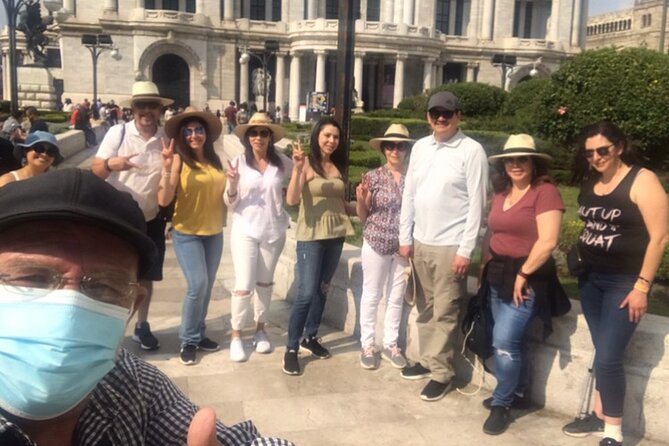
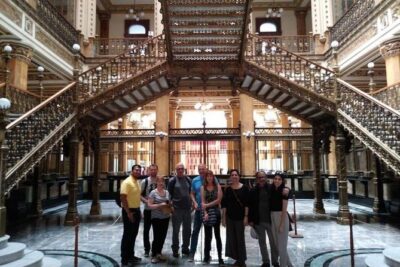
The Postal Palace is a small lesson in how strongly early twentieth-century Mexico looked toward Europe for architectural inspiration. This French-style Neoclassical building is known for marble, brass, and bronze finishes. You go inside for an explanation and photographs, with about ten to fifteen minutes assigned.
It is the kind of place that rewards looking up and around. The details matter here, and a guide helps you notice the materials rather than simply passing through a grand entrance. Admission is free.
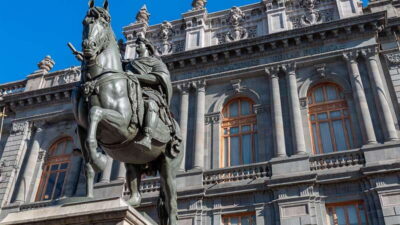
Next comes the Mining Palace, a grand New Spanish Classical building. Inside are four meteorites available for viewing and photographs. Outside, Plaza de Minería features the statue of El Caballito, the Little Horse, created by architect and sculptor Manuel Tolsá.
The stop is brief, about ten minutes, so think of it as a focused introduction. You will not have much time to study every architectural detail. Still, the pairing of the Mining Palace and Postal Palace shows how many different eras and styles are packed into a few blocks.
Calle Tacuba and the Architecture Between Landmarks
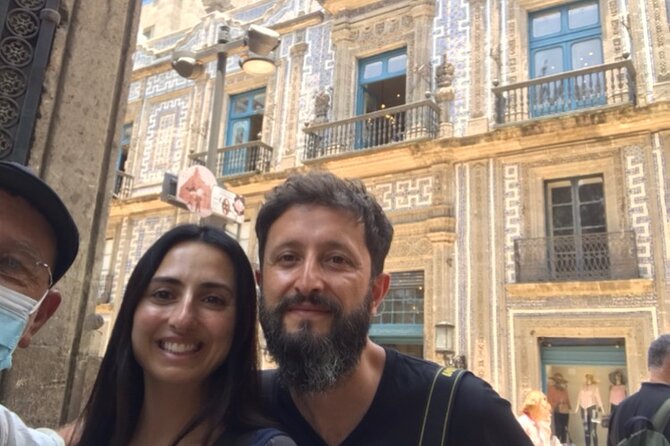
One of the best parts of the tour is not a single building. It is the walk through the historic streets of Tacuba and Brazil. Jorge points out mansions, palaces, and churches dating from the sixteenth through nineteenth centuries, along with the architectural styles that helped earn the historic center its UNESCO cultural heritage status.
This is where a private guide can add real value. You are not simply moving from one famous attraction to another. You are looking at the streetscape between them, seeing how the city’s history appears in doorways, facades, churches, and public squares.
The scheduled time is about twenty-five minutes. Pay attention as you walk, since the route itself is part of the lesson. Traffic and crowds can make it harder to hear, although Jorge has been described as easy to hear over city noise. Stay close and be prepared to pause on busy streets.
Plaza de Santo Domingo and Its Baroque Church
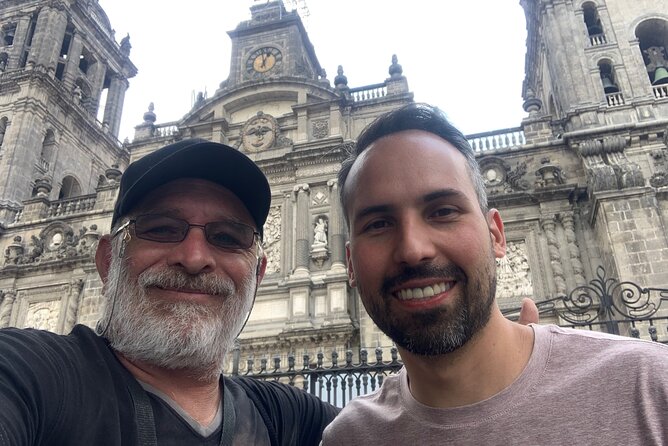
Plaza de Santo Domingo offers another change of mood. The square is framed by the Baroque Church of Santo Domingo, and Jorge explains the plaza and church before giving you time for photographs.
About twenty-five minutes is allocated here, with fifteen minutes specified for the stop in one part of the schedule. The visit is primarily an exterior explanation, so do not expect a detailed church tour. You may have some free time, but the main purpose is to understand the square’s place in the historic center.
I find stops like this useful because they slow the route down. After several major buildings, a public square gives you a chance to notice how the historic center is organized. The church also adds a clear Baroque example to the architectural range already covered.
The Zócalo and the Government Palace
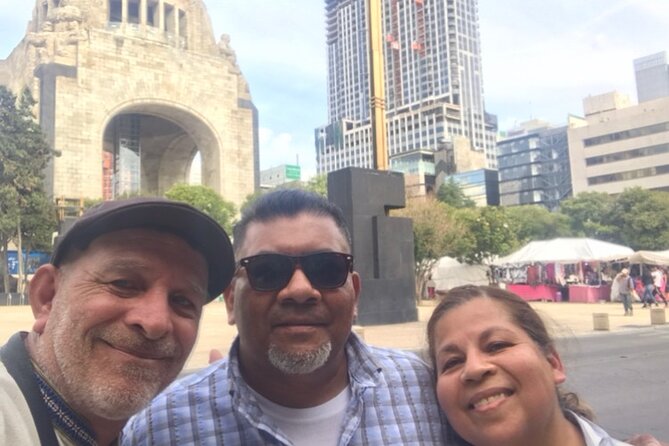
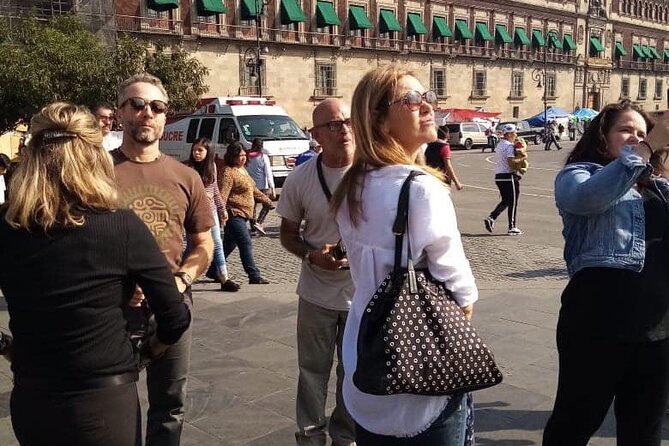
The Plaza de la Constitución, better known as the Zócalo, is the political heart of the route. Jorge gives an overview of the huge square and the Government Palace, tying the buildings to Mexico’s national story.
The scheduled visit lasts around twenty minutes. You will have time for explanation and photographs, but this is not a dedicated Government Palace interior tour. If you want to see its murals or spend more time inside, ask about returning separately.
The Zócalo is also a place where conditions can change. Barricades or demonstrations may affect access, and one past tour had to adjust because of protest-related closures. A private format helps here because Jorge can explain the surrounding area and modify the route rather than abandoning the walk.
The Templo Mayor and the Metropolitan Cathedral
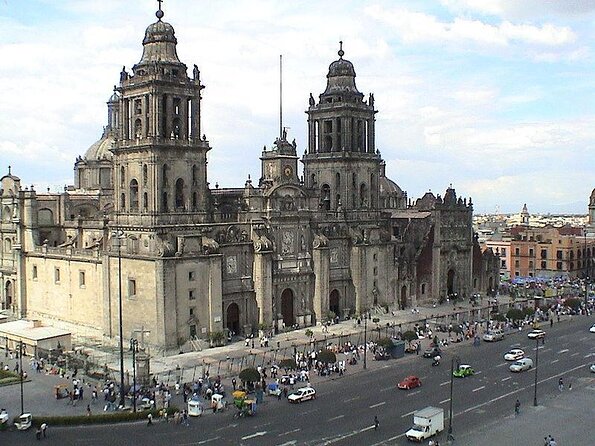
The final section brings together two of Mexico City’s most important layers. From the historic center, you receive a panoramic explanation of the archaeological zone of the Aztec Templo Mayor. The tour does not include an extended archaeological-site visit, so plan another stop if you want the museum and excavation area in detail.
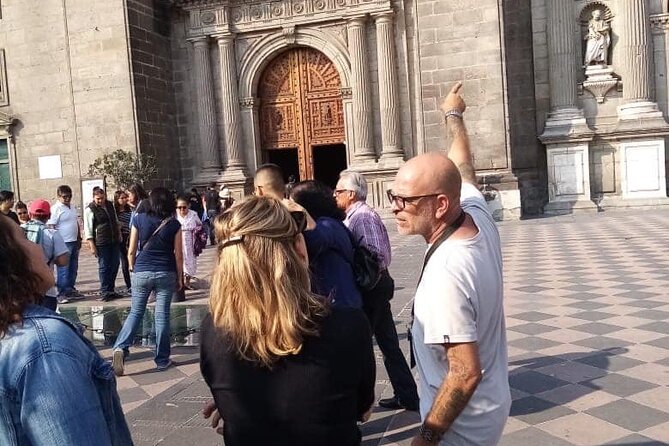
Then you reach the Metropolitan Cathedral. Jorge explains its exterior, history, and anecdotes, followed by free time for you to enjoy the interior. Admission is listed as free, and this is the last stop.
The cathedral visit is a smart ending. You can continue looking inside after the formal tour finishes, attend Mass, or take a quiet break without needing to keep pace with the group. The scheduled indoor time is about twenty minutes, and the tour description allows you to stay longer if you wish.
This final arrangement also explains why the experience may feel shorter than expected if you leave as soon as the guide’s explanation ends. The cathedral is the endpoint, and your personal time inside is part of the planned experience rather than a separate guided segment.
What the Walking Pace Means for You
The route covers a lot of ground in a short time. You should expect repeated standing, city walking, street crossings, and time on your feet at historic buildings. The activity calls for moderate physical fitness and is not recommended for people with mobility problems.
Wear comfortable walking shoes and clothes suited to the weather. A hat and sunscreen are sensible, and the guide provides a bottle of water. The tour requires good weather, so poor conditions can lead to a new date or a full refund.
The schedule is also information-heavy. Jorge is a former history teacher and brings strong knowledge of Mexico City’s politics, buildings, and major figures. His passion is a major strength, but his delivery can sometimes feel firm or authoritative. If you prefer a light, casual commentary style, this may not be your ideal match. If you like a guide who takes the subject seriously and answers questions at length, it is a better fit.
Who Gets the Most Value From This Tour
I would choose this walk if you have only a couple of days in Mexico City and want a quick sense of how the historic center fits together. It is also a good first-day activity because it helps you decide which buildings deserve a longer return visit.
History fans will get the most from Jorge’s links between presidents, political events, architecture, and public spaces. Couples and families may also appreciate the private setup, especially when you want a few minutes to take photos or look inside a church at your own pace.
This is less suitable if you want deep museum time, lengthy interior visits, or a relaxed café break. The route is designed to show many highlights, not to study one or two sites in detail. You also pay separately for food, tips, and any admission not included.
Before the start, confirm the meeting point and time through the platform or WhatsApp. The meeting place is the Monument to the Revolution, and the endpoint is the Metropolitan Cathedral. Punctuality matters, and the stated cancellation policy allows a full refund only when you cancel at least twenty-four hours before the start time.
Should You Book It?
Book this private walk if you want a fast, serious introduction to Mexico City’s historic center and value a guide who can explain more than the standard facts. Jorge’s background as an educator, personal connection to the city, and enthusiasm for Mexican history give the route a clear point of view.
Skip it if you need easy access, little walking, or long visits inside each attraction. For most first-time visitors with good mobility, the $68.70 price makes sense when shared across a small private group. Come ready to walk, listen, take notes about places to revisit, and let the Metropolitan Cathedral provide a quiet finish.
FAQ
How long does the private city tour last?
The experience is advertised as approximately three hours. The individual stop times suggest a longer possible schedule, so the exact pace can vary.
Where does the tour begin and end?
It begins at the Monument to the Revolution, Plaza de la República, and ends at the Mexico City Metropolitan Cathedral in the Zócalo area.
Is transportation included?
No. This is a walking tour between the meeting point and the cathedral. You should meet Jorge at the Monument to the Revolution rather than wait for a vehicle.
Is the tour offered in English?
Yes. The experience is offered in English.
What is included in the price?
A bottle of water is included. Food and gratuities are not included.
Are admission tickets included?
Some stops are free, including Alameda Central, the House of Tiles, the Postal Palace, the Mining Palace, Calle Tacuba, Plaza de Santo Domingo, the Zócalo, the Templo Mayor overview, and the Metropolitan Cathedral. Admission is not included for the Monument to the Revolution or Palacio de Bellas Artes.
Is the tour suitable for people with mobility problems?
No. The activity calls for moderate physical fitness and is not recommended for people with mobility problems. Comfortable shoes are advised.
Recently reviewed around Mexico City
- Town walking tour of the city★ 5.0 · 72 reviews
- Cholula experience (private tour)★ 5.0 · 52 reviews
- Cholula tour from Puebla★ 5.0 · 66 reviews
- Private Hiking Tour in Iztaccihuatl★ 5.0 · 45 reviews
- City walking tour in Puebla (private tour)★ 5.0 · 40 reviews
- Cholula Magical Twon on a Traditional Tram from Puebla★ 4.5 · 61 reviews
- Hiking Excursion to the Iztaccíhuatl Volcano from Puebla★ 5.0 · 74 reviews
- Museum of Anthropology: a look at Mexico’s past★ 5.0 · 52 reviews
Historical Tours, compared.


Mexico City Historical Centre Food Tour with 7 Authentic Tastings
Read our review →
Historical and Cultural Walking Tour of San Miguel de Allende
Read our review →
Historical and Cultural Walking Tour of San José del Cabo
Read our review →
Walking Tour in Mexico City for Exploring their Cultural Heritage
Read our review →Browse the lists this tour appears in