
Reviewed · FOOD & DRINK
Valladolid Mayan Bees Tour with Lunch or breakfast and Honey Tasting
Mayan bees are the star here, and they are not the large, familiar honeybees many people picture. At Xkopek Beekeeping Park, you walk down into a dry cenote to see native stingless bees in wild nests, then follow a jungle path to working hives and learn why bees matter in Mayan culture.
I like the natural setting and the hands-on format. You do not just hear about bees in a room. You see nest structures, local plants, and an active meliponario, then taste several hive products. The included breakfast or lunch also makes this a useful stop when you want a meal along with a short cultural activity.
The main drawback is the walking surface and heat. You descend stairs, walk outdoors, and pass through mosquito-heavy vegetation, so this is not a polished indoor attraction. If you book an English tour, confirm that the guide will keep the languages balanced if your group includes both English and Spanish speakers.
In This Review
- Key points to know before you go
- Why this small Valladolid tour is worth your time
- Starting at Xkopek Parque Apícola
- Descending into the dry cenote
- Following the jungle path to the meliponario
- Opening a hive and seeing bee architecture
- The honey tasting and small shop
- Choosing between breakfast and lunch
- How active and family-friendly is it?
- Timing, value, and practical planning
- Should you book the Mayan Bees Tour?
- FAQ
- Where does the Mayan Bees Tour begin and end?
- How long does the experience last?
- Is breakfast or lunch included?
- What kind of bees will I see?
- Do I need to be physically fit?
- What should I wear and bring?
- What is the cancellation policy?
Key points to know before you go
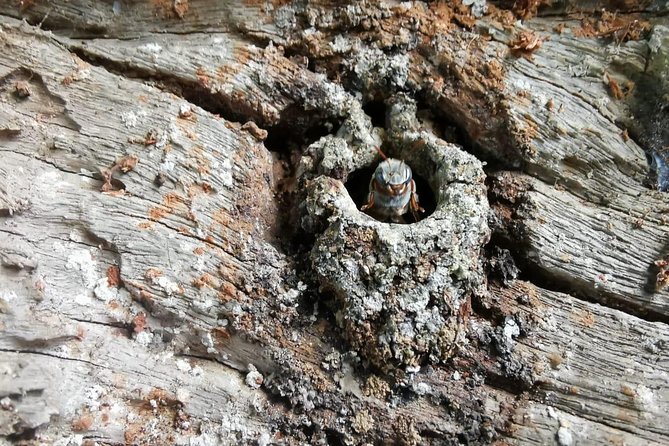
- The dry cenote comes first: Descend by stairs into a natural underground space where native bees live in the wild.
- Mayan stingless bees are the focus: You learn about local species, their nests, plant sources, and their place in Mayan life.
- Honey tasting is more varied than a spoonful of honey: The tasting can include different honeys, pollen, propolis, and other hive products.
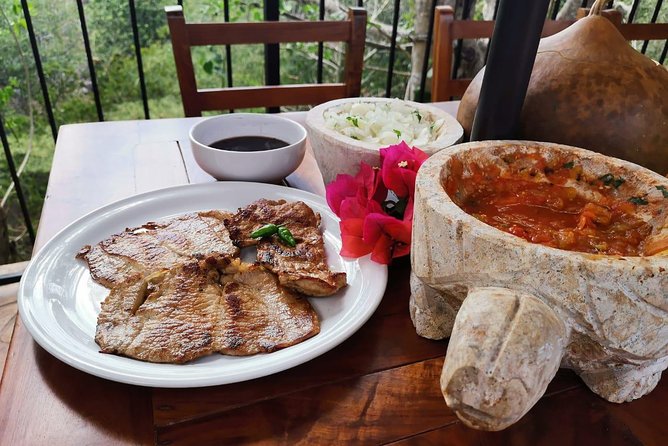
- A meal is included: Choose breakfast or lunch, with options such as quesadillas, eggs, empanadas, or poc chuc.
- The group is capped at 10 people: That is a good size for seeing the hives and asking questions.
- Bring mosquito protection: Organic repellent is requested, and long sleeves and long trousers are sensible in this jungle setting.
Why this small Valladolid tour is worth your time
Valladolid is best known for its colonial center, nearby cenotes, and easy access to Chichén Itzá. This visit gives you a different view of the Yucatán. Instead of focusing on carved stone or swimming holes, it explains a living tradition tied to forests, flowers, food, medicine, and community life.
The experience centers on melipona bees, native stingless bees that have long been important to Maya communities. Their honey is not simply a sweetener. The visit explains how people care for the colonies, collect honey, and use other products from the hive.
That connection to the natural world is the strongest reason to book. You leave with a better sense of how local plants support bees and how bee keeping can help protect native species. The subject also works well for families. Children can see real nests, taste the products, and ask direct questions instead of sitting through a long historical talk.
The tour has earned a 4.9 rating from 193 reviews, with 98 percent recommending it. Those numbers suggest that the basic formula works well: a short walk, a clear local subject, a tasting, and a meal. Still, the setting is simple and natural, not a major theme park. You should book it for the learning and access to the bees, not for elaborate displays.
More Mexico trips worth a second look
- Chichen Itza, Cenote & Valladolid Tour with Tequila and Lunch
★ 4.5 · 15,789 reviews - Teotihuacan, Guadalupe Shrine & Tlatelolco Day Tour with Lunch
★ 5.0 · 11,603 reviews - Xochimilco, Coyoacan and Frida Kahlo with Optional Lunch
★ 4.5 · 7,320 reviews
Starting at Xkopek Parque Apícola
The meeting point is Xkopek Parque Apícola on Calle 57, between Calles 36 and 38, in Valladolid. The location is designed to be easy to reach, with free parking and public transportation nearby. The tour begins and ends at the same place, which keeps the logistics simple.
A team of four guides, Jorge, Dianela, Gerardo, and Julia, leads the experience. Your guide may use a tablet with pictures and videos to explain the bees and their nests. That is useful in the darker cenote, where a quick visual can make the explanation easier to follow.
The group limit is 10 people. I consider that a good fit for this activity. A much larger group would make it harder to gather around a hive or hear the guide in the cenote. A small group also gives you a better chance to ask about bee behavior, honey, or the Mayan uses of hive products.
Plan on about 90 minutes for the visit, though some groups have finished closer to an hour before eating. The tour is short enough to add before another Valladolid activity, but it still has enough parts to feel like a real outing.
Descending into the dry cenote
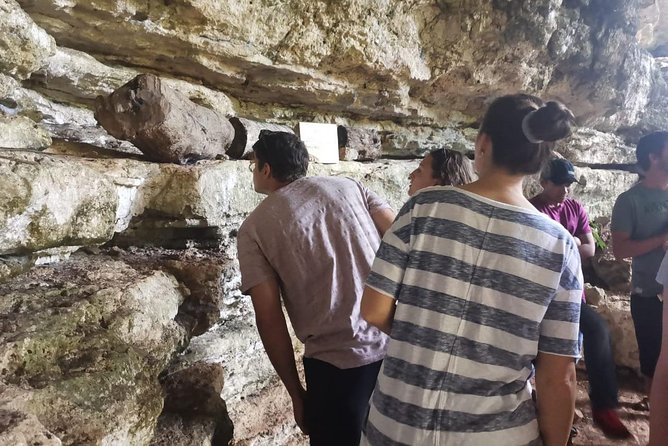
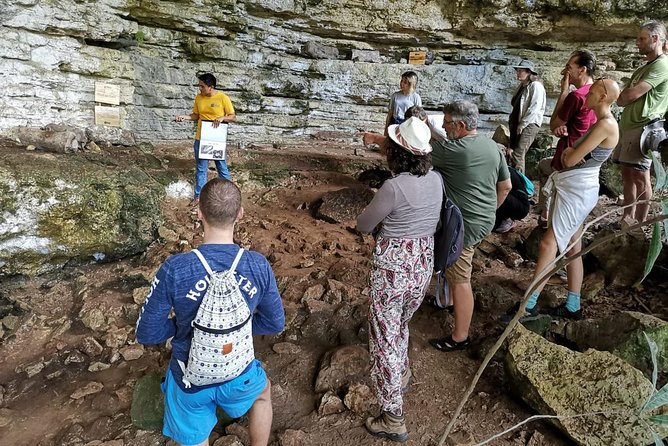
The first walk leads to a stairway down into a dry cenote. Unlike the water-filled cenotes often visited in the Yucatán, this one is an underground space without a swimming stop. The descent is part of the appeal, but it also means you need steady footing and closed shoes.
Inside, you see local plants and learn how people use them and why they matter. The cenote provides a natural setting for several local bee varieties, whose nests can be seen in the rock and surrounding spaces.
The native bees are small and stingless. They do not have stingers, which makes this section less intimidating for people who are uneasy around bees. Still, the area can also have invasive European honeybees. One detailed account warns that these bees may be present in the Yucatán and can sting, so do not treat every bee you see as harmless.
The guide explains the difference between the bees and their nest structures. This is where the activity gains real value. You are not only looking at insects. You are learning to notice how each type builds, lives, and fits into the local ecosystem.
The cenote is also cooler and darker than the open path, but it is not a fully developed cave attraction. Expect stairs, rock, and a natural environment. Comfortable closed shoes are essential. If you have limited mobility, the stair descent and jungle walk may be challenging, since a moderate level of fitness is advised.
Following the jungle path to the meliponario
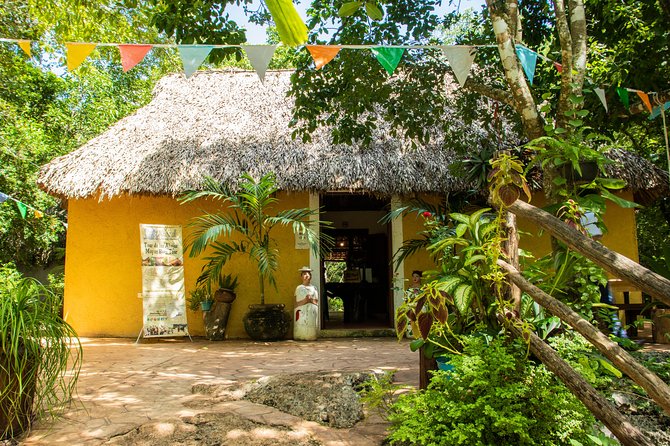
After the cenote, you walk along a jungle path to the meliponario, the area where the bees are kept and studied. The route is not long, but it is outdoors, and the Yucatán heat can build quickly. The park is green and wooded, with the sort of plant life that makes sense for a bee habitat.
Your guide points out plants used in honey production. This helps connect the tasting later to the wider setting. Honey flavor depends on the flowers available to the bees, so the plants are not background decoration. They are part of the food chain that makes the honey possible.
Mosquitoes are the chief nuisance here. Use organic mosquito repellent as requested by the operator, and consider long sleeves and long trousers. You should also wear comfortable shoes with closed toes. Sandals are a poor choice for the cenote stairs, uneven path, mosquitoes, and possible contact with insects.
The park is close to central Valladolid, yet the route feels removed from town. That makes the activity a handy compromise. You do not need to spend half a day traveling to a remote farm, but you still get a natural setting rather than a standard restaurant presentation.
More Mexico food and drink outings:
- Cabo Beach Camel Ride, Mexican Buffet and Tequila Tasting
★ 5.0 · 8,815 reviews - Early morning Chichen Itza Tour: Cenote and Tequila Tasting
★ 5.0 · 6,657 reviews - 4×4 ATV Adventure with Tequila Tasting and Mexican Buffet Lunch
★ 5.0 · 5,177 reviews - Cancun ATV Jungle Adventure, Ziplines, Cenote and Tequila Tasting
★ 4.5 · 4,873 reviews
Opening a hive and seeing bee architecture
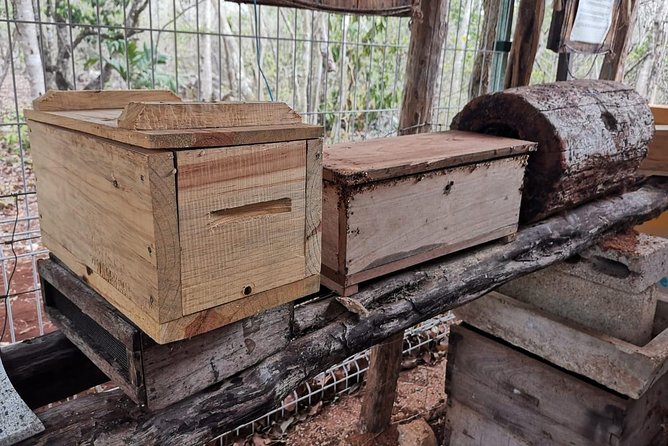
At the meliponario, the guide explains how honey is produced and what else comes from the hive. You may see a hive opened so you can inspect the internal structure. This is the most hands-on part of the tour and one of the best reasons to choose it over a general honey tasting.
The nests are especially interesting for anyone who keeps bees or has a serious interest in insects. A beekeeper can compare these native colonies with European honeybees, while a first-time visitor can see that bee keeping is not one single method copied around the world.
The guide also discusses the health uses associated with honey, pollen, propolis, and other hive products. Keep in mind that this is an introduction to traditional uses and local products, not a medical consultation. If you have allergies, take the operator’s warning seriously: you should not book if you are allergic to bees.
The English explanations are generally intended to be accessible, and guides have used visual material to help. If your group is bilingual, ask at the start how the guide will divide the talk. One family found that long stretches in one language left the English-only members waiting. That is a fair point, since a talk about detailed bee structures is easy to lose if you miss several minutes.
The honey tasting and small shop
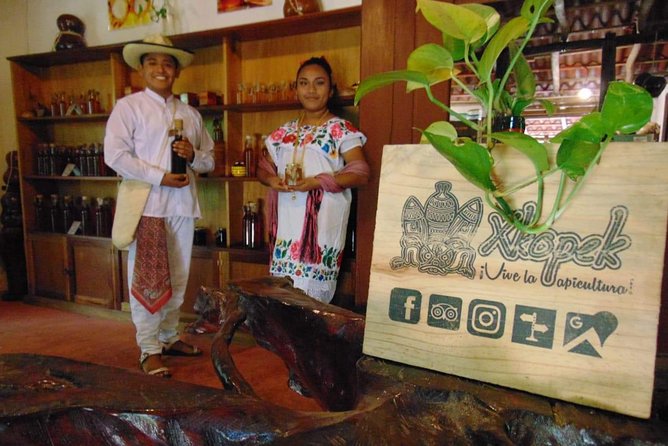
The tasting follows the hive visit. You sample different honeys and other hive products. Depending on the session, this can include pollen, propolis, creams, sweets, or additional bee products. Some people have sampled as many as nine items.
This is not a formal wine-style tasting with long flavor notes. It is a friendly way to compare products and understand how the bees support more than one kind of local business. You can ask what each item is used for and decide what you actually like before buying anything.
The shop sells honey and souvenirs. Products can include skin creams and other items made with hive ingredients. A moisturizing cream has been a popular purchase, but the important practical point is that you are not pressured to buy. The shop gives you a chance to support the park and take home something tied to the experience.
A souvenir photo is taken at the end. It is a small touch, but it gives families and couples a simple record of the visit.
Choosing between breakfast and lunch
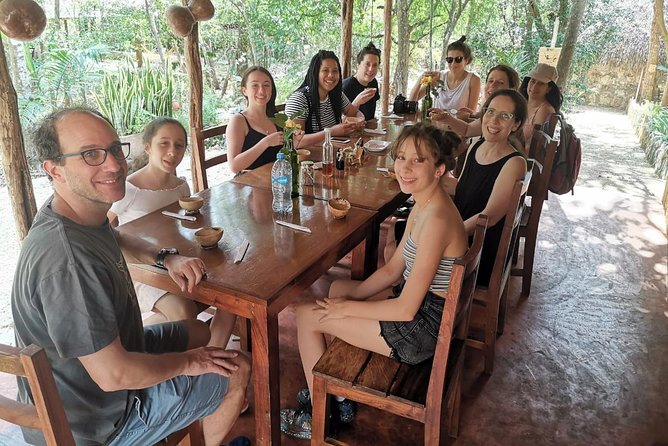
Food is included, so the total value depends partly on what you would otherwise spend on a meal. The breakfast choices include quesadillas, scrambled eggs, or an omelet with up to two ingredients. Fruit water of the day is included.
Lunch choices are traditional poc chuc with pork or chicken, or empanadas. Poc chuc is a Yucatecan dish, so it makes the lunch option more regionally useful than a generic sandwich. The on-site restaurant has also been praised for clean restrooms and a pleasant setting.
Food quality can vary by expectation. Several meals have been described as delicious, while one careful assessment called the food decent rather than exceptional. I would treat the meal as a worthwhile part of the package, not the main reason to come. You are paying for a cultural activity, tasting, and meal together, so the value is good when you want all three.
An early start can make sense. One morning group found the temperature more comfortable at 8:30 a.m., followed by breakfast. If you prefer lunch, you may have a warmer walk, but the meal gives the visit a natural finish.
How active and family-friendly is it?
This is an easy activity in terms of time, but not entirely effortless physically. You walk outdoors, descend stairs into the dry cenote, and follow a jungle path. The operator recommends moderate fitness, comfortable shoes, and closed footwear.
Families can do well here, especially with children who like animals and hands-on learning. A six-year-old found the subject memorable enough to keep talking about bees afterward. The stingless native bees also make the encounter feel less alarming, though adults should still supervise children around all insects and take the European bee warning seriously.
The tour also suits solo visitors and couples who want something beyond ruins and swimming. It is particularly useful for anyone with an interest in ecology, traditional food, natural medicine, or Mayan culture.
I would skip it if you want a large attraction with polished exhibits, air conditioning, or a physically effortless route. You should also reconsider if mosquitoes bother you greatly, if you have a bee allergy, or if you need step-free access.
Timing, value, and practical planning
The meeting point is in Valladolid and the tour returns there, so you do not need to arrange a separate drop-off. It can fit into a day in town or work as a stop when traveling between Valladolid, Chichén Itzá, and Tulum, provided your schedule allows about 90 minutes plus the meal.
The mobile ticket and clear meeting point reduce the usual stress of a small local tour. Confirmation is provided at booking. The group maximum of 10 is another positive, since the guide can keep the hive viewing more personal.
No price is provided here, so I cannot judge the exact cost. The useful way to assess the deal is to count what is bundled: a guided nature walk, a dry cenote visit, information about Mayan bee keeping, close hive viewing, a honey tasting, breakfast or lunch, fruit water, and a return to the starting point. If you already planned to pay for a meal, the package becomes more appealing.
Cancellations are free up to 24 hours before the start time for a full refund. Changes or cancellations within 24 hours are not refunded. The activity also depends on good weather, with a different date or full refund offered if the operator cancels because of poor conditions.
Should you book the Mayan Bees Tour?
I would book this if you want a short, local experience with a clear subject and a useful meal included. The dry cenote, native stingless bees, and hive tasting give it more substance than a basic farm visit, while the small group keeps the demonstrations manageable.
It is a particularly good choice for families, nature lovers, beekeepers, and anyone who wants to understand a side of Mayan culture that is still practiced today. Arrive with closed shoes, organic mosquito repellent, and realistic expectations about a simple outdoor setting.
Skip it if your schedule is packed with major archaeological sites and cenotes, or if stairs, heat, insects, and uneven paths would spoil the day. For most visitors who have a free morning or afternoon in Valladolid, though, this is a smart way to spend 90 minutes and eat well afterward.
FAQ
Where does the Mayan Bees Tour begin and end?
The tour begins at Xkopek Parque Apícola on Calle 57 between Calle 36 and Calle 38 in Valladolid. It ends back at the same meeting point.
How long does the experience last?
The activity lasts approximately 1 hour and 30 minutes, including the guided visit and tasting. Some visits may take about an hour before the included meal.
Is breakfast or lunch included?
Yes. Breakfast options include quesadillas, scrambled eggs, or an omelet with up to two ingredients. Lunch options include traditional poc chuc with pork or chicken, or empanadas. Fruit water of the day is included.
What kind of bees will I see?
You will learn about local Mayan bee varieties, including native stingless bees found in the dry cenote and kept in the meliponario. The area may also contain invasive European honeybees, which can sting.
Do I need to be physically fit?
A moderate level of fitness is recommended. The tour includes walking, a stairway descent into a dry cenote, and a path through a jungle area.
What should I wear and bring?
Wear comfortable closed shoes for walking. Organic mosquito repellent is recommended, and long sleeves and long trousers can help in the mosquito-heavy outdoor areas.
What is the cancellation policy?
You can cancel at least 24 hours before the start time for a full refund. Cancellations or changes made less than 24 hours before the start time are not refunded. If poor weather causes the operator to cancel, you will be offered another date or a full refund.
Recently reviewed around Mexico
- Chichén Itzá, Cenote Suytún, and Cenote Ikkil Guided Tour★ 4.0 · 100 reviews
- Chichen Itza Exclusive Tour, Cenote, Magical Town & Buffet★ 4.5 · 69 reviews
- Chichen Itza Classic + Cenote + Valladolid from Playa del Carmen★ 4.0 · 102 reviews
- Chichén Itzá Premier Tour with Cenote Xunáan, Valladolid & Lunch★ 4.5 · 141 reviews
- Chichen Itza, Suytun and Ik-Kil Cenote★ 4.0 · 157 reviews
- Tour from Cancun to Chichen Itza with cenote food and Valladolid★ 4.0 · 45 reviews
- Small Group 3 Waterfall Cenotes Experience★ 4.5 · 42 reviews
- Admission Ticket to Cenotes Zapote EcoPark★ 5.0 · 300 reviews
Food & Drink, compared.
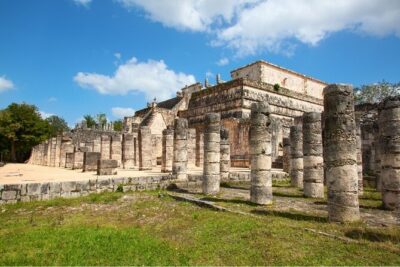
Early morning Chichen Itza Tour: Cenote and Tequila Tasting
Read our review →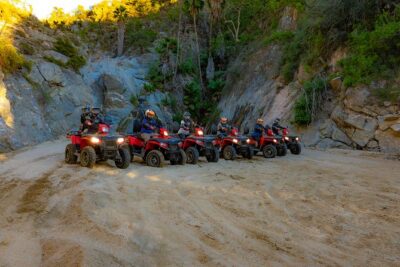
4×4 ATV Adventure with Tequila Tasting and Mexican Buffet Lunch
Read our review →
Winner 2025 Downtown Vallarta Food Tour with Vallarta Food Tours
Read our review →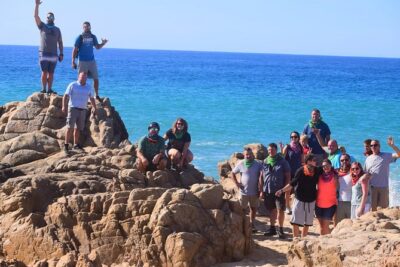
Cabo Migrino Beach and Desert ATV Tour plus Tequila Tasting
Read our review →
Food & Mixology Tour:Tequila,Tacos, Mezcal and Agave Cocktails
Read our review →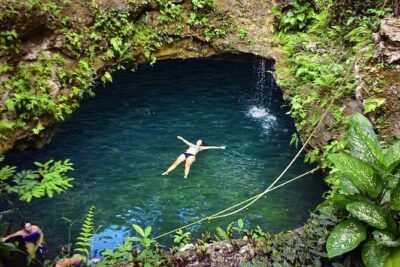
Small-Group 3 Hidden Cenotes Adventure with Tequila Tasting
Read our review →
Tour to Chichen Itza-Tickets, food and cenote
Read our review →
Cabo San Lucas Downtown Food and Tacos Tasting Experience
Read our review →Browse the lists this tour appears in