
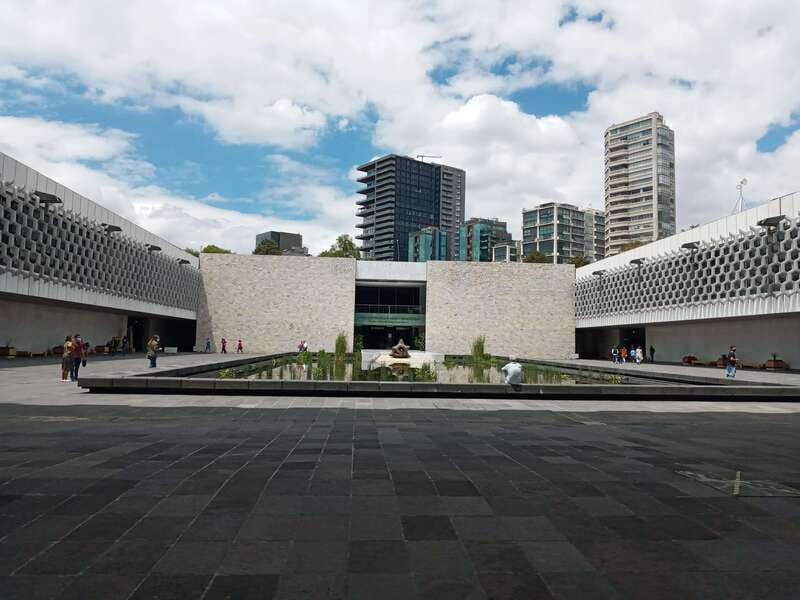
Reviewed · MUSEUMS
Guided Tour of the Museum of Anthropology
The most rewarding part of this tour is seeing famous objects as pieces of a larger story, not as isolated displays. A guide such as Edith or Hector can explain the symbols, beliefs, and political ideas behind the Sun Stone, Coatlicue, Olmec Heads, and Mask of Pakal. I like the small group, limited to eight people, and I like that the English tour helps you read a museum where much of the signage is not translated. The guide’s strong command of Mexican history is a real advantage.
The main drawback is time. Three hours sounds generous, but this is a large museum, and a detailed explanation of the major rooms means you will see only part of the collection. Plan to return on your own if you want a broader look, and wear comfortable shoes for the long indoor and garden route.
In This Review
- Key points at a glance
- Meeting Beside the Mexican Flag
- Starting With the Museum’s Purpose
- Teotihuacan and the Ideas Behind the Objects
- Mexica Highlights: The Sun Stone and Coatlicue
- Maya Rooms and the Mask of Pakal
- Toltec and Gulf of Mexico Collections
- Why the Gardens Matter
- Guides Edith and Hector Set the Tone
- What Three Hours Really Covers
- Is the $38 Price Good Value?
- Who Should Book This Museum Tour?
- Booking Flexibility and Practical Details
- Should You Book It?
- FAQ
- How long is the Museum of Anthropology guided tour?
- What language is the tour conducted in?
- Which cultures are included?
- Which famous artifacts will I see?
- Where does the tour meet?
- What is included in the $38 price?
Key points at a glance
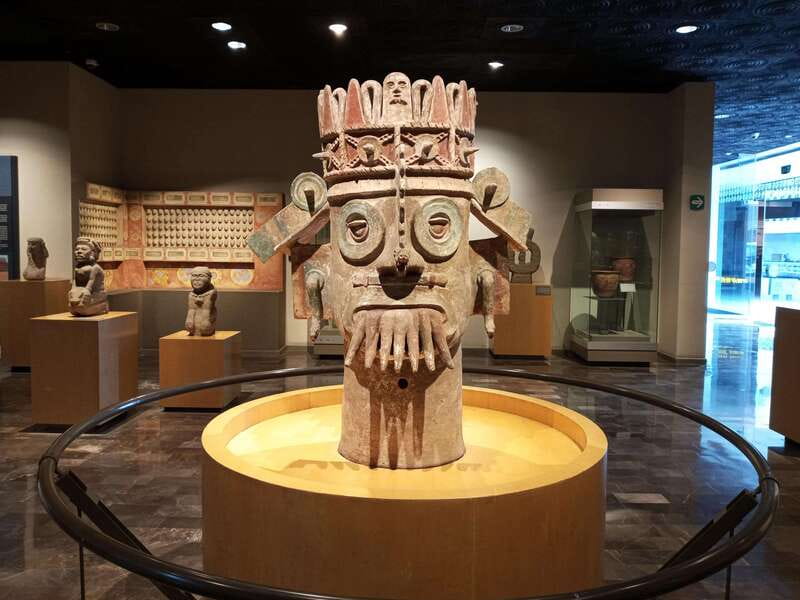
- The Sun Stone gets proper context: You learn what its symbols mean instead of treating it as a famous stone calendar.
- Small groups make questions easy: With no more than eight participants, it is simpler to hear the guide and ask about objects that catch your eye.
- Edith and Hector lead the tour: Both are praised for clear explanations, warmth, humor, and strong command of Mexican history.
- The route covers several major cultures: Expect Teotihuacan, Mexica, Maya, Toltec, and Gulf of Mexico collections.
- The museum gardens are part of the visit: The outdoor spaces help connect the exhibition halls and add a welcome change of pace.
- Allow extra time afterward: The guided route focuses on depth, so you may want another couple of hours to explore alone.
Mexico City’s National Museum of Anthropology is not the sort of place you can properly understand by wandering through a few rooms and taking pictures of famous objects. The collection is too large, and the cultures represented are too varied.
That is where this guided visit earns its keep. For three hours, you move through the museum with an English-speaking federal tour guide who explains how the building was created, why the museum exists, and how the objects connect to the peoples who inhabited and still inhabit Mexico.
I see this as an orientation tour rather than a complete museum visit. You will get a strong introduction to the main rooms and the best-known pieces, then you can decide which sections deserve a second look.
Meeting Beside the Mexican Flag
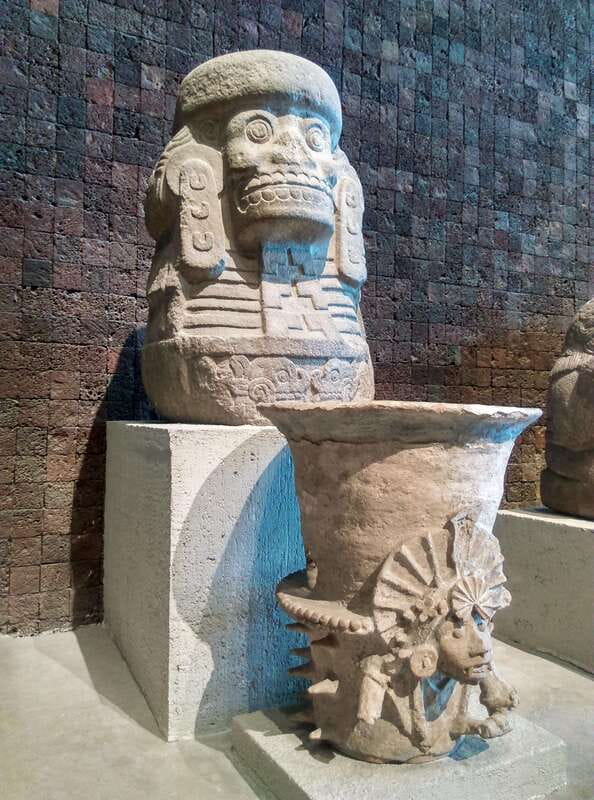
The meeting point is at the entrance to the Museum of Anthropology, next to the Mexican flag. That is pleasingly simple, especially in a city where large attractions can have several gates or confusing meeting areas.
You should arrive ready to walk. The tour lasts three hours, and the route includes exhibition halls and the surrounding gardens. The museum is large enough that comfortable shoes matter more than stylish ones here.
The tour is offered in English, normally in the morning or afternoon. A small group of up to eight people gives the guide room to adjust the pace and answer questions. That matters in a museum filled with dense names, unfamiliar symbols, and objects that can look similar if you do not know what to notice.
More Museum Tours in Mexico City
- CDMX: Xochimilco, Coyoacan, Frida Kahlo Museum & Murals Tour
★ 4.4 · 3,025 reviews - Chapultepec Castle & Anthropology Museum Tour
★ 4.5 · 1,348 reviews - Frida Kahlo VIP [Museum Tickets Included] Bike, Markets & Churros
★ 5.0 · 1,072 reviews
Starting With the Museum’s Purpose
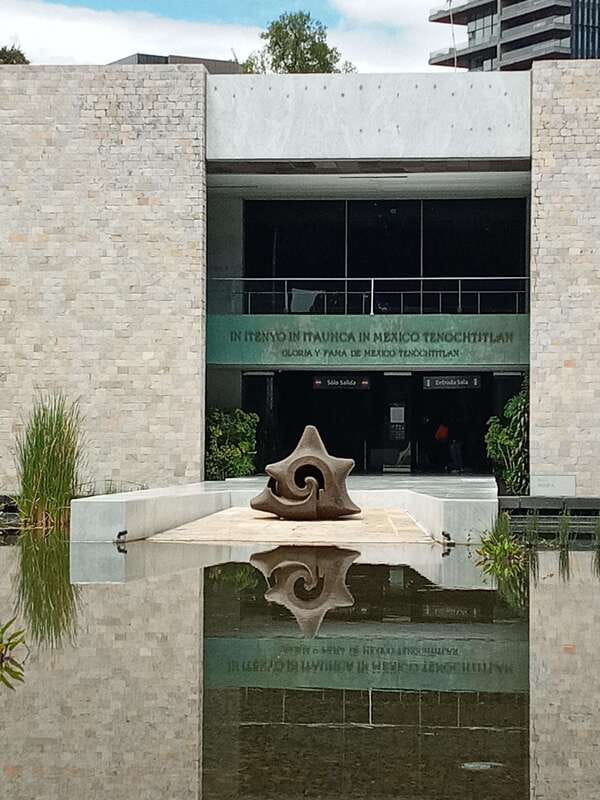
The first part of the visit discusses the construction of the museum and its purpose. This is an important beginning because the building is not just a container for old objects. The way its halls and displays are arranged shapes how you understand Mexico’s past.
A good guide gives you a framework before the famous pieces appear. You begin to see that the museum is presenting many distinct cultures, not one single, simple story called ancient Mexico.
This approach also helps you understand the link between past and present. The tour is not limited to vanished civilizations. It looks at the cultures that inhabited Mexico and the communities that continue to inhabit it, giving the visit a broader human focus.
I especially like this opening because it keeps the museum from becoming a parade of impressive objects. You get a sense of why they are being shown together and what the museum wants you to consider.
Teotihuacan and the Ideas Behind the Objects
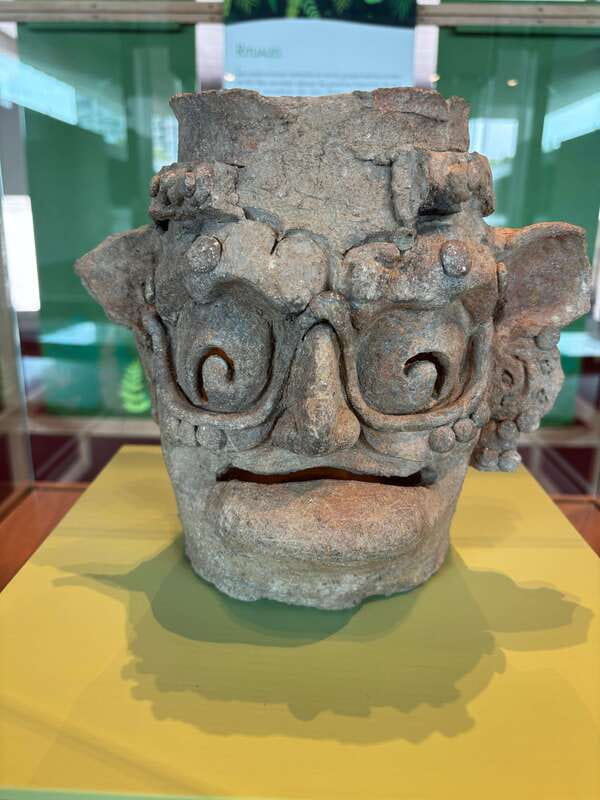
The Teotihuacan rooms are among the key parts of the route. The tour includes the culture’s major material and artistic legacy, with the guide explaining the meaning and use of the objects on display.
I would not expect to see every item or spend equal time in every case. The three-hour format calls for choices. The benefit is that the guide can spend more time explaining important examples rather than rushing you through every aisle.
This is where questions become useful. If you are wondering how a symbol relates to religion, power, ceremony, or daily life, ask. The guides are described as especially good at answering questions without losing control of the route.
The museum can be intimidating if you do not already know the difference between the cultures in its rooms. An expert explanation gives you simple reference points, helping you recognize how the displays differ as you continue.
Mexica Highlights: The Sun Stone and Coatlicue
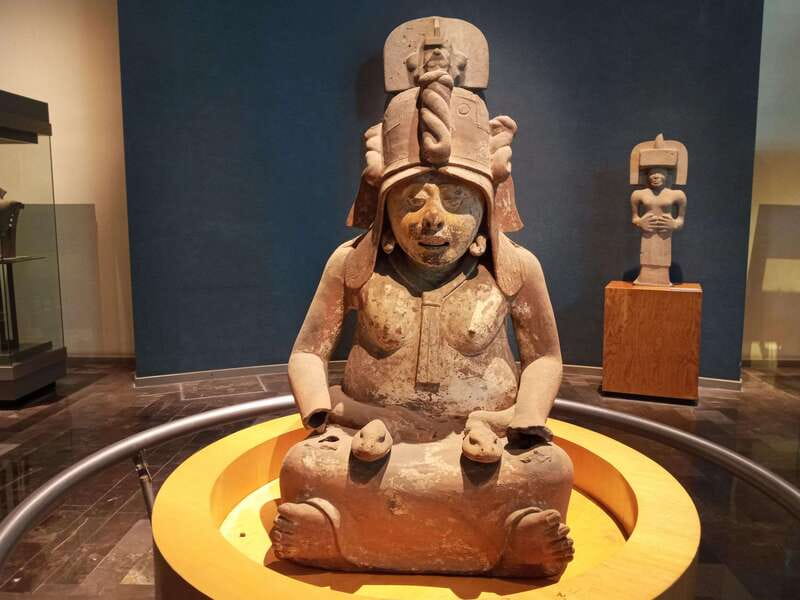
The Mexica rooms contain the objects most people associate with this museum. The Sun Stone is the obvious star, but the tour also gives attention to Coatlicue, one of the most powerful and visually striking works in the collection.
The value of a guide here is interpretation. You are not simply told the name of the object and the date. You hear about its symbolism and the ideas represented in its carved forms. That turns a famous piece into something you can study rather than just photograph.
Coatlicue can be especially difficult to read without help. Its imagery is dense, and its meaning is not immediately clear to a first-time visitor. A guide can point out details that you might otherwise miss and explain how the image fits into Mexica belief and artistic expression.
The Sun Stone also benefits from patience. It is easy to reduce it to a calendar, but the tour presents it within the wider world of Mexica thought. That broader explanation is one of the strongest reasons to book a guided visit instead of relying only on a quick glance and a museum label.
More Mexico City trips worth a second look
- Anthropology Museum Guided Tour
★ 4.5 · 1,035 reviews - Frida Kahlo VIP [Museum Tickets Included] Walk, Markets & Churros
★ 5.0 · 982 reviews - EXCLUSIVE TOUR Frida Kahlo Museum – SMALL GROUPS
★ 5.0 · 901 reviews - Mexico City: Anthropology Museum Guided Visit
★ 4.4 · 708 reviews
Maya Rooms and the Mask of Pakal
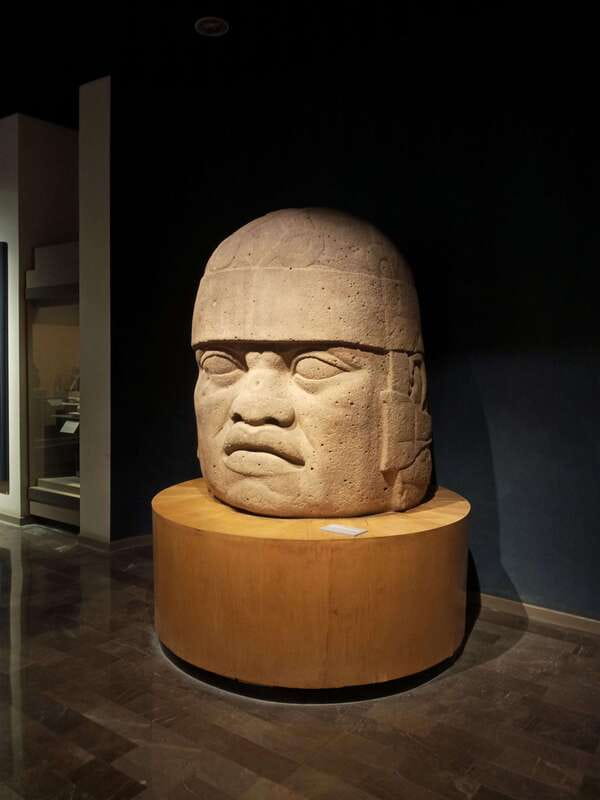
The Maya section provides another major focus, including the Mask of Pakal. This is one of the objects specifically highlighted during the tour, and it gives the guide a chance to discuss the symbols, craftsmanship, and historical setting connected with Maya culture.
I like that the route does not treat Maya and Mexica objects as interchangeable examples of an ancient past. Moving between cultural areas helps you notice differences in style, belief, and historical development.
The guides, particularly Edith and Hector, are praised for explaining the meaning behind the artifacts. That kind of interpretation matters most in rooms where a visitor may recognize a famous name but not understand what the object tells us.
You should also expect some unevenness in the amount of English information available on the displays. Much of the museum signage has little or no English translation, so the live guide does more than add color. For non-Spanish speakers, the guide may be your clearest path to understanding what you are seeing.
Toltec and Gulf of Mexico Collections
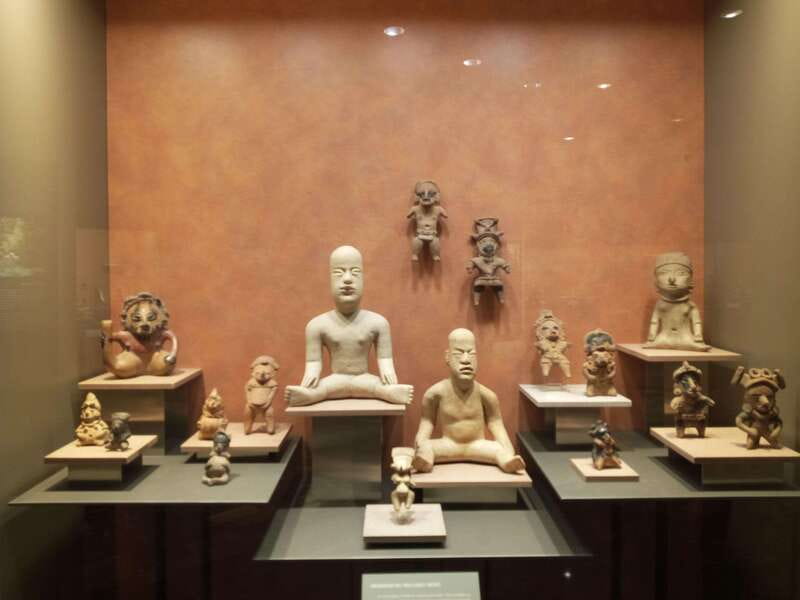
The tour also includes the Toltec and Gulf of Mexico cultures. These sections broaden the visit beyond the museum’s best-known Mexica and Maya pieces.
The Gulf collections are particularly useful for showing the range of cultures represented under one roof. You are not left with the impression that Mexican history began with one central power or followed one straight path.
The Toltec rooms add another layer to the story. As with the other sections, the guide’s job is to connect the objects with the people, beliefs, and traditions that produced them.
Because the route covers several areas, you should expect a selective visit. The aim is not to read every label or stop at every object. It is to understand the main cultural groups and see a well-chosen set of important pieces.
If you have a narrow interest, such as Maya art or Mexica religion, tell the guide early. The small group format may make it easier to shape the emphasis, though the supplied details do not promise a private or fully customized route.
Why the Gardens Matter
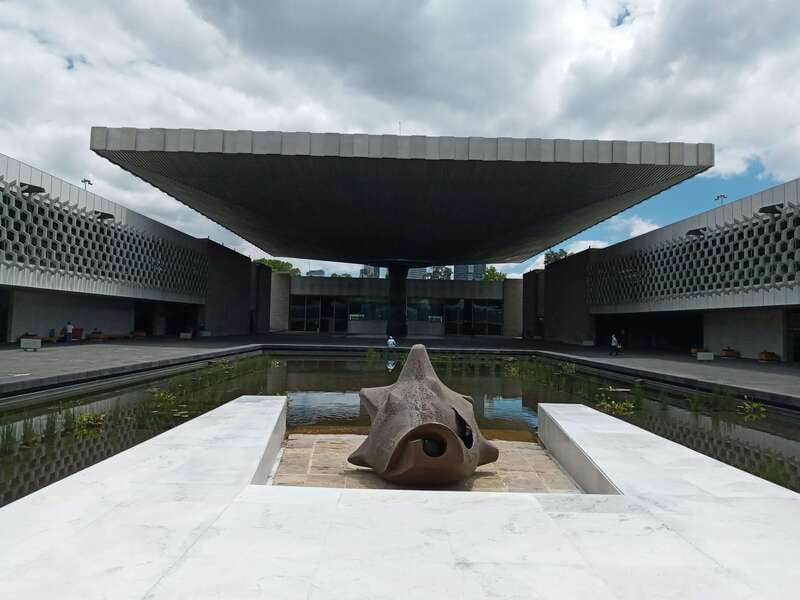
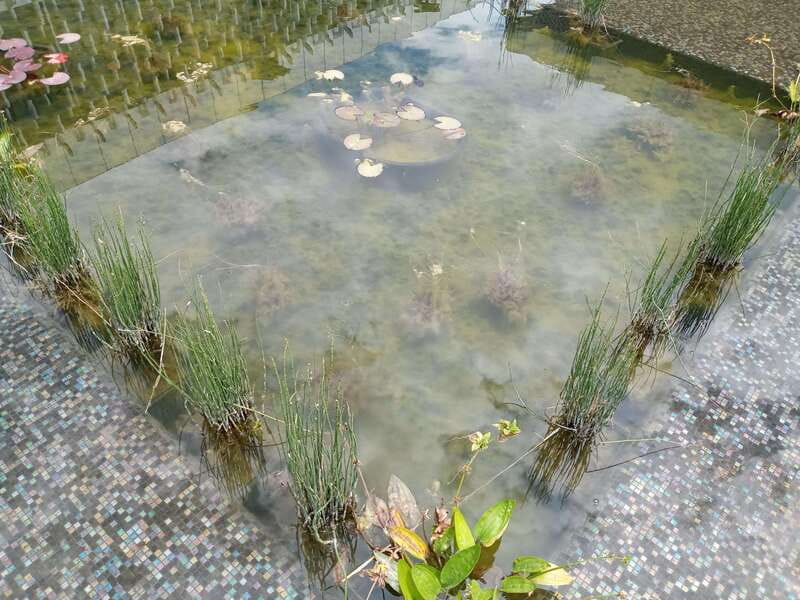
The museum gardens are included in the tour, and they are more than a pleasant extra. They complement the exhibition halls and help give the visit a change of rhythm.
Three hours indoors can become tiring, especially when you are concentrating on unfamiliar names and symbolism. The garden portion offers a chance to walk, breathe, and think about the connections the guide has drawn between the cultures.
I would not book this as a garden tour, since the museum rooms are the main event. Still, including the outdoor spaces makes the experience feel more complete. The gardens help join the building and its displays into one visit instead of leaving you with a series of disconnected galleries.
Guides Edith and Hector Set the Tone
The guide can make or break a museum visit, and this experience has two named guides who receive especially strong praise: Edith and Hector.
Edith is described as friendly, pleasant, accommodating, and able to cover a great deal of history at an enjoyable pace. She also brings a sense of humor, which is useful during a long museum visit. Her approach seems well suited to people who want solid information without a dry lecture.
Hector is praised for his explanations of artifact symbolism and historical context. His tours can run beyond the posted three hours when the conversation becomes absorbing, so do not schedule a tight appointment immediately afterward.
I would not assume that you can choose between Edith and Hector when booking. The provider is Edith G. Tour Guide, and the available guide may depend on the date and schedule. Still, the consistently positive comments about both names suggest that the quality is not tied to one isolated visit.
The best part of the guiding style is the willingness to answer questions. Several visitors found that the museum came alive once they understood the symbols, and one person even wanted to book another tour with Hector but found him fully booked.
What Three Hours Really Covers
Three hours is a sensible length for a guided introduction. It is long enough to move beyond a quick highlight reel, but short enough to keep the visit manageable.
The tradeoff is clear: you will not see the whole museum in depth. One detailed visit covered only a relatively small portion of the collection, leaving enough for another couple of hours of independent exploration.
I recommend treating the tour as the first half of your museum day. Afterward, return to the rooms that interested you most. You may also want to spend time looking at displays the guide had to pass over.
If you plan to stay longer, think about food timing. One useful practical point is that lunch in the museum dining room may not be available until 1 p.m., though a late breakfast was found to be a good way to recharge before another independent visit. Since food and beverages are not included, plan to pay separately.
Is the $38 Price Good Value?
At $38 per person, this is not the cheapest way to enter a museum. Admission is included, though food, drinks, and souvenirs are not.
The value comes from the guide’s interpretation and the small group, not from extra attractions or transport. You are paying to understand the objects, ask questions in English, and get an organized route through a museum that can otherwise feel overwhelming.
For a first visit to Mexico City, I think the price is reasonable if Mexican history and Mesoamerican cultures are a serious interest. The guide can save you from spending hours reading limited English signage while still missing the meaning of the objects.
It is less compelling if you prefer to move slowly at your own pace, read every label, or focus on photography. In that case, you may prefer a self-guided visit and the freedom to spend all afternoon in one section.
The high rating of 4.8 from 32 reviews supports the idea that the guiding is the central strength. I would still judge the price against your own museum habits. If you want context, the fee is useful. If you mainly want entry, it is harder to justify.
Who Should Book This Museum Tour?
I would recommend it to first-time visitors who want a clear introduction to Mexico’s major pre-Hispanic cultures. It also suits non-Spanish speakers, families with older children who can manage a three-hour walk, and anyone who prefers asking a real person rather than decoding labels.
History students and museum fans may also like it as a starting point. The tour can help you identify which rooms deserve a longer independent visit later.
I would be more cautious if your schedule is packed. The tour already lasts three hours, and the museum deserves extra time if you want to explore beyond the main route. It is also not the right choice for someone who dislikes guided pacing.
The small group is a meaningful advantage. With no more than eight people, the guide can respond to questions, and you are less likely to feel lost in a large public museum.
Booking Flexibility and Practical Details
You can cancel up to 24 hours before the tour for a full refund, and the reserve-now, pay-later option keeps your plans flexible. Those policies are useful in Mexico City, where weather, traffic, and changing day plans can affect a museum schedule.
The tour is conducted in English and includes entrance to the museum plus the guided visit by a federal tour guide. Food, beverages, and souvenirs are separate expenses.
Bring comfortable shoes. That is the one packing tip provided, and it is exactly right for a three-hour route through multiple rooms and gardens.
Should You Book It?
Book this tour if you want the Museum of Anthropology to make sense, not simply look impressive. The Sun Stone, Coatlicue, Olmec Heads, and Mask of Pakal are far more rewarding when someone explains their symbols and place in Mexican history.
The strongest case is the combination of an English-speaking federal guide, a group capped at eight, and a route that includes several major cultures. Edith and Hector are both noted for clear explanations, warmth, humor, and thoughtful answers.
Skip it if you want a completely independent museum day or only have time for a short visit. For everyone else, I would book the three-hour tour, then leave room for a late meal and another couple of hours to explore the rooms that caught your attention.
FAQ
How long is the Museum of Anthropology guided tour?
The tour lasts three hours. It usually takes place in the morning or afternoon.
What language is the tour conducted in?
The live tour guide speaks English.
Which cultures are included?
The route includes Teotihuacan, Mexica, Maya, Toltec, and Gulf of Mexico cultures.
Which famous artifacts will I see?
The tour emphasizes the Sun Stone, Coatlicue, Olmec Heads, and Mask of Pakal.
Where does the tour meet?
Meet at the entrance to the Museum of Anthropology, next to the Mexican flag.
What is included in the $38 price?
The price includes museum entrance and a guided visit with a federal tour guide. Food, beverages, and souvenirs are not included.
Recently reviewed around Mexico City
- Teotihuacan from Mexico City with early access★ 4.7 · 49 reviews
- Teotihuacan Pyramids: Guided Tour with Entry Ticket Included★ 4.1 · 45 reviews
- Teotihuacan Pyramids: Skip-the-Line Ticket★ 3.8 · 98 reviews
- From Mexico City: Puebla and Cholula Day Tour★ 4.2 · 194 reviews
- Puebla: Cholula Magical Town Tour by Double-Decker Bus★ 4.3 · 74 reviews
- Puebla: Walking Tour of Puebla City★ 4.9 · 45 reviews
- Nevado De Toluca: Reach the Summit with Professionals★ 4.8 · 250 reviews
- Mexico City: Vegan and Vegetarian Street Food Adventure★ 4.8 · 65 reviews
Museums, compared.
Xochimilco, Coyoacan, Frida Kahlo Museum & Murals Tour
Read our review →
Chapultepec Castle & Anthropology Museum Tour
Read our review →![Frida Kahlo VIP [Museum Tickets Included] Bike, Markets & Churros](https://1.bestmexicotours.com/wp-content/uploads/frida-kahlo-vip-museum-tickets-included-bike-markets-churros-400x267.jpg)
Frida Kahlo VIP [Museum Tickets Included] Bike, Markets & Churros
Read our review →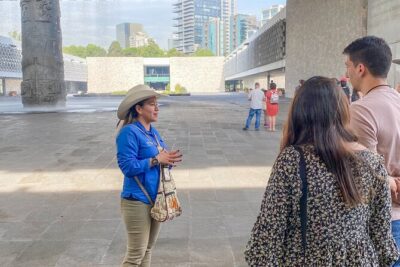
![Frida Kahlo VIP [Museum Tickets Included] Walk, Markets & Churros](https://1.bestmexicotours.com/wp-content/uploads/frida-kahlo-vip-museum-tickets-included-walk-markets-churros-400x267.jpg)
Frida Kahlo VIP [Museum Tickets Included] Walk, Markets & Churros
Read our review →
EXCLUSIVE TOUR Frida Kahlo Museum – SMALL GROUPS
Read our review →
Coba Multun-Ha Cenote Tulum and Mayan Museum Small Group
Read our review →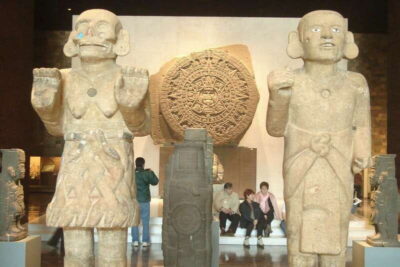
Browse the lists this tour appears in