
Reviewed · WORKSHOPS
Make Your Own Chocolate with Oaxacan Tradition Private Class
Oaxaca’s chocolate tradition becomes much easier to understand when you handle the cacao yourself. In this small class, you roast beans on a clay comal from San Marcos Tlapazola, peel them by hand, grind them, and decide how sweet your finished chocolate should be. The work is simple but physical, and the result is something you make rather than simply taste.
I like the tiny group size, capped at four people, because it gives the guide time to explain each step and help children or first-time cooks. I also like the clear connection to local life: the class uses a traditional grinder, regional ingredients, and a cocoa toast to finish the drink. The main consideration is time. Though listed at about two and a half hours, some sessions can run closer to three hours, especially when tasting and preparing the drink take their full share of the afternoon.
In This Review
- Key points at a glance
- Starting at 5 de Mayo 210 in central Oaxaca
- First, learn what cacao actually is
- Roasting cacao on a San Marcos Tlapazola comal
- Peeling the beans by hand
- Grinding and building your own chocolate blend
- Preparing a traditional chocolate drink with a grinder
- What you take home from the class
- Is $98.57 per person a good value?
- Who will enjoy this Oaxaca chocolate class most?
- Practical details before you book
- Should you book Make Your Own Chocolate with Oaxacan Tradition?
- FAQ
- Where does the chocolate class begin?
- Where does the activity end?
- How long does the experience last?
- How much does the experience cost?
- Is the class offered in English?
- How many people can join the class?
- What will I make during the workshop?
- Is food included?
- Can I cancel for a full refund?
Key points at a glance
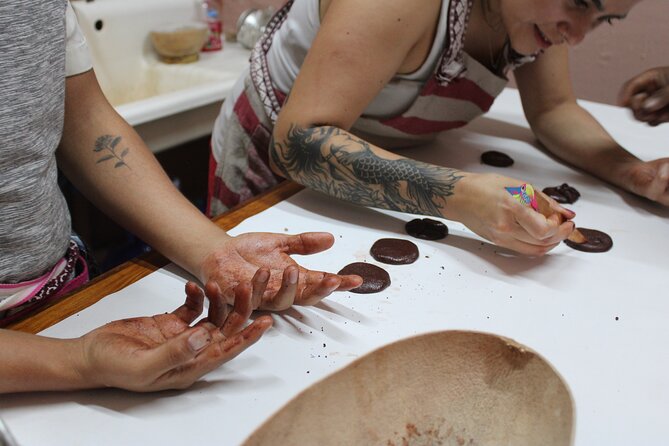
- Roast cacao on a clay comal: The comal comes from San Marcos Tlapazola in Oaxaca’s Central Valleys, giving the workshop a direct link to local craft and cooking.
- Taste cacao before making chocolate: You compare beans and powders while learning the difference between cacao, commercial chocolate, and conscious chocolate.
- Set your own sugar level: Your final blend can be adjusted to your taste and mixed with ingredients from the region.
- Use a traditional grinder: Preparing the drink takes hands-on work and shows how chocolate becomes smooth and drinkable.
- Keep the chocolate you make: You leave with your own finished chocolate, not just a memory and a sugar rush.
- Small, family-friendly format: The maximum group size is four, and children as young as four have taken part with help from the guides.
Starting at 5 de Mayo 210 in central Oaxaca
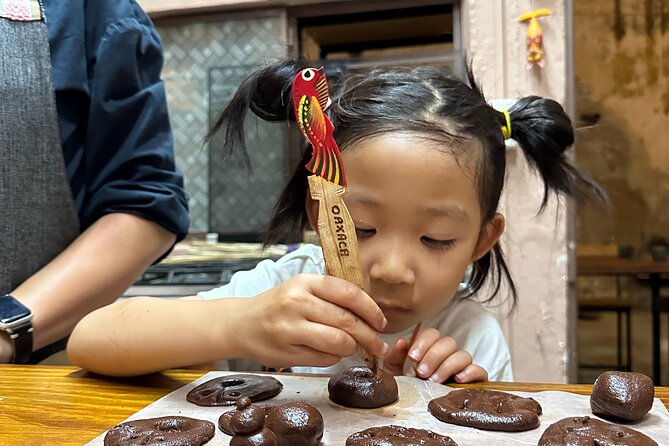
The workshop begins at 5 de Mayo 210, on the Ruta Independencia in Centro, Oaxaca de Juárez. The activity returns to this same meeting point, so you do not need to arrange a second pickup or find your way to a separate ending spot.
The central address matters in Oaxaca. You can fit this class into a day of walking around the historic center, though you should allow enough time to arrive without rushing. The session is offered in English, which is useful if you want detailed explanations about processing, local customs, and the difference between cacao and finished chocolate.
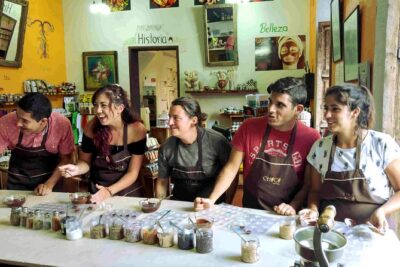
This is a private class with a maximum of four people. That limit makes a real difference here. Roasting, peeling, grinding, and mixing are hands-on tasks, and a large group would make the work feel more like a demonstration. In a small group, you can ask about the beans in front of you, take your time with the grinder, and adjust your own mixture.
Chimalapa Cacao is the provider. Guides named in the experience include Diego, Fernanda, Lupita, and Ruth. The teaching style appears to be warm and patient, especially with children, but the session is not only for families. Couples, friends, and solo participants can all make good use of the compact format.
More Oaxaca trips worth a second look
- Cacao, Chocolate Experience in Oaxaca for Small Groups
★ 5.0 · 92 reviews - Finca 18 Puerto Vallarta Tequila Tour + Chocolate Pairing
★ 5.0 · 393 reviews - Bean to Bar Chocolate Workshop in Puerto Vallarta
★ 5.0 · 381 reviews
First, learn what cacao actually is
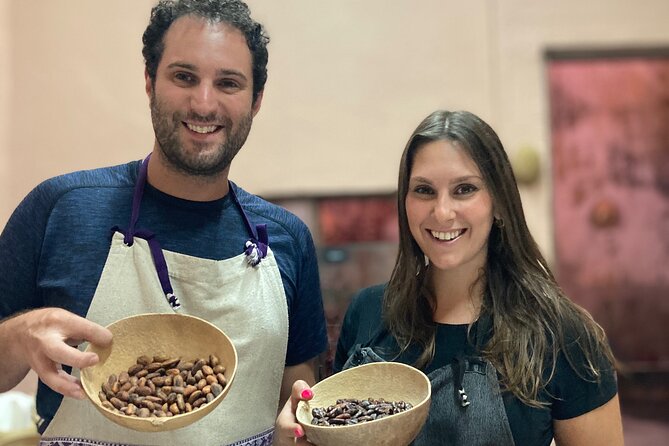
The class begins with an introduction to cacao from Oaxaca. This is not just a quick explanation before the cooking starts. You learn to identify the organoleptic qualities of different seeds, meaning their smell, flavor, texture, and other sensory traits.
That first tasting gives you a useful frame for everything that follows. You begin to see that chocolate is not one fixed flavor. Different beans and different methods of handling them can change the final result. The workshop also explains the difference between cacao, commercial chocolate, and what it calls conscious chocolate.
For you, the value is practical. Once you taste the beans before sugar and other ingredients are added, you can better understand what those additions do. Sweetness may soften bitterness, while roasting changes the aroma. The class gives you a chance to compare rather than simply accept a finished chocolate drink as an anonymous sweet treat.
The educational side has been a strong part of this experience for both adults and children. Kids can take part in a real process, not just watch someone make something. Adults with some prior chocolate knowledge still have room to learn, especially during the tasting of different beans and ground powders.
Roasting cacao on a San Marcos Tlapazola comal
Next comes roasting. You place the cacao on a clay comal from San Marcos Tlapazola, a community in Oaxaca’s Central Valleys. The comal is more than a cooking surface. It connects the class to the tools and methods used in local kitchens and gives you a sense of how heat changes the beans.
The process is direct and tactile. You watch the beans change as they roast, then handle them once they are ready to peel. The class uses the work itself to explain part of the story and culture of cacao in the community.
This is one of the more appealing parts for visitors who want something grounded in Oaxaca rather than a generic confectionery workshop. You are not simply melting prepared chocolate and adding toppings. You start with cacao and take it through several stages.
There is one small point to keep in mind: roasting and grinding are active tasks, so this is not a sit-back-and-sample activity. That is a benefit if you like participation, but people looking for a short tasting may find the class more involved than expected.
Peeling the beans by hand
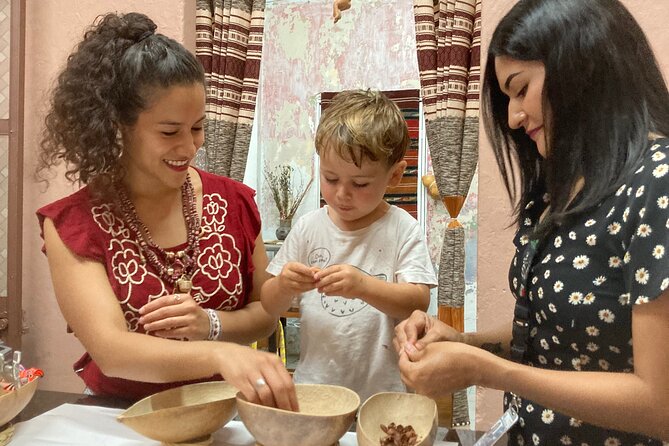
After roasting, you peel the cacao with your hands. The step sounds basic, but it slows the process down and helps you understand how much work sits behind a polished bar of chocolate or a cup of hot cocoa.
The peeling also becomes part of the cultural explanation. As you remove the outer layer, the guide shares more about cacao’s role in the local community. This gives the activity a human scale. You are not dealing with an abstract ingredient shipped through a supply chain. You are holding the material that will become your drink and your finished chocolate.
Children can handle this part well, though younger participants may need patient help. A four-year-old has taken part successfully, and an older child described the class as a top Oaxaca experience. Still, each child will have a different attention span, so families should expect a real two-and-a-half-hour activity rather than a quick craft project.
For adults, peeling is also a useful pause between the opening tasting and the more strenuous grinding. It gives the guide time to answer questions and gives you a closer look at the beans before they are transformed.
A different kind of day out, same stretch of Mexico:
- Hierve el Agua, Tule Tree, Mitla and Mezcal Distillery Tour
★ 4.5 · 1,094 reviews - Explore Hierve el Agua, Mitla, Tule, Textile and Mezcal for a day
★ 5.0 · 1,043 reviews - Monte Alban Guided Half Day Tour
★ 5.0 · 880 reviews - From Oaxaca de Juarez: Hierve el Agua and Mezcal Distillery
★ 4.9 · 615 reviews
Grinding and building your own chocolate blend
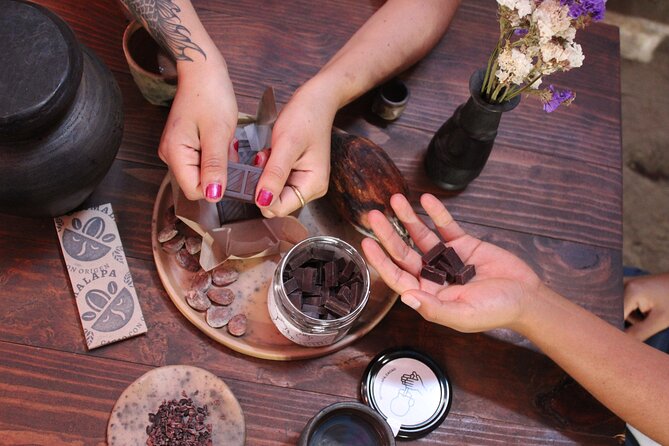
Once the beans are peeled, you transform them into chocolate in an artisanal way. This is where your personal choices begin to shape the result. You select the percentage of sugar and mix the cacao with different ingredients from the region.
That choice makes the workshop more interesting than a fixed recipe. You can aim for a sweeter blend or keep the cacao flavor more pronounced. The final mixture reflects your preference, so there is no single correct result. If you are tasting carefully, you can think back to the opening samples and decide which qualities you want to bring forward.
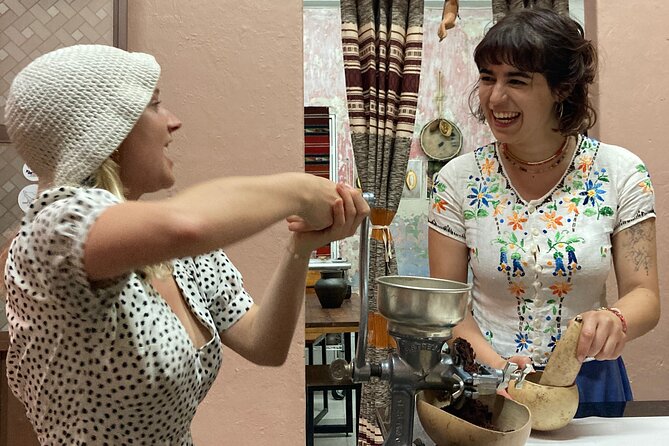
The grinding takes effort. One participant described it as a bit of a workout, and that is useful advice for anyone expecting a polished, effortless cooking class. The traditional method gives you a better feel for the labor involved in making chocolate by hand.
You also get a practical lesson in texture. Ground cacao is not the same as a smooth commercial bar. The process of working it helps explain how ingredients combine and why repeated grinding matters. The exact texture of your finished chocolate may depend on your technique, the blend, and how long you work it.
The class is especially good for people who like food experiences with a visible beginning and end. You see the beans, make decisions about the mixture, work the ingredients yourself, and leave with chocolate made by your own hands.
Preparing a traditional chocolate drink with a grinder
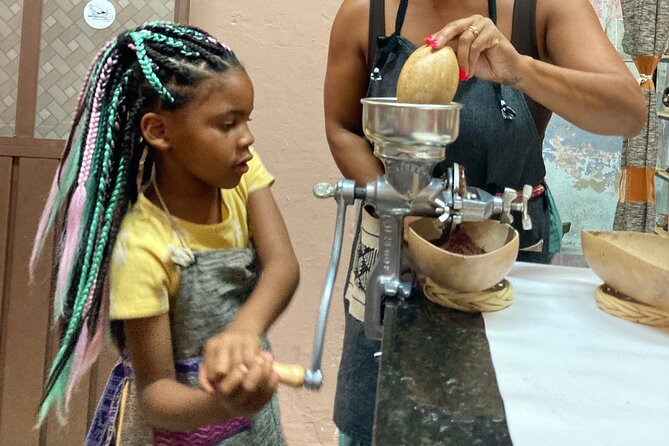
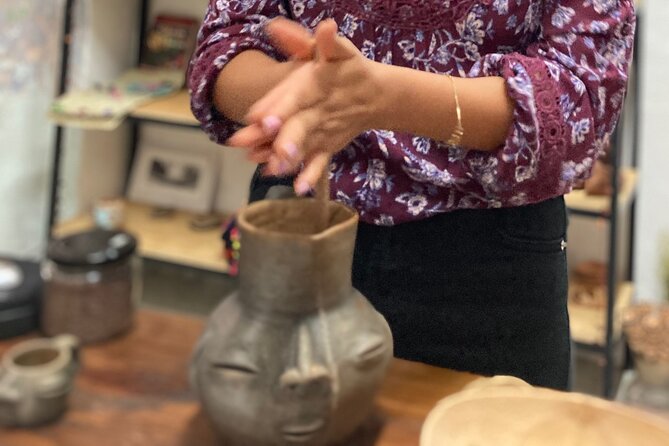
To finish the main preparation, the guide shows you how to make a chocolate drink using a traditional grinder, a kitchen utensil used to incorporate and combine the chocolate. This is the moment when the ground mixture becomes a drink rather than simply a paste or souvenir.
The grinder also makes the class feel distinctly Oaxacan. You are learning a serving method tied to traditional kitchens, not just applying a modern recipe to local ingredients. The action requires some practice, and you may need a little time to get the mixture properly integrated.
Plan for the drink to take longer than a standard café order. The process is part of the experience, and the time spent tasting, mixing, and adjusting is why the activity can extend to around three hours. If you have another booking immediately afterward, leave a buffer.
The drink is paired with a cocoa toast, listed as the dessert. This small finish works well because it keeps the final tasting focused on cacao instead of adding a completely separate dessert course. You taste the drink you made, eat a cocoa-based accompaniment, and compare the result with what you sampled at the start.
What you take home from the class
You take your own chocolate made during the workshop. The amount and final texture are not specified, so you should think of it as a handmade edible souvenir rather than a large supply for the rest of your trip.
That souvenir has more meaning than a bar bought in a shop because you know how it was roasted, peeled, ground, and sweetened. You also have a clear memory of your personal blend. If you choose a different sugar level from someone else in your group, you can taste how that decision changes the finished chocolate.
Shopping is also part of the wider appeal of the experience. The class has an educational and tasting component, but it can also help you decide what kinds of cacao products you want to buy in Oaxaca. You will have tasted beans and powders in several forms before spending money on packaged chocolate.
Is $98.57 per person a good value?
At $98.57 per person, this is not a budget food stop. The price makes the most sense if you value a private, hands-on class rather than simply wanting a cup of hot chocolate.
You are paying for about two and a half hours of instruction, a group limit of four, tastings, the roasting and grinding process, the drink preparation, the cocoa toast, and the chocolate you make. The individual attention is important here. A cheaper class with a large group might offer the same broad topic but less time at the comal, grinder, or ingredient table.
The value is strongest for people who enjoy learning how food is made and want a cultural activity with a finished product. It is also a good use of money for a family that wants one shared activity. Children can participate, and the guides have been praised for patience with young participants.
For a solo visitor, the price needs a closer look. The class can work very well alone because the group is small and the learning is personal, but you will want to be sure you genuinely enjoy food workshops before booking. If your main goal is a quick taste of Oaxacan chocolate, a café or market purchase will cost less.
The class is booked an average of 16 days ahead, so do not leave it until the last morning if it is central to your Oaxaca plans. Free cancellation is available when you cancel at least 24 hours before the start time. Inside that window, the payment is not refunded, and late changes are not accepted.
Who will enjoy this Oaxaca chocolate class most?
I would choose this experience for:
- Families with children: Kids can peel, grind, taste, and make a product they can take home. Children aged four, nine, eleven, and thirteen have taken part, though there is no stated minimum age.
- Couples and friends: The private format gives you room to compare sugar levels and chocolate blends without being lost in a crowd.
- Solo food lovers: You get plenty of direct instruction, and the hands-on work gives structure to an afternoon.
- Cacao beginners: The opening comparison of beans, commercial chocolate, and conscious chocolate gives you a useful starting point.
- People interested in local traditions: The clay comal, hand peeling, traditional grinder, and community-based explanation connect the recipe to Oaxaca.
I would skip it if you want a fast tasting, dislike repetitive hand work, or have a tight schedule after the class. The experience is intentionally slower than ordering a drink and moving on.
Practical details before you book
The activity is offered in English and accepts mobile tickets. It is near public transportation, and service animals are allowed. The maximum group size is four, making this a private and personal session rather than a large public demonstration.
The advertised duration is approximately two hours and 30 minutes. In practice, you should allow closer to three hours if you want to enjoy the tasting and drink preparation without rushing.
The class begins and ends at 5 de Mayo 210, Ruta Independencia, Centro, Oaxaca de Juárez, Oaxaca, Mexico. Confirmation arrives when you book. Group discounts are available, so check the total price if you are booking for several people.
Should you book Make Your Own Chocolate with Oaxacan Tradition?
Book it if you want to understand Oaxacan chocolate by making it yourself. The best parts are the small group, the use of a local clay comal, the freedom to set your sugar level, and the chance to take home your own blend.
The price is fair for a private, hands-on workshop, but it is too high for anyone seeking only a snack. Give yourself three hours, arrive ready to work with your hands, and treat the finished drink and chocolate as the payoff for the process. For families, food-focused couples, and curious solo visitors, this is one of the more personal ways to connect a familiar treat with Oaxaca’s local traditions.
FAQ
Where does the chocolate class begin?
It begins at 5 de Mayo 210, Ruta Independencia, Centro, 68000 Oaxaca de Juárez, Oaxaca, Mexico.
Where does the activity end?
The class ends back at the meeting point.
How long does the experience last?
The advertised duration is approximately two hours and 30 minutes. You should allow additional time if the session runs closer to three hours.
How much does the experience cost?
The listed price is $98.57 per person. Group discounts are available.
Is the class offered in English?
Yes. The experience is offered in English.
How many people can join the class?
The maximum group size is four participants.
What will I make during the workshop?
You roast, peel, and grind cacao, choose the percentage of sugar, mix the chocolate with regional ingredients, and prepare a traditional chocolate drink using a grinder. You also receive the chocolate you make.
Is food included?
The experience includes a cocoa-based drink that you prepare and a cocoa toast listed as dessert.
Can I cancel for a full refund?
Yes, if you cancel at least 24 hours before the experience start time. Cancellations made less than 24 hours before the start time are not refunded, and changes within that period are not accepted.
Recently reviewed around Oaxaca
- Private Minivan: Huatulco International Airport (HUX)★ 4.0 · 119 reviews
- Ultimate Hierve el Agua Hike + Textile Art★ 5.0 · 42 reviews
- Culture, History and Food in Oaxaca City★ 5.0 · 43 reviews
- Oaxaca Walking Tour★ 5.0 · 32 reviews
- Private and safe transfer from the airport to the hotel in Oaxaca★ 4.5 · 58 reviews
- Traditional Oaxaqueña Cooking with Grandma’s Recipes★ 5.0 · 260 reviews
- Private and Secure Transfer Hotel to Oaxaca Airport★ 5.0 · 33 reviews
- The Late Shift: Tasting Oaxaca, by Night★ 5.0 · 35 reviews
Workshops, compared.
Cabo San Lucas Mexican Cooking Class Experience and Local Markets
Read our review →
Puerto Vallarta Cooking Class Experience with Market Tour
Read our review →
La Paz World Class Snorkeling in Balandras Hidden Beaches
Read our review →
Mexican Cooking Class with Food Market Visit in Mexico City
Read our review →
Bean to Bar Chocolate Workshop in Puerto Vallarta
Read our review →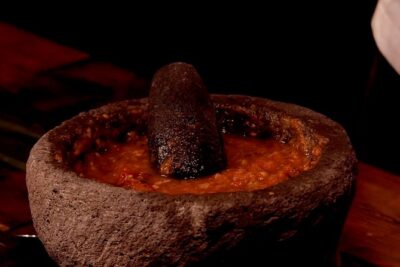
Browse the lists this tour appears in