
Reviewed · DESSERT TOURS
Cacao, Chocolate Experience in Oaxaca for Small Groups
The best part of this Oaxaca experience is its progression from pure cocoa to sweet chocolate, with cacao nibs, powders, bars, drinking chocolate, and regional varieties showing how much the final flavor can change. You are not simply handed a box of bonbons. You taste the ingredient at several stages and learn why it matters in Oaxaca.
I like the six-person limit, which gives the session a personal feel, and I like the clear link between cacao, local culture, farming, and food. Guides including Lucy, Martín, Elvia, and Azomalli have led sessions praised for patient explanations and excellent English. The main caution is value: at $80.65 per person, this is a serious price for a two-hour tasting, and one part of the session is spent seated listening.
In This Review
- Key points to know before you book
- Starting with cacao instead of candy
- The story of cacao in Oaxaca
- Fifteen to twenty ways to taste chocolate
- The cocoa toast and final drink
- A small, attractive setting in Centro
- How the guides shape the experience
- Is $80.65 a fair price?
- Who will enjoy this most?
- Practical details before you go
- Should you book the Chimalapa Cacao tasting?
- FAQ
- Where does the cacao experience begin?
- Where does the activity end?
- How long does the experience last?
- How much does the experience cost?
- How many people can join the group?
- Is the experience offered in English?
- What kinds of cacao and chocolate do you taste?
- Is food included?
- Can I cancel for a refund?
Key points to know before you book
- 15 to 20 tastes: Sample cacao in forms ranging from natural beans and nibs to bars, powders, hot chocolate, cold drinks, and milk-based preparations.
- A small central Oaxaca setting: Meet at 5 de Mayo 210 in the Centro and return there when the session ends.
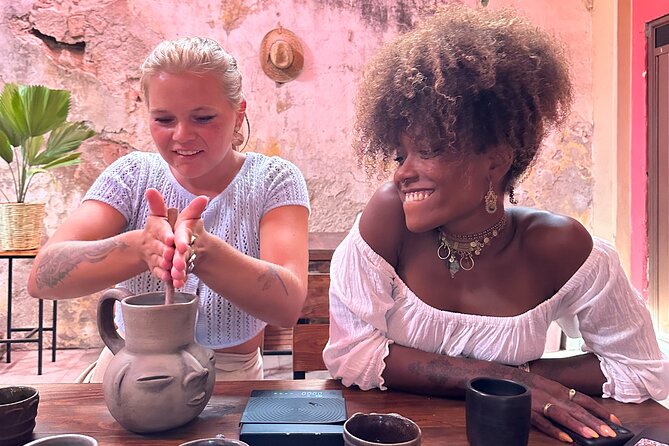
- A hands-on finish: You can adjust and prepare a chocolate drink to suit your taste, with some sessions including extra touches such as fruit toast or a local-style affogato.
- Strong family appeal: Children as young as five have enjoyed the tasting and mixing, while the format also suits couples, solo visitors, and vegan diners.
- English instruction: The experience is offered in English, with guides such as Lucy, Martín, Elvia, and Azomalli praised for patient, clear teaching.
- A real price decision: $80.65 buys a focused food lesson and many samples, but it is not a bargain snack stop.
Starting with cacao instead of candy
Chimalapa Cacao begins with the raw material. That matters because many chocolate tastings rush straight to polished bars, where sugar and texture do most of the work. Here, you work through different percentages and preparations, starting with pure cocoa at 0 percent sugar and moving toward more familiar chocolate.
You might taste natural cacao, regional varieties, nibs, powder, bars, and drinking chocolate. The point is not to declare one sample the winner. It is to notice how fermentation, refining, added sugar, milk, water, temperature, and the cacao variety change what reaches your tongue.
For you, this makes the session closer to a short food class than a simple tasting. If you already enjoy dark chocolate, you will have plenty to think about. If you normally prefer sweet chocolate, the early samples may be sharp, bitter, earthy, or unfamiliar, but the later drinks and bars offer an easier path into the subject.
The format also gives you room to ask questions. Several guides have been singled out for explaining the process in plain English and for answering detailed questions without hurrying the group. Martín, for example, has led tastings that include nibs and drinking chocolate prepared with both water and milk, served hot and cold.
More Oaxaca trips worth a second look
- Make Your Own Chocolate with Oaxacan Tradition Private Class
★ 5.0 · 45 reviews - Finca 18 Puerto Vallarta Tequila Tour + Chocolate Pairing
★ 5.0 · 393 reviews - Bean to Bar Chocolate Workshop in Puerto Vallarta
★ 5.0 · 381 reviews
The story of cacao in Oaxaca
The tasting includes the cultural background of cacao in Oaxaca and an explanation of its traceability. That means the conversation goes beyond how chocolate is made. You learn how cacao connects to the region, its farms, local food customs, and the path from bean to finished drink or bar.
This is one of the strongest reasons to book the experience. Oaxaca is famous for its chocolate traditions, but it is easy to experience them only as a sweet drink alongside breakfast or a mole dinner. A session like this gives you a clearer sense of what sits behind those familiar flavors.
The exact presentation can vary with the guide and the group. Elvia has explained cacao varieties along with fermentation and refining. Azomalli has covered the cultural history, changes in cacao over time, varieties, and production methods. Those different teaching styles suggest a session shaped by the person leading it, rather than a stiff script.
That is good news if you like conversation and questions. It also means the pace may feel slower if you prefer constant action. One three-star assessment found the long talk in one place boring and felt the snack was too small for the price. Keep that possibility in mind: this is a seated learning experience with tastings, not a moving tour of farms or workshops.
Fifteen to twenty ways to taste chocolate
The quantity of samples is generous for a two-hour session. You may try cacao in its natural form, regional cacao, nibs, powder, bars, drinks, and versions made with alternative sugars. The range helps you separate the flavor of the cacao from the flavor of the recipe.
The pure cocoa samples are especially useful. At 0 percent sugar, they show you the bean with no sweet cushion. From there, the group can compare more traditional chocolate and different levels of sweetness. If you are vegan, the tasting is designed to be suitable for you, and the use of alternative sugars adds another point of comparison.
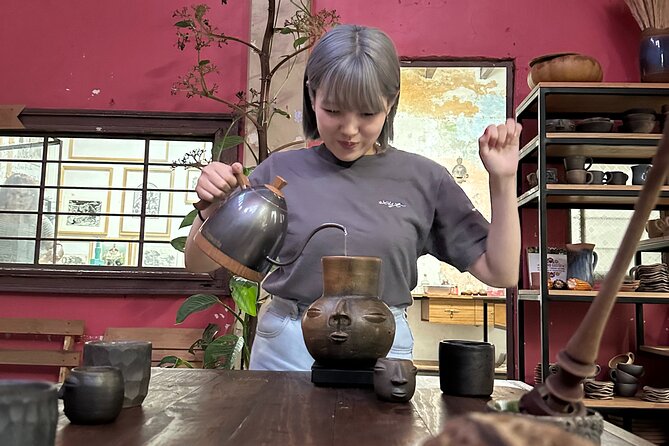
Drinking chocolate is a major part of the fun. Preparations may include hot or cold drinks, versions made with water or milk, and a chance to adjust the mixture to your own preference. Some people enjoy the hands-on element more than the formal tasting because it lets them make decisions instead of simply receiving a finished sample.
Families should find this part approachable. Children have been welcomed into the activity, and the guides have been patient with young participants. A five-year-old has enjoyed it enough to ask about returning, while older children have liked mixing and tasting different varieties.
Still, do not expect a full meal. This is a food experience, but the portions are tasting portions. If you are hungry, eat beforehand or plan a meal afterward.
The cocoa toast and final drink
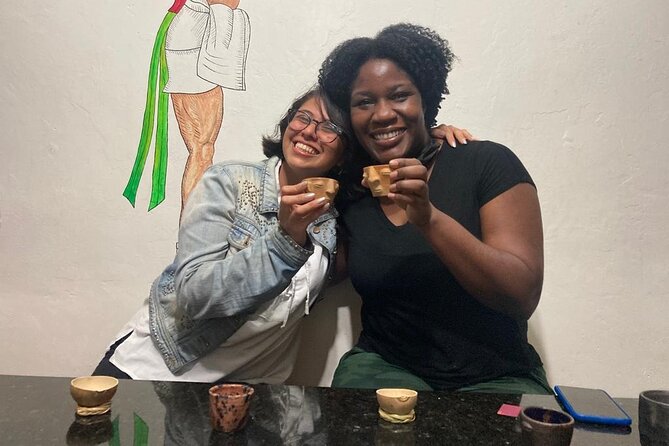
Partway through the session, you take a short break with a cocoa-based sandwich. The listed sample menu calls it cocoa toast, made with sourdough bread and organic ingredients. This is a welcome change of texture after several sweet or bitter tastes.
The snack gives the group a chance to pause and reset your palate. It also shows how cacao can work in food beyond candy and drinks. The amount is modest, however. One assessment specifically found the final snack less substantial than expected, so I would treat it as a thoughtful tasting element rather than lunch.
The session finishes with a house drink based on cacao. Other accounts of the activity describe special finishing touches such as strawberry toast and a local-style affogato, but you should not count on those extras as a fixed part of every booking. The dependable promise is a cocoa-based drink to close the experience.
A different kind of day out, same stretch of Mexico:
- Hierve el Agua, Tule Tree, Mitla and Mezcal Distillery Tour
★ 4.5 · 1,094 reviews - Explore Hierve el Agua, Mitla, Tule, Textile and Mezcal for a day
★ 5.0 · 1,043 reviews - Monte Alban Guided Half Day Tour
★ 5.0 · 880 reviews - From Oaxaca de Juarez: Hierve el Agua and Mezcal Distillery
★ 4.9 · 615 reviews
A small, attractive setting in Centro
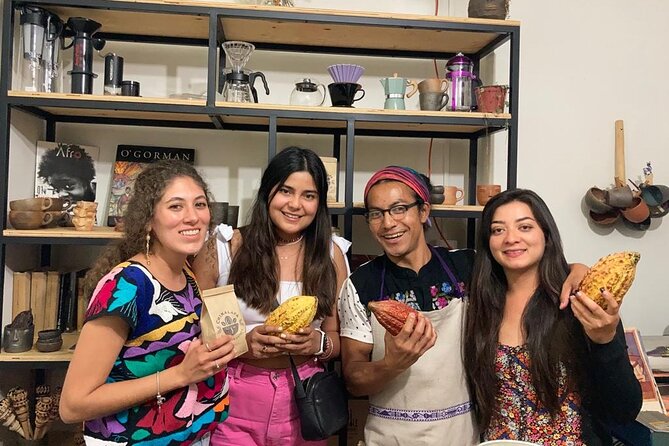
The meeting point is 5 de Mayo 210, in the Ruta Independencia area of central Oaxaca City. You return to the same spot at the end, so there is no complicated transport plan and no need to arrange a separate pickup.
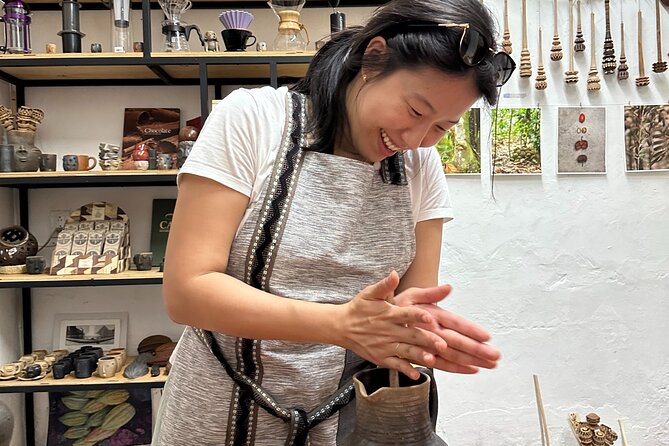
The setting has been praised as beautiful, quaint, and peaceful. Pottery and local products add to the sense that you are in a working cacao space rather than a generic cooking room. You may also have the chance to buy some of the products afterward, including distinctive items such as chili cacao powder and other chocolate goods.
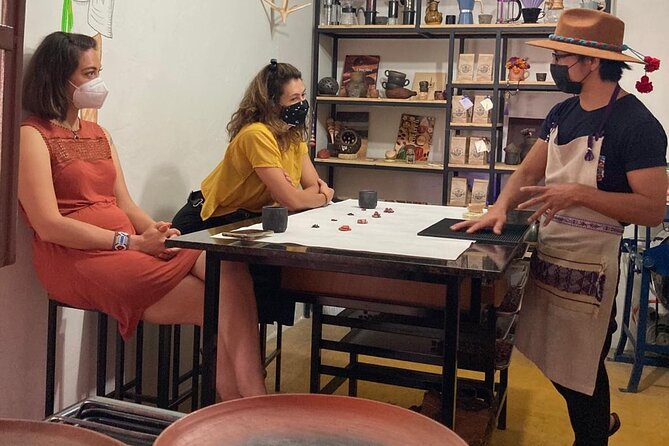
Because the group is capped at six people, the room can feel more like a private lesson than a public demonstration. A solo booking has even ended up functioning as an individual session. Couples can ask detailed questions, and families can take part without losing their children in a large crowd.
The small size has one trade-off. If you like the energy of a large group, this may feel quiet. The activity depends on conversation, tasting, and attention to the guide, so you will get more from it if you are willing to participate.
How the guides shape the experience
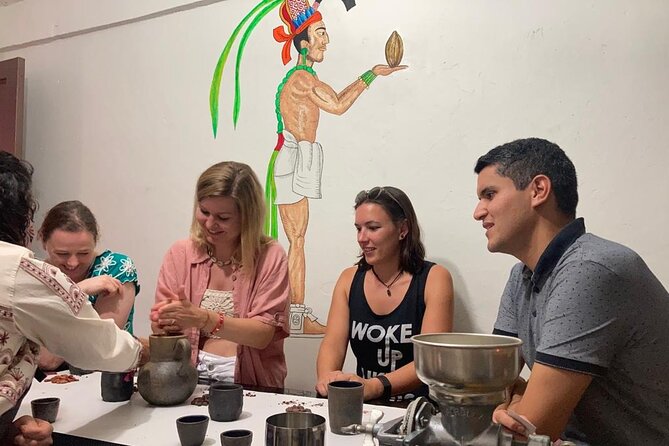
The strongest part of the session is the teaching. Lucy has been praised for her history of cacao, patience, and warm answers to questions. Martín brings a detailed tasting format and can accommodate some Spanish practice. Elvia explains fermentation and refining in a clear way, while Azomalli has been described as engaging, calm, and passionate about both chocolate and Oaxaca.
Those names are useful because they show the range of people who may lead the activity. You are not guaranteed one particular guide unless the booking specifies it, but the sessions have a clear pattern: personal instruction, cultural context, and time to ask questions.
The English is reported to be excellent and easy to follow. That is important for a tasting built around small flavor differences. If you cannot understand why one sample is more bitter, fruity, earthy, or sweet, much of the value disappears.
The guides also appear comfortable with mixed ages and experience levels. You do not need to know anything about cacao before arriving. You can simply taste and ask basic questions, or use the session to explore production details and regional customs.
Is $80.65 a fair price?
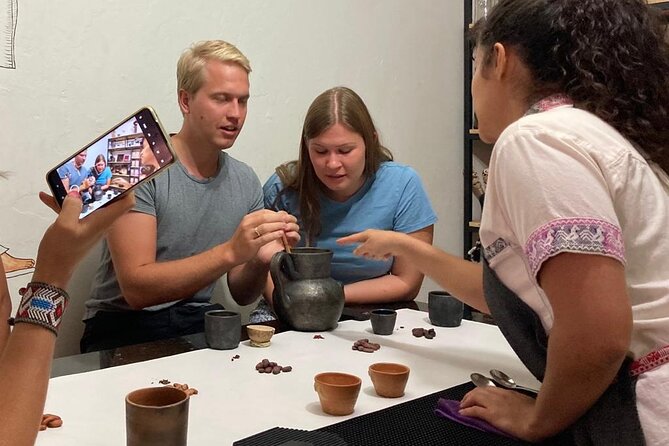
At $80.65 per person, the experience sits well above the cost of buying a hot chocolate and a pastry in Oaxaca. You are paying for a two-hour lesson, a large number of samples, an intimate group, a snack, a final drink, and access to people who can explain the subject in English.
I think the price makes more sense if you treat this as a focused cultural activity. The value is not just the amount of chocolate you consume. It is the chance to compare cacao at different stages, understand fermentation and refining, learn about Oaxacan traditions, and shape a drink yourself.
The price is harder to justify if you mainly want dessert. You could spend far less on chocolate drinks and sweets around town. You should also remember that the cocoa toast is a light snack, not a meal.
For chocolate fans, food-focused couples, and families who like hands-on lessons, the small group and wide tasting range may justify the cost. For budget-minded visitors or anyone who dislikes long explanations, I would choose a less expensive chocolate stop.
Who will enjoy this most?
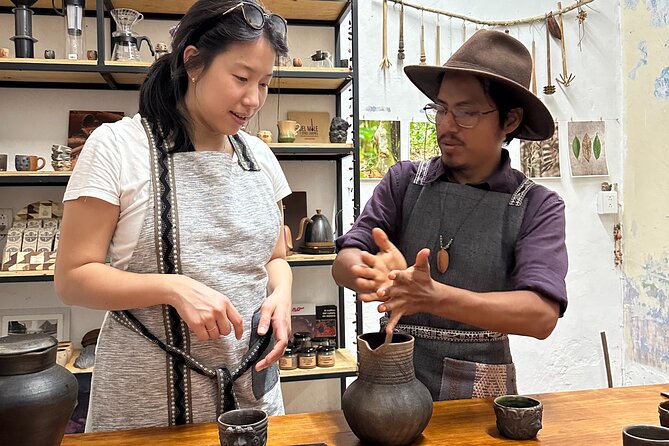
I would put this near the top of the list for anyone who wants to understand Oaxacan chocolate rather than simply eat it. The session works especially well for:
- Couples looking for a calm indoor activity
- Solo visitors who enjoy asking questions
- Families with children who like mixing and tasting
- Vegans seeking a food activity designed to include them
- People curious about cacao farming, processing, and local customs
- Chocolate lovers who want to compare pure cocoa with sweetened forms
It is less suited to you if you need a full meal, dislike seated instruction, or want to see cacao growing in the countryside. There is no farm transport or wider city tour included in the information provided. You stay at the meeting point for the session.
The two-hour length fits neatly into a morning or afternoon in Centro. Since the activity is often booked about 16 days ahead, booking early is sensible if you want a particular date or are building a tight Oaxaca schedule.
Practical details before you go
The tour is offered in English and accepts mobile tickets. Confirmation arrives at booking, and service animals are allowed. The meeting point is near public transportation, though you are responsible for getting to 5 de Mayo 210.
The activity ends where it starts. That makes it easy to pair with other plans in central Oaxaca, but leave yourself enough time to arrive before the scheduled start. The maximum group size is six people, and group discounts may be available.
You can cancel for a full refund up to 24 hours before the start time. Inside that 24-hour window, the payment is not refunded, and changes are not accepted. The cut-off follows local Oaxaca time.
The linked children’s option is a separate experience: a private class focused on making your own chocolate with Oaxacan tradition. Do not assume that class is included here. If your main goal is a child-centered chocolate-making lesson, compare the two options before booking.
Should you book the Chimalapa Cacao tasting?
Book it if you want a small, thoughtful cacao lesson with many samples and strong English instruction. The cultural background, variety of preparations, hands-on drink making, and friendly guides give the session more substance than a quick chocolate tasting.
I would be cautious if $80.65 feels high for a two-hour food activity or if you need a hearty snack. The experience stays in one place, and the teaching portion may feel long to anyone who wants nonstop action.
For most chocolate lovers, curious families, and visitors who want a closer look at Oaxaca’s food customs, I think it is a worthwhile splurge. Schedule it earlier in your stay if possible. That gives you time to return to the city’s chocolate shops and markets with a better sense of what you are tasting.
FAQ
Where does the cacao experience begin?
It begins at 5 de Mayo 210, Ruta Independencia, Centro, 68000 Oaxaca de Juárez, Oaxaca, Mexico.
Where does the activity end?
The activity ends back at the same meeting point.
How long does the experience last?
It lasts approximately two hours.
How much does the experience cost?
The listed price is $80.65 per person.
How many people can join the group?
The activity has a maximum of six participants.
Is the experience offered in English?
Yes. The experience is offered in English.
What kinds of cacao and chocolate do you taste?
You may taste 15 to 20 presentations, including natural cacao, regional cacao, nibs, powders, chocolate bars, drinking chocolate, and preparations with alternative sugar. The tasting ranges from pure cocoa with 0 percent sugar to more traditional chocolate.
Is food included?
Yes. The experience includes a cocoa-based sandwich or toast made with sourdough bread and organic ingredients, followed by a house cacao-based drink.
Can I cancel for a refund?
Yes. You can receive a full refund if you cancel at least 24 hours before the experience begins. Cancellations or changes made less than 24 hours before the start time are not accepted for a refund.
Recently reviewed around Oaxaca
- Ultimate Hierve el Agua Hike + Textile Art★ 5.0 · 42 reviews
- Private Minivan: Huatulco International Airport (HUX)★ 4.0 · 119 reviews
- Culture, History and Food in Oaxaca City★ 5.0 · 43 reviews
- Oaxaca Walking Tour★ 5.0 · 32 reviews
- Private and safe transfer from the airport to the hotel in Oaxaca★ 4.5 · 58 reviews
- Traditional Oaxaqueña Cooking with Grandma’s Recipes★ 5.0 · 260 reviews
- Private and Secure Transfer Hotel to Oaxaca Airport★ 5.0 · 33 reviews
- The Late Shift: Tasting Oaxaca, by Night★ 5.0 · 35 reviews
Dessert Tours, compared.
Finca 18 Puerto Vallarta Tequila Tour + Chocolate Pairing
Read our review →
Bean to Bar Chocolate Workshop in Puerto Vallarta
Read our review →

Tour to Uxmal Kabah and Chocolate Museum from Mérida
Read our review →
Browse the lists this tour appears in