
Reviewed · DRINKING TOURS
Puerto Vallarta: Bean to Bar Chocolate Workshop
Puerto Vallarta’s ChocoMuseo workshop lets you start with cacao beans and finish with chocolate you made yourself. In two hours, you tour a chocolate museum, learn how cacao shaped ancient Mexican cultures, roast and grind beans, prepare three traditional drinks, and mold your own treats to take home. It is part lesson, part tasting, and part edible souvenir.
I like the hands-on work, especially roasting and grinding the beans instead of simply watching a demonstration. I also like the small-group setup and the lively guides, including Rodrigo, Zoar, and Martin. The main drawback is that transportation is not included, and the workshop is not suitable for wheelchair users. Some drink textures may also take getting used to, particularly the masa-based drink.
In This Review
- Key points at a glance
- Starting with cacao at ChocoMuseo Puerto Vallarta
- Roasting and grinding the cacao beans
- Preparing three traditional chocolate drinks
- Molding your own chocolate creations
- Why the cultural context matters
- Guides, group size, and the feel of the class
- Who will get the most from this experience
- Is $62 a fair price?
- Practical advice before you book
- Should you book the ChocoMuseo workshop?
- FAQ
- How long does the Puerto Vallarta chocolate workshop last?
- What language is the workshop conducted in?
- How many people are in the group?
- What activities are included?
- Can I take the chocolate I make home?
- Are ingredients and toppings provided?
- Can the workshop accommodate special diets?
- Is transportation included?
- Is the workshop wheelchair accessible?
- What should I wear?
Key points at a glance
- Bean-to-bar work: Roast and grind cacao beans before turning them into chocolate.
- Three traditional drinks: Prepare and taste drinks connected with Mexico’s cacao traditions.
- Make-and-take treats: Choose dark or milk chocolate, add toppings, and bring your molded chocolates home.
- Small English-speaking groups: The stated group limit is eight people, allowing room for questions and personal help.
- Family-friendly format: Children old enough to follow directions can take part, and the activity has worked well for groups ranging from age 10 to 73.
- Practical limits: The workshop lasts two hours, does not include transportation, and requires comfortable shoes and clothes.
Starting with cacao at ChocoMuseo Puerto Vallarta
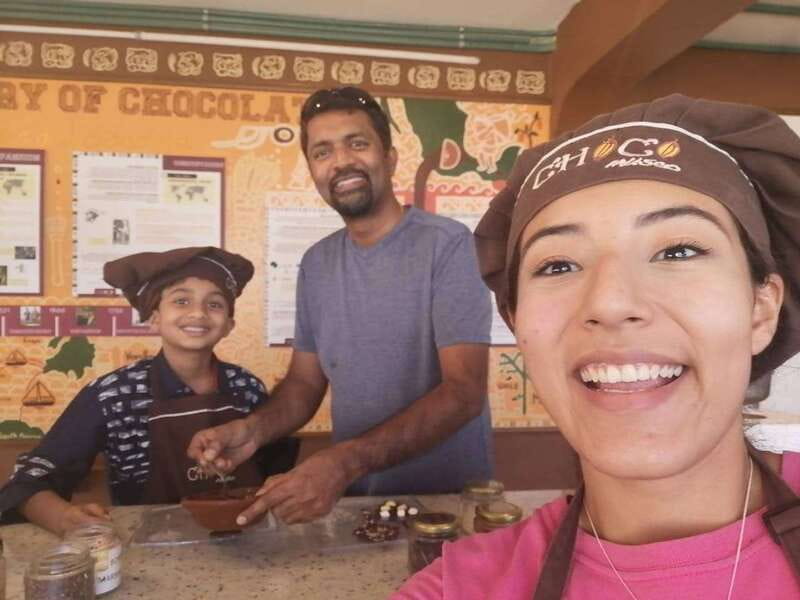
The workshop begins inside ChocoMuseo Puerto Vallarta, where your guide introduces the story of cacao and chocolate. This is more than a quick explanation of ingredients. You learn how cacao beans change as they move through roasting, grinding, mixing, and molding.
The museum portion gives the practical work a useful setting. Instead of treating chocolate as a finished candy, you see the long chain of steps behind it. That matters because the later activities make more sense when you understand why the beans are roasted, how they are ground, and how different ingredients change the final result.
Your instructor speaks English, and the experience is designed for a small group. With a stated limit of eight participants, you should have a better chance to hear the guide, ask questions, and get help during the messier parts of the class. One individual account described a group of 10, so I would confirm the group size when booking if that point matters to you.
The teaching style appears to be a major part of the appeal. Rodrigo is described as interactive and enthusiastic, while Zoar kept a mixed-age group entertained. Martin brought plenty of humor to the explanation of cacao’s development. That combination is useful here. A chocolate lesson can become dry if it turns into a list of dates and names, but a lively guide keeps the history connected to what you are doing with your hands.
More Puerto Vallarta trips worth a second look
- Finca 18 Puerto Vallarta Tequila Tour + Chocolate Pairing
★ 5.0 · 393 reviews - Bean to Bar Chocolate Workshop in Puerto Vallarta
★ 5.0 · 381 reviews - Tour to Uxmal Kabah and Chocolate Museum from Mérida
★ 4.5 · 102 reviews
Roasting and grinding the cacao beans
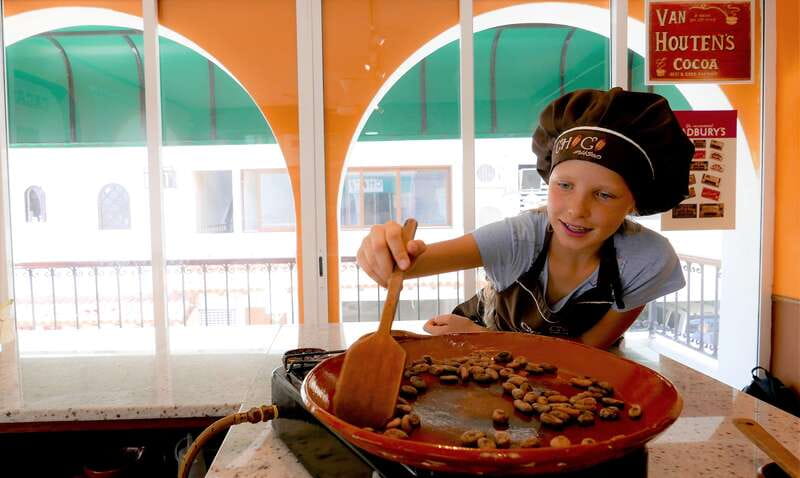
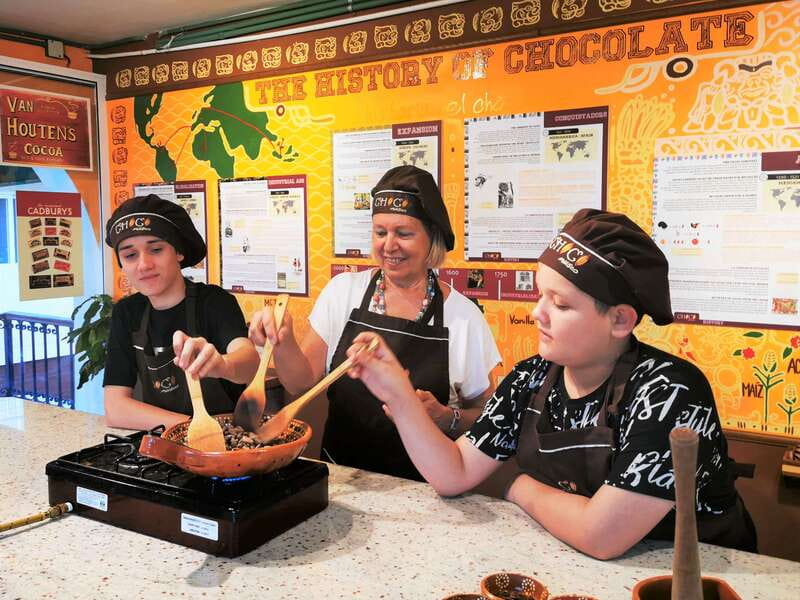
The most rewarding part of the workshop is the chance to handle cacao before it becomes a sweet. You roast the beans and then grind them, experiencing the basic work that sits behind chocolate production.
This step gives you a better sense of how much processing goes into a product that usually arrives in a neat wrapper. It also gives the class a clear rhythm: first learn what cacao is, then work with it, then taste the results. You are not simply told about the bean-to-bar process. You take part in a small version of it.
The work is hands-on but does not require previous cooking experience. You should wear comfortable clothes and shoes, since the class includes active preparation and chocolate can be untidy. An apron and hat are provided for the duration of the workshop, which helps keep the activity practical and adds a playful touch for families and groups.
The roasting and grinding section may be especially useful for older children and teenagers. It gives them something concrete to do while the guide explains the cultural background. Younger children can also enjoy it, but they need to be old enough to follow directions safely and stay engaged through the instructional parts.
Preparing three traditional chocolate drinks
You also prepare three traditional chocolate drinks. This is one of the workshop’s strongest features because it connects cacao with everyday food traditions rather than limiting the experience to candy.
The drinks offer different ways to understand chocolate. Some may be smooth and familiar, while others may have ingredients or textures that are less common to many visitors. One drink made with masa was described as delicious but unusual in texture. I would approach this tasting with curiosity rather than expecting three versions of hot cocoa.
Chocolate tea received specific praise, and the drinks are prepared as part of the workshop rather than sold as an extra. You get to make and taste them while learning what role cacao has played in Mexico. This adds variety to the class and keeps the two-hour format from becoming a single long candy-making session.
The included drinks are part of the activity, but the general price does not cover unrelated food or drinks. If you want something beyond the three workshop preparations, plan to pay separately. That distinction is easy to miss when comparing food experiences, so it is worth keeping in mind.
Molding your own chocolate creations
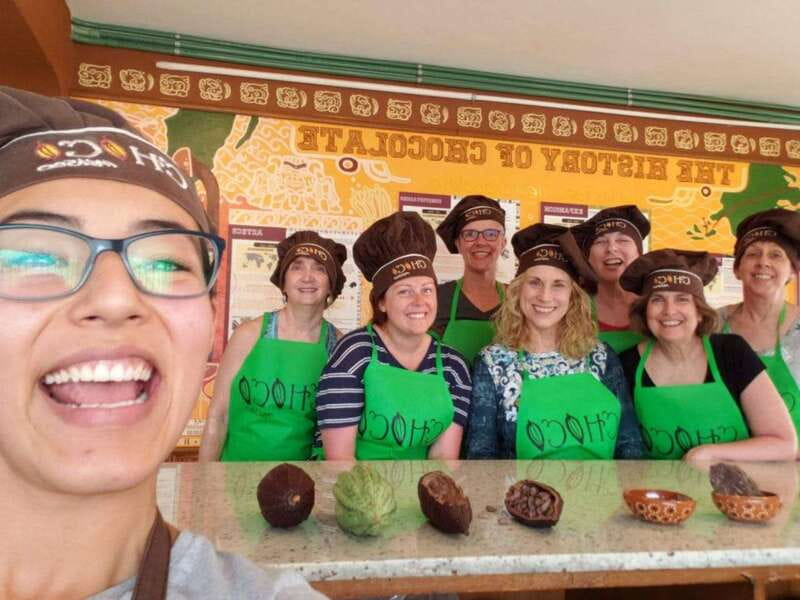
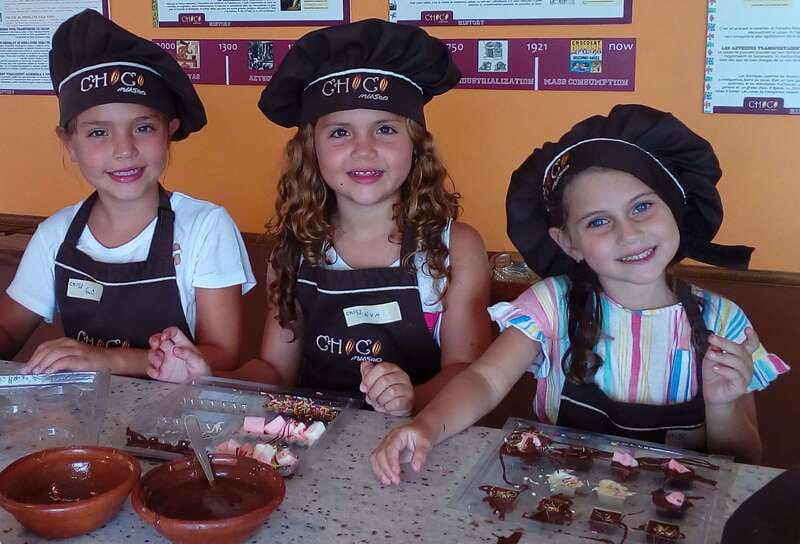
After working with cacao and tasting the drinks, you make chocolate to take home. You can choose dark or milk chocolate and select from a range of additional ingredients and toppings.
This is where the workshop becomes personal. You are not handed the same souvenir as everyone else. You decide what goes into your molds, creating a batch that reflects your own taste. Options mentioned in the experience include a wide selection of add-ins, so you can keep the chocolate simple or add more texture and flavor.
The amount you take home is described as generous, not just a single sample. That improves the value of the class, especially if you are choosing between this and a standard museum visit. You leave with something you made, not just a paper explanation or a small packaged item.
Give the chocolate time to set as directed, and handle your finished pieces carefully. The exact packing or storage details are not specified, so you may want to ask the staff how best to carry them in Puerto Vallarta’s warm weather. If you plan to keep them for the flight home, this is a sensible question before leaving.
A different kind of day out, same stretch of Mexico:
- Puerto Vallarta Best Zipline Canopy + Tequila and Speed Boat Ride
★ 5.0 · 3,786 reviews - Winner 2025 Downtown Vallarta Food Tour with Vallarta Food Tours
★ 5.0 · 3,738 reviews - Extreme Adventure, Wildest Bridge, ATV & Ziplines
★ 5.0 · 3,179 reviews - Mega Yacht ALL INCLUSIVE Yelapa Waterfall & Snorkeling Adventure
★ 5.0 · 2,515 reviews
Why the cultural context matters
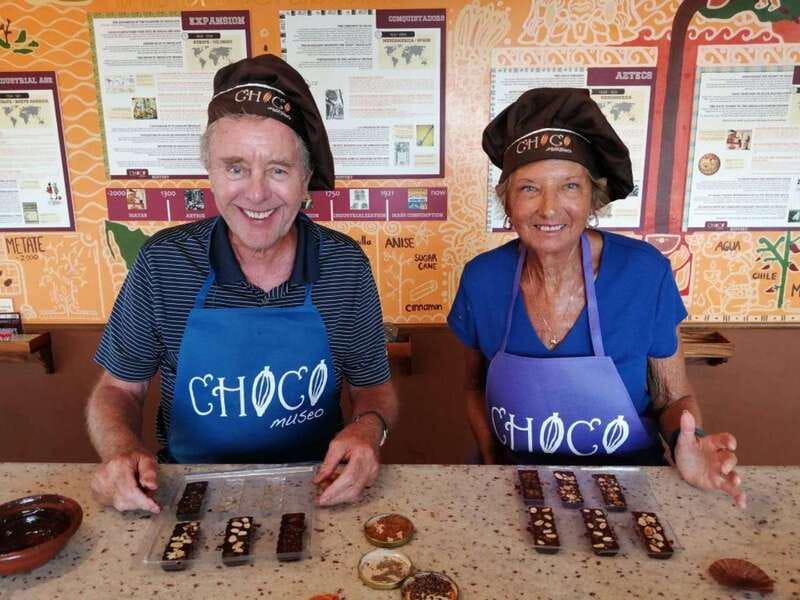
The history lesson is not filler before the fun begins. It explains why cacao has such an important place in Mexico and why traditional drinks can taste different from the chocolate products familiar to you at home.
The experience covers the evolution of cacao and its connection with ancient civilizations. You get a better understanding of how the bean changed from a raw agricultural product into drinks and sweets. That background also makes the tasting more interesting, since you can compare the drinks as part of a food tradition rather than judging them only against modern hot chocolate.
I especially like that the workshop combines the museum visit with physical work. A museum can give you facts, while a cooking class gives you a task. Here, each part supports the next: the museum supplies context, the beans supply the raw material, the drinks show another use for cacao, and the molded chocolates give you a final product.
Do not expect a full meal or a long specialist seminar. The session is a compact introduction for curious visitors, families, and chocolate fans. If you already have advanced training in chocolate production, the class may feel basic. For most people, that is the point: you get a clear, accessible look at the process without committing half a day to a technical course.
Guides, group size, and the feel of the class
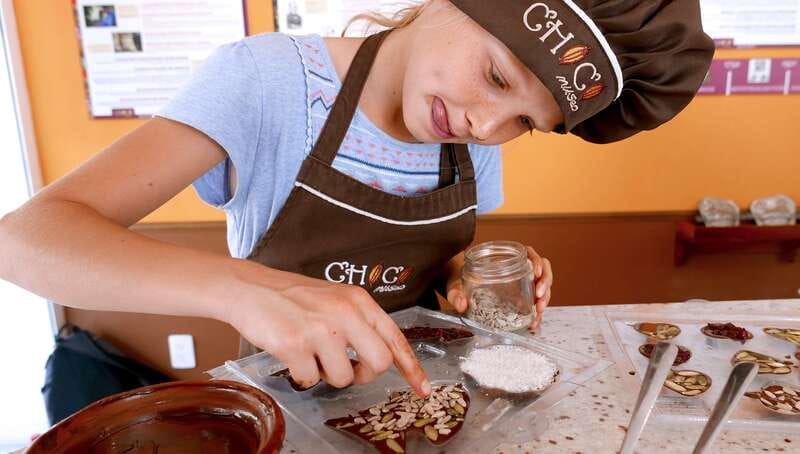
The guide can make or break a short workshop, and the named instructors receive strong praise for their energy and interaction. Rodrigo is repeatedly described as fun, engaging, and enthusiastic. Zoar handled a wide age range well, and Martin combined humor with useful information.
A guide who calls people by name can make a small class feel more welcoming, especially if you arrive alone. One account specifically appreciated that personal touch. It also helps during the chocolate-making portion, when you may need quick advice about ingredients, molds, or the next step.
The advertised group size is limited to eight participants. That is a good fit for this kind of activity because crowded worktables can turn a hands-on class into a spectator event. One account referred to a group of 10, so group sizes may vary or may have been described differently. Ask at booking if a strict eight-person limit is important to you.
The reported rating is 4.9 from 41 reviews, with repeated praise for the guides, the clear explanations, the drinks, and the chocolate people make and keep. Those are also the elements I would use to judge the experience. It is not only the museum tour that carries the activity. The value rests on having an engaging instructor and enough time to participate.
Who will get the most from this experience
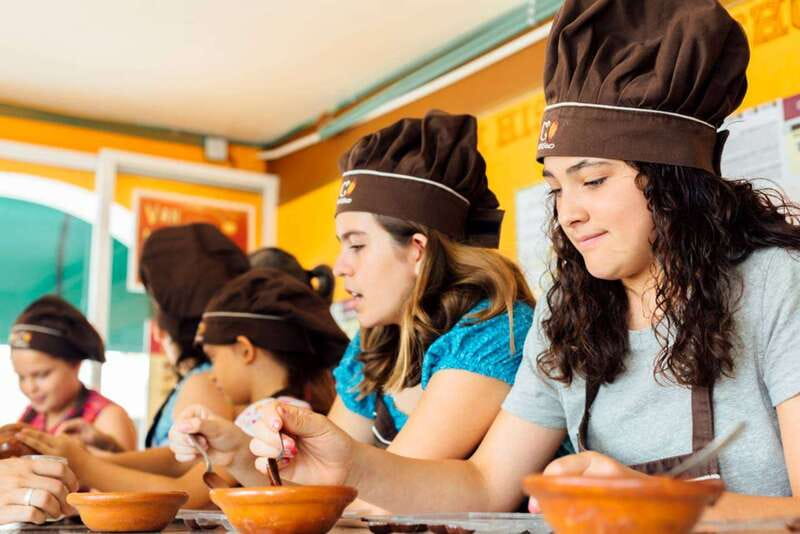
This workshop suits families with children who can follow directions, couples looking for a short food activity, and adults who want a cultural break from beach time. A group ranging from age 10 to 73 took part successfully, which gives you a useful picture of its broad appeal.
It is also a good option if your group has mixed interests. The history appeals to people who want context, the drinks suit food-focused visitors, and the molding activity gives hands-on participants something to enjoy. You do not need to be a serious chocolate fan to find a part of the class that works for you.
Vegans, vegetarians, and people following gluten-free or lactose-free diets can be accommodated. Still, you should identify your dietary needs when arranging the activity so the staff can prepare appropriately. The information confirms that these options are possible, but it does not specify the exact ingredient substitutions.
This is not the best choice for someone with limited mobility who uses a wheelchair, since the activity is not suitable for wheelchair users. Comfortable clothing and shoes are recommended for everyone. The class involves active participation, so formal clothes or uncomfortable footwear would be a poor match.
Is $62 a fair price?
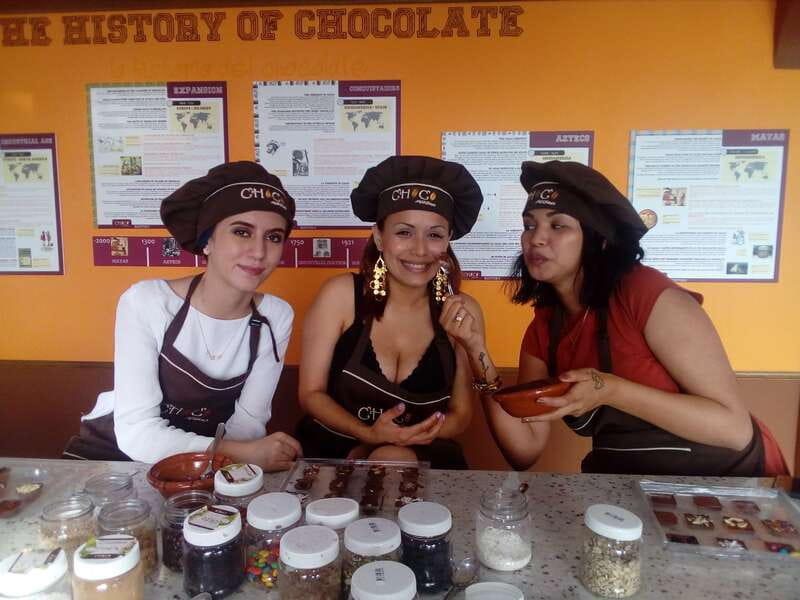
At $62 per person, the workshop is priced above a simple museum entry or a basic tasting, but you receive more than a guided explanation. The fee covers the museum guide, a cacao and chocolate expert, ingredients and materials, toppings, an apron and hat, three traditional drinks, and the chocolate you make.
The take-home portion is important when judging the price. You are paying for instruction, tastings, a cultural presentation, and a personal souvenir in one two-hour session. That makes the cost easier to justify for someone who values activities over shopping for gifts.
The price is less attractive if you mainly want to eat chocolate or browse a shop. You will spend part of the time listening, roasting, grinding, and preparing drinks. That is the appeal for hands-on learners, but it may feel like too much structure for someone who wants a quick tasting.
Transportation is not included, and food or drinks beyond the three prepared in the class are also not included. You need to reach the meeting point yourself and arrive on time. Since the duration is only two hours, the workshop can fit neatly into a day in Puerto Vallarta, but the travel time to and from the meeting point needs to be part of your schedule.
Free cancellation is available up to 24 hours before the activity for a full refund. You can also reserve now and pay later, which helps if you are building a flexible itinerary.
Practical advice before you book
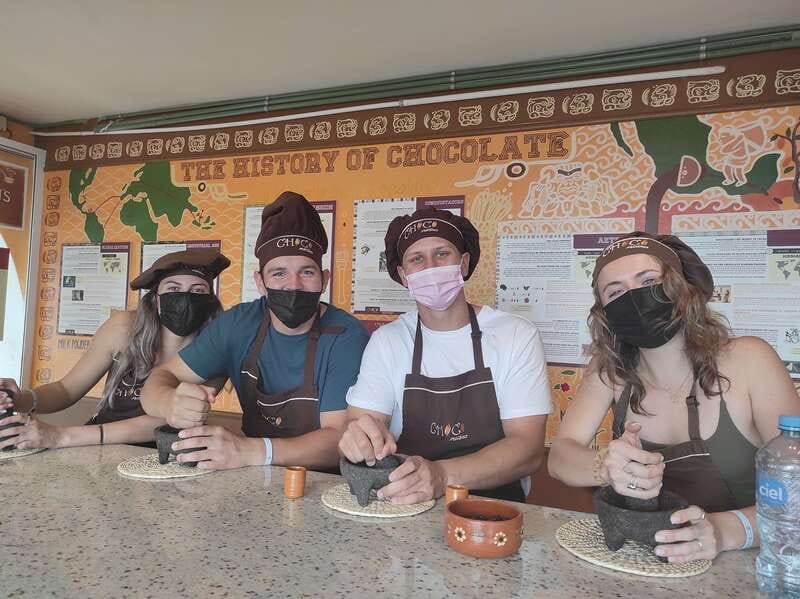
Wear clothes you do not mind getting a little messy, even with an apron provided. Comfortable shoes are specifically recommended, and you should arrive on time at the meeting point because the class moves through several stages.
Tell the provider about dietary needs such as vegan, vegetarian, gluten-free, or lactose-free requirements. The workshop can accommodate these diets, but advance notice is the sensible way to make sure the ingredients work for you.
Keep expectations realistic about the drinks. Chocolate tea may be an easy favorite, while the masa-based drink can have a texture that feels unfamiliar. Try each one as a traditional preparation rather than expecting every drink to taste like a modern café beverage.
Think about how you will carry your chocolate afterward. The class gives you treats to take home, but no specific transport or storage method is provided in the details. Ask the staff for practical advice, particularly if you are heading back into the heat or continuing on to another activity.
Should you book the ChocoMuseo workshop?
I would book this if you want a short, social activity that combines Mexican food culture with real participation. The strongest reasons are the bean roasting and grinding, the three traditional drinks, and the generous supply of chocolate you make yourself. The guides also appear to bring the right mix of humor and instruction.
I would skip it if you want a quiet museum visit, a full meal, or a highly technical chocolate course. It is also not appropriate for wheelchair users, and you must arrange your own transportation.
For families, first-time visitors, and anyone who likes to understand how food is made, $62 is a reasonable price for a two-hour session with materials, tastings, expert instruction, and a take-home result. If that sounds like your kind of souvenir, this is a smart Puerto Vallarta booking.
FAQ
How long does the Puerto Vallarta chocolate workshop last?
The workshop lasts two hours.
What language is the workshop conducted in?
The instructor and tour information are in English.
How many people are in the group?
The stated group limit is eight participants. One individual account described a group of 10, so you can confirm the expected size when booking if this is important to you.
What activities are included?
You tour a chocolate museum, learn about cacao and chocolate, roast and grind cocoa beans, prepare three traditional chocolate drinks, and make chocolate to take home.
Can I take the chocolate I make home?
Yes. The chocolate you make during the workshop is included and can be taken with you.
Are ingredients and toppings provided?
Yes. Ingredients, materials, and toppings for making your own chocolates are included.
Can the workshop accommodate special diets?
The activity can be adapted for vegan, vegetarian, gluten-free, and lactose-free diets.
Is transportation included?
No. Transportation is not included, and you need to arrive on time at the meeting point.
Is the workshop wheelchair accessible?
No. The activity is not suitable for wheelchair users.
What should I wear?
Wear comfortable clothes and comfortable shoes. An apron and hat are provided for the workshop.
More Workshops in Puerto Vallarta
- Puerto Vallarta Cooking Class Experience with Market Tour
★ 5.0 · 698 reviews - Private Surf Lesson Experience at Puerto Vallarta
★ 5.0 · 115 reviews - Vallarta surf lesson with Pickup Included
★ 5.0 · 77 reviews - Cabo San Lucas Mexican Cooking Class Experience and Local Markets
★ 5.0 · 915 reviews
Recently reviewed around Puerto Vallarta
- Jungle Single ATV Tour “El Mirador”★ 5.0 · 59 reviews
- Bucerias Bike and Food Tour★ 5.0 · 173 reviews
- Sayulita/Punta Mita: Zip Lines with Ocean View★ 4.8 · 34 reviews
- Sayulita: Horseback Riding Tour★ 5.0 · 37 reviews
- Sayulita: Canopy Tours & Zip-line Adventure★ 4.8 · 89 reviews
- Sayulita: ATV Adventure Tour★ 5.0 · 44 reviews
- Puerto Vallarta: Mega Yacht Whale Watching Sunset Cruise★ 4.7 · 94 reviews
- Puerto Vallarta: Yelapa Mega Yacht Cruise★ 4.7 · 180 reviews
Drinking Tours, compared.
Los Cabos Luxury Sunset Sail with Light Appetizers and Open Bar
Read our review →
Cabo San Lucas Sunset Cruise with Open Bar and Snacks
Read our review →
Isla Mujeres Catamaran Tour with Snorkel, Open bar and Transport
Read our review →
Xochimilco Barco Fiesta Tentacion 18+ with Open Bar and Tacos
Read our review →
Bacalar Lagoon Sightseeing Boat Tour with Open Bar and Snacks
Read our review →
Lucha Libre Tickets & Tacos & Beer & Mezcal – BEST NIGHT EVER!
Read our review →
Half Day Cabo Snorkel Adventure with Lunch and Open Bar
Read our review →
Cancun Taco Tour, Local Beer and Night Market with Transportation
Read our review →Browse the lists this tour appears in