
Reviewed · WHALE WATCHING
Dolphin & Whale Watching with Marine Biologists
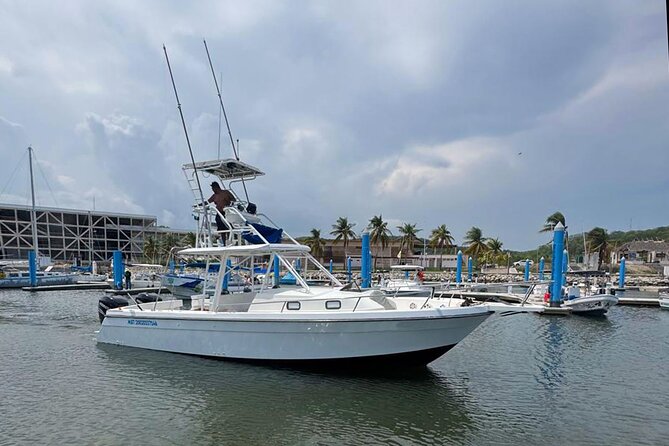
Huatulco’s best wildlife show may happen below the surface. On this small-boat trip, you search for humpback whales, dolphins, sea turtles, rays and other marine life with a marine biologist on board. The hydrophone adds a special touch: you can listen to whales sing and dolphins communicate instead of simply watching them pass.
I like the small group of no more than 14 people, which gives you room to move around and a better chance of seeing past someone’s shoulder. I also like the science-based approach, with guides such as Scarlett, Peter and Tony explaining animal behavior, conservation and current research. The main catch is simple: wildlife is wild. Humpback sightings are strong from December through March, but no tour can promise a whale.
In This Review
- Key points to know before you book
- A marine safari from Chahué Marina
- What you might see in Huatulco National Park
- The hydrophone makes the trip more than sightseeing
- A small boat with room to watch
- Why the MX$75 extra matters
- A thoughtful approach to wildlife
- Who will get the most from this tour
- What to bring for the 8:00 am departure
- Should you book Oceanico?
- FAQ
- Where does the dolphin and whale watching tour start?
- What time does the tour begin?
- How long does the activity last?
- Where does the tour end?
- How many people can join the boat?
- Are whales guaranteed?
- What animals might I see besides whales?
- Is a hydrophone included?
- What extra fees must I pay?
- Are children allowed to participate?
Key points to know before you book
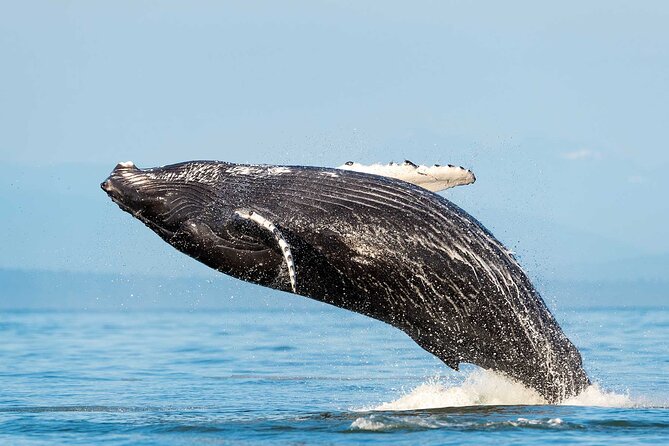
- Whales are most likely from December through March: Humpbacks appear on about 90 percent of tours during this season, though sightings are never guaranteed.
- The hydrophone turns watching into listening: You may hear whale songs and dolphin echolocation beneath the boat.
- A small boat keeps the group personal: The maximum is 14 people, with more space to look for wildlife and ask questions.
- Huatulco offers more than whales: Past outings have included spotted and bottlenose dolphins, Olive Ridley and green turtles, mobula rays, manta rays, sea snakes and sailfish.
- Bring sun protection and extra water: Bottled water is included, but the boat can feel hot, and one account noted limited shade.
- Budget MX$75 in cash: The National Park fee is MX$65, and the Chahué Marina fee is MX$10 per person.
A marine safari from Chahué Marina
The tour starts at Oceanico Huatulco in Marina Chahue at 8:00 am. That early departure is useful. Morning light is pleasant on the water, and you return with much of the day left for Huatulco beaches, lunch or a quiet afternoon.
Your crew begins with a short briefing as the boat leaves the marina. This is more than a safety talk. You learn about the whales, dolphins and sea turtles found around Huatulco, along with the basic rules for observing them without pushing too close.
The boat then heads out toward Huatulco National Park and nearby waters. The crew uses its local network of spotters and knowledge of favored wildlife areas to decide where to search. That matters because marine animals do not gather at one fixed viewing platform. The route must change with sea conditions, reports and what the crew sees.
The advertised outing lasts about two and a half hours. Some descriptions of the early tour call it a two-hour trip, so allow roughly two to two and a half hours rather than planning a tight connection afterward. You finish back at Chahué Marina, followed by a short debriefing.
More whale watching out of Huatulco:
- Luxury Catamaran Whale Watching Cabo San Lucas
★ 5.0 · 2,107 reviews - Whale Watching Cabo-Women crew-Sightings Guaranteed & Free Photos
★ 5.0 · 1,743 reviews - Whale Watching, The Famous Arch and Fast Boat Tour in Los Cabos
★ 5.0 · 693 reviews
What you might see in Huatulco National Park
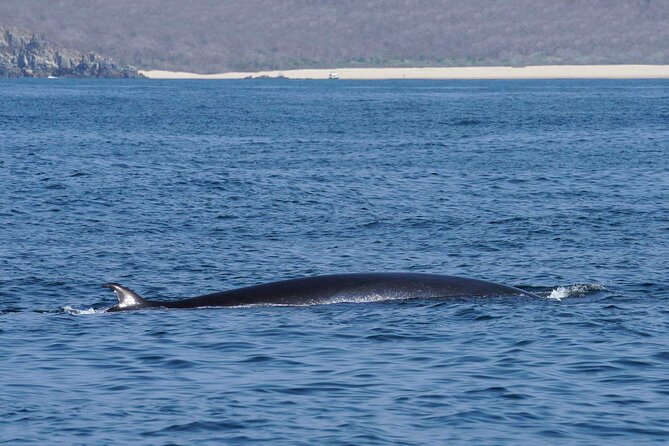
Humpback whales are the main attraction, especially between December and March. The reported seasonal success rate is about 90 percent, a strong reason to plan this trip during those months if whales are your top goal.
You could see a mother and calf traveling together, sometimes with another adult nearby. One outing followed two adults with a calf for around half an hour. Another watched a mother and baby, while another saw three humpbacks. These encounters give you time to watch natural behavior rather than simply check a whale off your list.
Still, a 90 percent seasonal rate means some departures will not produce a whale. One trip found two dolphin pods, several turtle species, sea snakes and a leaping sailfish but no whales. That was still a full wildlife outing, but you should book this as a search for ocean life, not as a guaranteed whale performance.
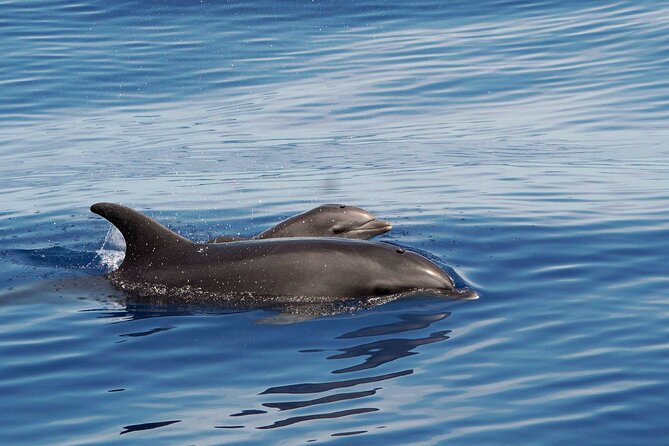
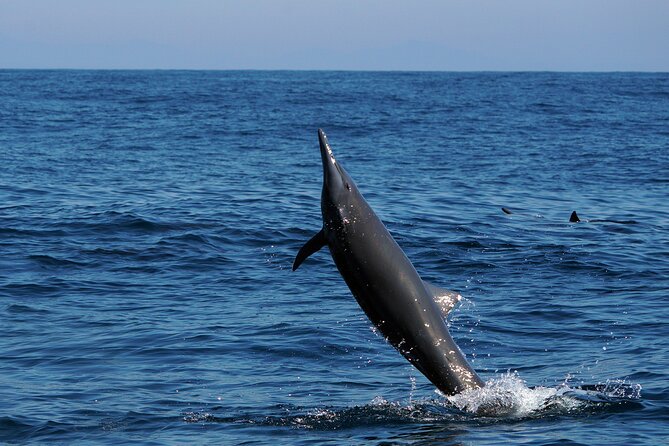
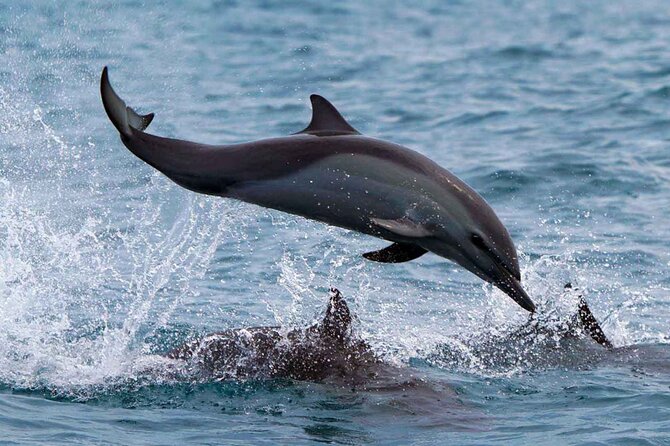
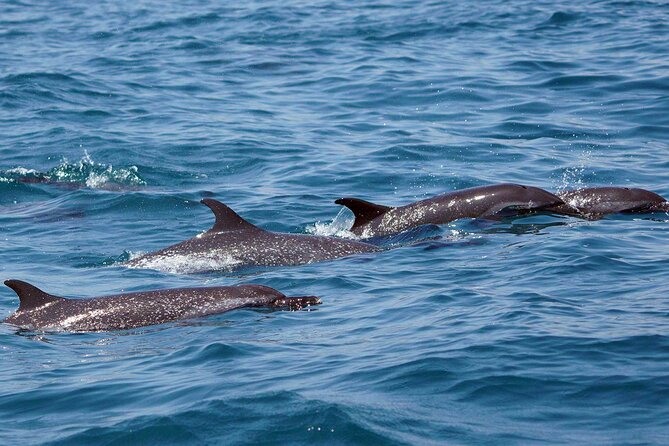
Dolphins can be even more active. Sightings have included spotted dolphins, bottlenose dolphins and a pod estimated at about 300 animals. A large pod racing alongside the boat can be the day’s biggest moment, especially when you hear the animals echolocate through the hydrophone.
Sea turtles are another major strength. Olive Ridley turtles are common in the wider region, and Huatulco’s connection to Playa Escobilla, a major Olive Ridley nesting area down the coast, helps explain why turtles can appear so often. Past outings have also seen green turtles, with one trip counting at least 15 turtles.
The list does not stop there. You might spot mobula rays leaping from the water, manta rays, yellow-bellied sea snakes or a sailfish. One particularly unusual outing included five orcas along with humpbacks, turtles, rays and a sea snake. Orcas should be treated as a rare surprise, not a normal part of the route.
The hydrophone makes the trip more than sightseeing
Many boat trips rely on sharp eyes and luck. Oceanico adds an underwater microphone, or hydrophone, so you can hear the sounds of marine life.
Whale song is the obvious highlight. Depending on the animals’ distance and behavior, you may hear calls beneath the boat while watching the surface for a blow or a tail. The crew can also use the hydrophone to pick up dolphin communication and echolocation.
That sound changes the experience. You are not only waiting for a fin or splash. You get a small window into the hidden part of the ocean, and the guide can explain what you are hearing. For children, this may hold their attention better than a long period of scanning empty water. For adults interested in photography or conservation, it adds useful context.
The science is practical rather than classroom formal. Guides answer questions about animal behavior, current research and the species found in the park. If you enjoy asking why whales travel in certain groups or how dolphins locate objects, this is the right setting to speak up.
The crew includes marine biologists, and English is offered. Individual departures have included guides named Scarlett, Peter and Tony, with Tito serving as captain on one outing. Staff can also be conversant in several languages, according to the tour information from past departures, but English is the stated language for this booking.
A small boat with room to watch
The maximum group size is 14. That is one of the strongest practical reasons to choose this outing over a larger wildlife cruise. You should have a better chance to shift positions, ask questions and get a clear look when an animal surfaces.
The tradeoff is boat comfort. This is a small craft, not a large sightseeing vessel with several indoor areas. One account described limited sun protection and warned that the boat can feel hot if you are not dressed for it. There is a canvas roof over the boat, but you should still wear a hat, sunglasses and reef-friendly sunscreen.
Bring extra water even though bottled water is included. Salt air, sun and warm weather can make a short trip feel more demanding than its clock time suggests. Wear clothing that can handle spray, and keep your camera secure when the boat is moving.
Sea conditions can also affect the ride. One outing encountered large swells, though the pilot handled them well. If you get motion sickness, the open-water setting deserves some thought. The tour operator requires good weather, and a departure can be moved or refunded if poor conditions make the trip unsafe.
Lifejackets are available for children from age three through adults weighing up to 130 kilograms. The minimum age is three. People over 130 kilograms are not eligible, so check this restriction before paying.
More Huatulco trips worth a second look
- Watch and Swim with Dolphins in the Wild
★ 4.5 · 668 reviews - Whale and Dolphin Watching with a Biologist in Puerto Vallarta
★ 5.0 · 666 reviews - Puerto Escondido: Boat Tour to see Dolphins and Marine Life
★ 4.6 · 467 reviews - Dolphin & Whale Watching in Puerto Escondido
★ 5.0 · 278 reviews
Why the MX$75 extra matters
The listed price is $59.74 per person. For a two to two and a half hour wildlife trip with a marine biologist, a hydrophone and a 14-person maximum, I consider that a fair price, particularly if you are visiting during whale season.
The price does not include two small cash charges. Huatulco National Park costs MX$65 per person, and the Chahué Marina fee is MX$10 per person. Set aside MX$75 in cash for each participant. These fees are easy to overlook, but they are modest compared with the tour price.
Value depends on what you want. If you need a guaranteed whale photograph, no boat can honestly provide that. If you want a guided look at Huatulco’s wider marine ecosystem, the value improves because the outing can still deliver dolphins, turtles, rays and other species when whales stay out of sight.
The small group is also part of the value. You are paying for more than transport to the open water. You get a crew that searches actively, explains what you see and tries to keep the encounter respectful.
A thoughtful approach to wildlife
The best part of this experience is its tone. The stated goal is to observe animals while respecting their space and the regulations of Huatulco National Park. That is important with whales and dolphins, which can be stressed by boats that crowd them or chase them too aggressively.
The crew says goodbye to the animals before returning to the marina, followed by a short debriefing. That may sound minor, but it gives the trip a clear ending. You have time to ask one last question, discuss what you saw and put the outing into context.
There was one report of a passenger receiving permission to enter the water with a GoPro while dolphins moved too quickly to film. You should not treat swimming with wildlife as a normal feature. The core activity is observation from the boat, and any water entry would depend on crew permission, animal behavior and park rules.
For photographers, the small group and open viewing positions are helpful. You still need patience and a fast camera, since dolphins can vanish in seconds and whales may surface far from the boat. The crew can help you understand behavior, but it cannot arrange a posed wildlife shot.
Who will get the most from this tour
I would choose this trip if you care about animals beyond the main headline. The people who will enjoy it most are:
- Whale watchers visiting between December and March
- Families with children age three and older
- Photographers who prefer a small group
- Visitors who want explanations from marine biologists
- Anyone excited by dolphins, turtles and rays as much as whales
- Repeat visitors who want another chance at different wildlife
It is also a good match for curious children, provided they can handle a small boat and several hours in the sun. The hydrophone gives them something to listen for, and the crew can explain animal sounds in a way that makes the sea feel less like a blank surface.
You may want a different plan if you dislike open-water rides, need full shade or expect a smooth, fixed route. The boat can be hot, swells are possible and wildlife sightings change from day to day.
The tour is offered in English, uses mobile tickets and is near public transportation. Most people can participate, but the age and weight limits apply. Since the activity is non-refundable and cannot normally be changed, check the forecast and your schedule before booking. If poor weather cancels the trip, you are offered another date or a full refund. The same applies if the minimum number of participants is not met.
What to bring for the 8:00 am departure
Keep your packing simple, but do not leave out the basics:
- Hat and sunglasses
- Reef-friendly sunscreen
- Extra drinking water
- Light clothing suited to sun and spray
- Camera with a secure strap or case
- Cash for the MX$65 National Park fee and MX$10 marina fee
Arrive ready to board at Oceanico Huatulco, Sector P, Marina Chahue, Boulevard Benito Juárez. The activity returns to this same meeting point, so you do not need to arrange a separate pickup for the end.
Should you book Oceanico?
I would book this tour if you want a respectful, science-focused look at Huatulco’s marine life and can accept that nature sets the schedule. The combination of a small group, marine biologists, a hydrophone and strong humpback odds in winter gives it more substance than a simple boat ride.
Book between December and March if whales matter most. Outside that period, go for the dolphins, turtles, rays, sea snakes and the chance of an unexpected sighting. Bring sun protection, extra water and cash, then leave room in your expectations for either a quiet search or a remarkable pod of dolphins, a mother and calf, or something far less expected.
FAQ
Where does the dolphin and whale watching tour start?
It starts at Oceanico Huatulco in Sector P of Chahué Marina, Boulevard Benito Juárez, Bahías de Huatulco, Oaxaca.
What time does the tour begin?
The stated start time is 8:00 am.
How long does the activity last?
The tour lasts approximately two hours and 30 minutes. Some descriptions refer to an early two-hour tour, so allow roughly two to two and a half hours.
Where does the tour end?
The activity ends back at the Chahué Marina meeting point.
How many people can join the boat?
The maximum group size is 14 travelers.
Are whales guaranteed?
No. Humpback whales are seen on about 90 percent of tours from December through March, but sightings are not guaranteed.
What animals might I see besides whales?
Possible sightings include dolphins, sea turtles, mobula rays, manta rays, yellow-bellied sea snakes and sailfish. Past outings have included spotted and bottlenose dolphins, Olive Ridley and green turtles, humpbacks and, on one unusual trip, orcas.
Is a hydrophone included?
Yes. The boat carries a hydrophone, an underwater microphone used to listen for whale songs and dolphin communication.
What extra fees must I pay?
You need MX$65 cash per person for the Huatulco National Park entrance fee and MX$10 cash per person for the Chahué Marina fee.
Are children allowed to participate?
Children must be at least three years old. Lifejackets are available for children from age three through adults weighing up to 130 kilograms.
Recently reviewed around Huatulco
- Turtle Release Escobilla Sanctuary and crocs in Ventanilla.★ 4.5 · 45 reviews
- Waterfall Experience★ 5.0 · 70 reviews
- Huatulco Airport: Shared Transfer to/from Huatulco Hotels★ 4.5 · 60 reviews
- Huatulco: Private Transfer Airport – Hotels★ 4.5 · 93 reviews
- 3 Levels of Huatulco the coffee you’ve been looking for★ 5.0 · 43 reviews
- Tour in Huatulco and Playa La Entrega★ 5.0 · 30 reviews
- Traditional Mexican Cooking Class★ 5.0 · 90 reviews
- Private One-Way or Roundtrip Transportation to Huatulco Hotels★ 4.5 · 32 reviews
Whale Watching, compared.
Luxury Catamaran Whale Watching Cabo San Lucas
Read our review →
Whale Watching Cabo-Women crew-Sightings Guaranteed & Free Photos
Read our review →
Whale Watching, The Famous Arch and Fast Boat Tour in Los Cabos
Read our review →
Whale Watching Cruise In Puerto Vallarta & Nuevo Vallarta
Read our review →
Los Cabos Whale Watching (Transportation and Pictures Included)
Read our review →
Browse the lists this tour appears in